Lula and the footwear industry. What could happen?

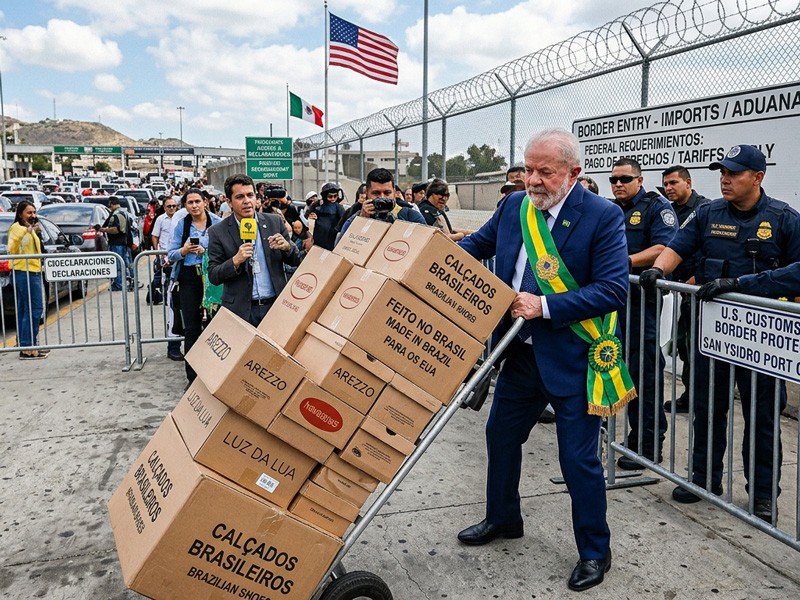
Although no concrete measures have yet been introduced that could radically affect the Brazilian footwear industry, economic policy analysts and experts indicate that President Lula's new administration will focus on three main areas:
The administration promotes subsidized loans (through BNDES) and tax incentives to strengthen domestic manufacturing, reducing financing costs and improving production scale in labor-intensive sectors such as footwear.
The administration maintains a policy of protecting the domestic market against competition from Asian footwear (particularly from China) through import tariffs and requirements for regional value-added standards.
The administration encourages trade agreements and the diversification of international markets, promoting the "Made in Brazil" brand in Latin America, the United States and new emerging markets to sustain the sector's exports.
The Brazilian Footwear Industries Association -ABICALÇADOS- maintains a pragmatic but demanding approach to cooperation with Lula da Silva's government. While it supports industrial development and export promotion policies, it continuously pressures the Executive Branch to adopt protective measures and provide tax relief.
Its main demands and positions regarding the government include:
Greater protection against imports.
Safeguards and countervailing mechanisms.
Reduced tax burdens and reforms to the regulatory framework.
Coordination of trade diplomacy efforts to open new international markets.
In summary, ABICALÇADOS acts as a demanding ally: it supports government initiatives that promote the "Made in Brazil" brand but continuously calls for a stronger "protectionist shield" at the borders and better conditions for domestic competitiveness.
This is the main concern of Brazilian manufacturers, particularly considering that the United States is the leading destination for the country's footwear exports.
The controversy surrounding the tariffs imposed by Trump escalated amid growing trade and political tensions between the two governments.
Since late July, the US administration has formalized the application of a 25% tariff on Brazilian footwear, subsequently adding another 12.5%, bringing the total to 37.5%, with threats of further increases.
As a result, ABICALÇADOS lowered its export forecasts, anticipating a decline of more than 7% during 2026 due to the higher cost of its products in the US market.
Against a backdrop of ongoing tensions and legal disputes over the US Executive Branch's authority to impose emergency tariffs, Brazilian authorities and industry associations continue to press through diplomatic channels and multilateral institutions to obtain an exemption from or reduction in the tariff.
RELATED ARTICLE:
- Footwear manufacturers challenge online purchase tax exemption