INFORMACIÓN DE MODA, TECNOLOGÍA Y MERCADOS PARA LA INDUSTRIA DEL CALZADO
NEWS | REPORTS | Argentina
Argentina | 16/04/2026

VIAMO on the brink of bankruptcy. Will Argentina’s footwear industry disappear?

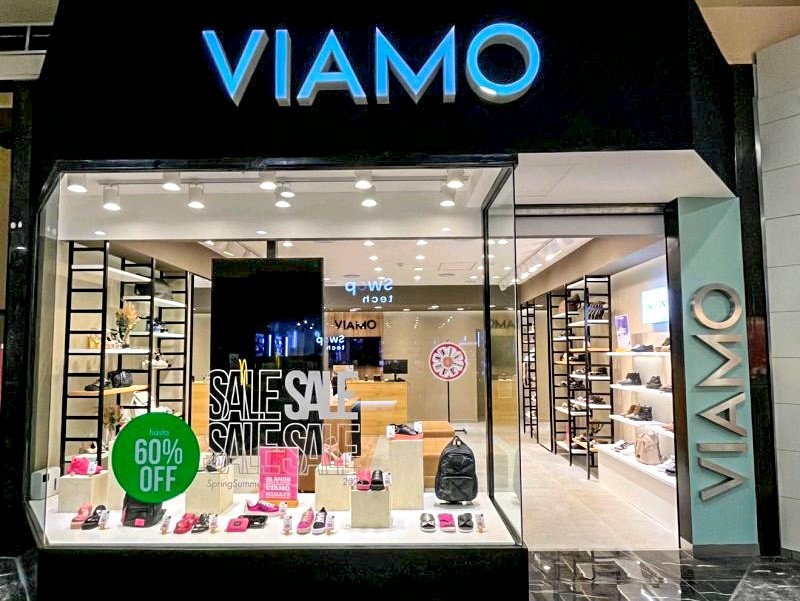
Critical situations across many factories are causing not only economic setbacks, but also the dismantling of an industrial tradition.

According to various national media outlets, the situation of the well-known footwear brand and manufacturer VIAMO (under the corporate name Lannot S.A.) has reached a critical point.

The long-established family company, founded in 1988 by the Chiodini brothers, has just formally filed for preventive bankruptcy proceedings before the Commercial Court in an attempt to avoid definitive bankruptcy.

Below is a summary of the company’s current situation:

Financial position

  • Major debt: As of January 31, 2026, the company’s liabilities amounted to approximately $ 4.24 billion.
  • Payment Chain: The company is carrying around bounced checks (worth more than $ 85 million), reflecting an almost total financial suffocation.
  • Legal deadline: Commercial Court No. 4 has classified the case as a “A-category proceeding” due to its scale. The company has until May 17, 2027 to submit a settlement proposal to its creditors.

Operational and labor impact

  • Reduced structure: From operating more than 25 stores in key locations (such as Unicenter), the network has shrunk drastically.
  • Layoffs: In 2023, the company had more than 300 employees; today, the workforce has been reduced to fewer than 80 workers. At its Villa Lugano plant, the number of operators fell from 80 to fewer than 40.
  • Industrial paralysis: Its own factory is practically idle. The machinery remains unused, and activity is now sustained mostly through the sale of imported products in an attempt to preserve cash flow.

Causes of the crisis

According to court filings and statements from sector specialists, the downturn is the result of a combination of factors:

  • Falling consumption: Sales in 2025 are estimated to have dropped by 50%, leaving the company with excess inventory that has been difficult to sell.
  • Import liberalization: Competition from imported footwear ended up displacing its domestic production.
  • Debt burden: A loan of more than $80 million, which the company stopped paying at the end of 2025, triggered the financial disarray.

This case adds to many similar situations in the footwear sector, revealing a scenario of forced restructuring that factories are unable to withstand under the country’s current economic conditions, which are severely affecting consumption.

RELATED ARTICLE:
- JOHN FOOS stops manufacturing in Argentina


Do you have information to share?

Participate with your content in SERMA.NET and in our printed edition.
It is the opportunity to reach your customers!