INFORMACIÓN DE MODA, TECNOLOGÍA Y MERCADOS PARA LA INDUSTRIA DEL CALZADO
NEWS | REPORTS | Argentina
Argentina | 04/05/2026

Argentina’s footwear industry: How to survive the crisis

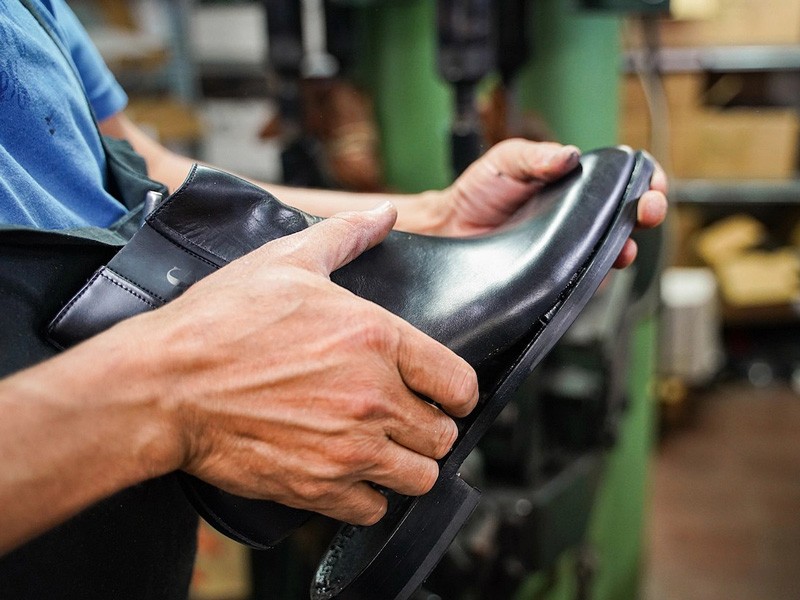
Diagnosis and recommendations to assess survival alternatives.


The current political and economic conditions have had a significant impact on the activity of the domestic industry.

The situation of Argentina’s footwear industry in May 2026 remains critical, marked by an accelerated process of deindustrialization. The sector is facing a “historic collapse” due to the combination of a decline in domestic consumption of more than 30% over the past two years and a 100% increase in imports of finished products.

Summary of the current situation (May 2026)

  • Factory closures and layoffs: More than 100 factories are estimated to have closed, and approximately 10,000 jobs have been lost in the sector.
  • Idle capacity: Manufacturing industry as a whole is operating at historically low activity levels. Specifically, the textile and apparel sector, which is related to footwear, is recording installed capacity utilization of just 23.7%, levels not seen since the 2002 crisis.
  • Unfair competition: In addition to legal imports, the sector reports a 400% increase in imports through online platforms, along with an expansion of smuggling and the sale of counterfeit footwear through social networks (Instagram), without effective controls, which are continually denounced by the sector’s representative entities.
  • Stagnation outlook: Industrial leaders, such as the Argentine Federation of the Footwear Industry and its affiliated chambers, do not foresee a recovery for the remainder of 2026, but rather stagnation at minimum activity levels.

Recommendations for survival

Given the depth of the crisis and the context of economic liberalization, the strategies reported by companies that are still holding on are focused on adaptability and conversion:

1 - Business model conversion

  • Hybridization (production + imports): Unable to compete on costs with Asia, some traditional plants are abandoning total manufacturing in order to become importers of finished products, keeping in the country only the essential administrative and logistics structure.
  • Specialization in niches: Focusing on segments where proximity and local design provide value that mass-produced Asian footwear does not offer, such as high-end leather footwear or niche footwear with designer appeal.

2 - Operational efficiency and productivity

  • Structural adjustment: Adapting factories to a model of “higher productivity” with lower prices in order to compete on store shelves against imported products that act as a price anchor.
  • Associativity: Promoting alliances among small factories to share logistics, marketing or raw material purchasing costs, thus gaining scale in the face of the crisis.

3 - Sales strategies and digital channels

  • Own omnichannel strategy: In response to the closure of physical stores, strengthening direct-to-consumer (D2C) sales through proprietary e-commerce in order to capture the margin that previously remained with the retailer.
  • Fighting informality: Actively demanding greater oversight from the authorities over illegal trade on social media, which today cannibalizes the sales of formal brands.

4 - Financial management in a political crisis

  • Liquidity over profitability: In a context of social and economic crisis, prioritizing cash flow in order to sustain the minimum structure and avoid debt at high interest rates.
  • Monitoring purchasing power: Adapting product lines to the reality of Argentine consumers’ spending power, exploring alternative materials that allow lower prices without sacrificing the brand.

Sources: Various media outlets in Argentina.


​RELATED ARTICLE:
- JOHN FOOS stops manufacturing in Argentina


Do you have information to share?

Participate with your content in SERMA.NET and in our printed edition.
It is the opportunity to reach your customers!