How to Specify Synthetic Materials for Footwear: Flexing, Hydrolysis, Abrasion and Application

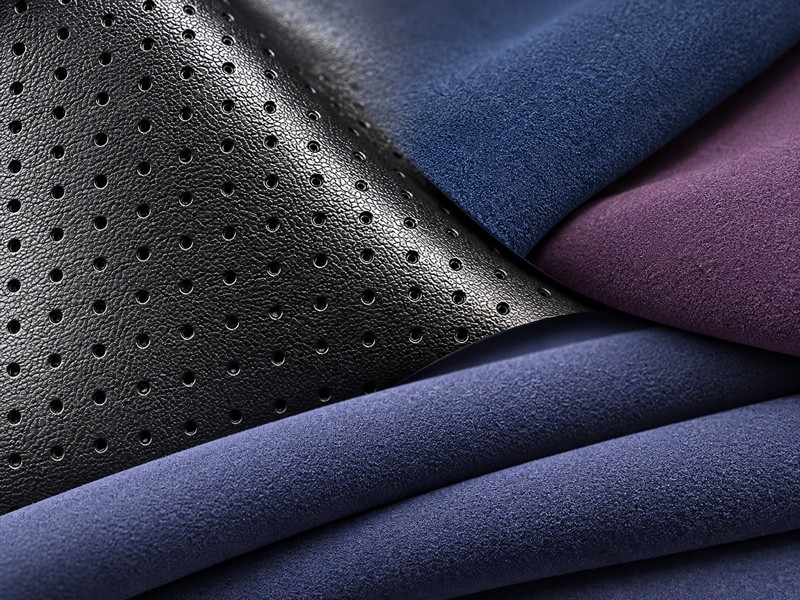

Footwear materials are often judged first by what can be seen and touched: colour, grain, gloss, thickness, softness and hand feel. These characteristics matter, but they are only the beginning of a material specification. Two synthetic upper materials can look almost identical on a sample card and still behave very differently after cutting, stitching, lasting, repeated flexing, abrasion, humid storage and long-term wear. The practical sourcing question is therefore not “Which material looks best?” It is “Which construction is appropriate for this footwear application, manufacturing process, target market and expected service life?”
A common sourcing mistake is to choose an attractive material first and only later decide where it will be used. The process should normally work in the opposite direction. Before comparing PU synthetic leather, microfiber, mesh or textile constructions, define the footwear application and the position of the material on the shoe.
A useful development brief answers basic questions: What type of footwear is being developed? Where will the material sit? Which zones will flex? How much abrasion or rubbing is expected? Is breathability important? Will the material be stitched, bonded, laminated, embossed or printed? Which climate and market will the footwear enter? What production volume and timeline are realistic?
A school shoe, sneaker, casual shoe, children’s shoe and safety shoe can all use synthetic upper materials, but they should not automatically use the same construction. End use should drive the specification.
The upper of a shoe is not a static surface. During walking, parts of the upper repeatedly bend, compress and recover. Repeated flexing can expose weaknesses that are invisible when a material is viewed flat, including coating cracks, whitening, delamination, backing failure, permanent creasing and other changes in appearance.
ISO 17694 specifies a method for determining flex resistance of footwear uppers and linings to assess suitability for end use. The standard is useful precisely because flexing should be evaluated as a footwear property, not as a decorative material claim.
Buyers should be cautious about comparing materials by one quoted cycle number. The test method, specimen conditioning, temperature, dry or wet state, inspection criteria and type of failure all matter. A material used in a highly flexed vamp can require a different performance profile from a decorative overlay with limited movement.
The practical question is: how does the material behave under flexing conditions relevant to the intended shoe, and what happens when it begins to fail?
Polyurethane materials are widely used in footwear because they can offer attractive surface design, flexibility and broad cost-performance options. But PU systems also need to be considered in relation to moisture, heat and time.
Hydrolysis is relevant not only during consumer wear. Materials can experience factory storage, ocean or land transport, importer warehousing, distributor storage, retail inventory and seasonal delays before the shoe is ever worn. Warm and humid conditions can accelerate deterioration in susceptible PU systems.
SATRA TM344 describes accelerated hydrolysis of polyurethane-based footwear materials in a warm, humid environment before mechanical testing. For PU upper materials, typical follow-up tests can include flex cracking, coating adhesion and colour fastness to rubbing. This illustrates an important sourcing principle: the useful question is often not simply whether a material survives ageing, but how its key properties change after ageing.
For Latin America, climatic diversity makes this especially relevant. A material intended for a warm, humid market should be evaluated against the real distribution and storage conditions of that project rather than assumed to perform identically everywhere.
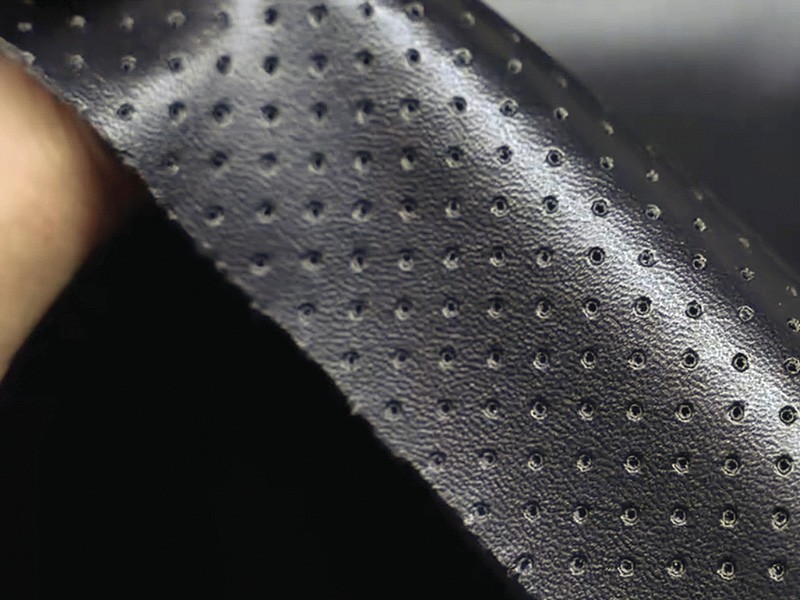
A shoe can remain structurally usable and still generate a complaint because the upper loses its appearance too quickly. Finish wear, scratching, colour transfer, coating damage and local loss of texture all affect perceived quality.
ISO 17704 addresses wet and dry abrasion resistance for footwear uppers, linings and insocks in order to assess suitability for end use. The key phrase is again “end use”: the required level should reflect the material position and footwear category.
A decorative side panel does not experience the same contact as a school-shoe vamp, a high-wear children’s shoe area, a work shoe or a frequently rubbed sneaker panel. Even within one shoe, different zones may justify different materials.
There is no universal “best” material. The correct choice depends on the design brief, performance priorities, manufacturing process and commercial target.
PU synthetic leather offers wide flexibility in grain, colour, gloss, embossing, printing, hand feel and cost positioning. But two PU materials with similar appearance can use different coating systems, backings and internal constructions, so appearance alone is not a technical specification.
Microfiber constructions can be considered where the project requires greater structure, durability or a more leather-like appearance. Depending on construction, they can offer useful combinations of strength, dimensional stability, flexibility and surface quality. However, “microfiber” by itself still does not define thickness, backing, finish, test performance or suitability for a specific shoe.
Mesh and textile materials support lightweight and breathable constructions, especially in sneakers and casual footwear. Their technical brief can still include abrasion, tear behaviour, dimensional stability, colour fastness, reinforcement, lamination, bonding and stress around stitching or eyelets. Lightweight does not mean low technical demand.
Tell us what you are developing, where the material will be used, the target market, technical priorities, expected sourcing volume and project timeline. MSQ’s materials team will first review the information and recommend the most appropriate next step. Projects that fit our capabilities may then proceed to a focused sample evaluation.
Sneakers often emphasise flexibility, lightweight construction, abrasion, appearance, breathability and bonding compatibility. School shoes may put more emphasis on repeated flexing, surface durability, rubbing, easy maintenance and consistent appearance. Casual footwear balances hand feel, appearance, comfort and cost-performance. Children’s footwear adds practical durability and repeated contact. Safety footwear can require application-specific performance and compatibility with the complete certified construction.
ISO/TS 20952:2024 establishes performance requirements for footwear upper components, irrespective of material, specifically to assess suitability for end use. That principle is useful even when a buyer works to an internal brand specification: the material should be evaluated against the job it must perform.
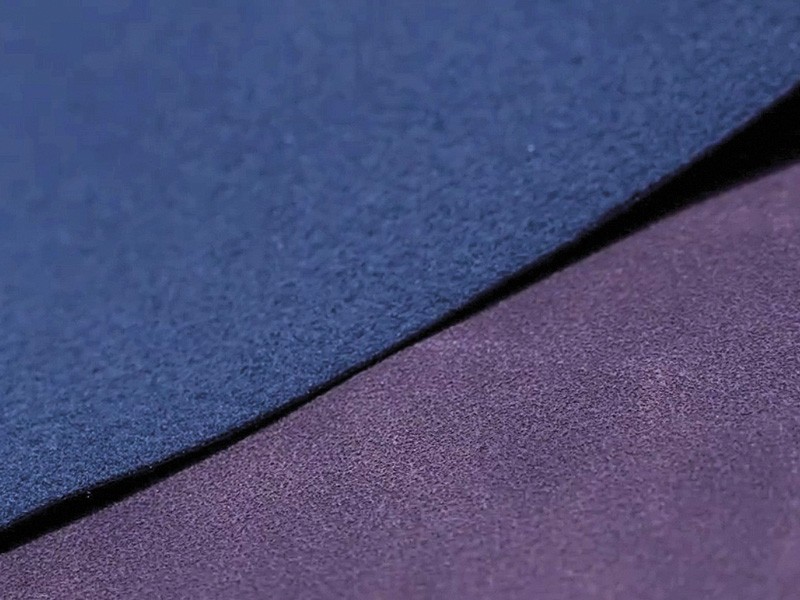
Many inefficient sampling processes begin with an enquiry such as “Please send your best synthetic leather for shoes.” That gives the supplier almost no technical direction and often produces a large box of unrelated swatches.
A stronger sourcing brief identifies the footwear category, target market, material position, preferred material family, thickness range, backing, grain or finish, softness or structure, colour direction, performance priorities, manufacturing operations, expected development volume, production quantity and target timeline.
The clearer the project information, the more focused the material shortlist can be. That means fewer irrelevant samples, faster technical discussion and less waste for both buyer and supplier.
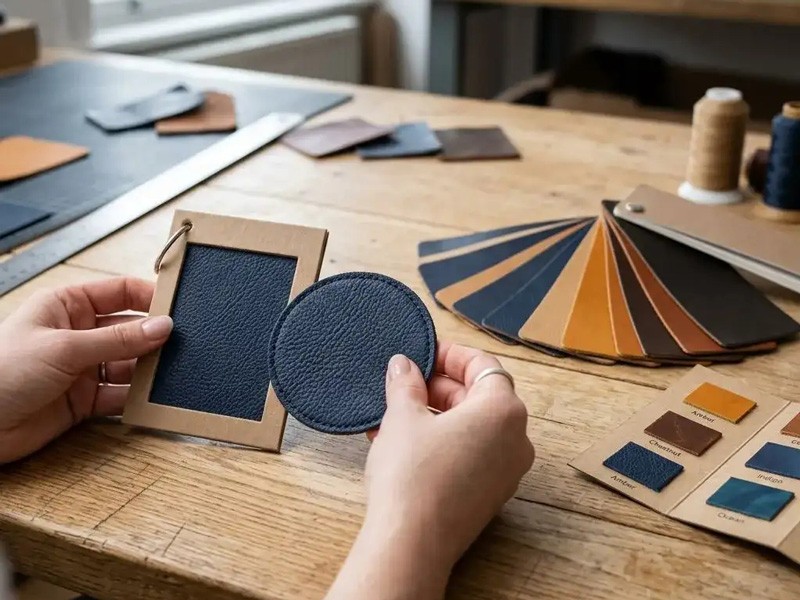
A swatch is useful for evaluating appearance, colour direction, hand feel and preliminary construction. It does not reproduce every condition of footwear manufacturing.
A disciplined development sequence can include material review, laboratory evaluation where relevant, a shoemaking trial, finished-footwear evaluation and final production confirmation. Cutting, stitching, lasting, bonding and folding can expose issues that are not visible on a small sample.
The approved reference should then be clearly retained and used for bulk comparison. This reduces ambiguity around colour, surface, thickness and agreed construction.
First, selecting primarily by price per metre. A lower material price can become expensive if it increases production loss, complaints or replacement claims.
Second, selecting mainly from appearance. A sample book is a useful design tool, not a complete technical specification.
Third, treating one laboratory result as the whole specification. Good flexing performance does not automatically guarantee abrasion, hydrolysis, bonding or processing performance.
Fourth, requesting large generic sample collections. More samples do not necessarily produce a better decision. A smaller, project-specific set is usually more useful than dozens of unrelated materials.
Tell us what you are developing, where the material will be used, the target market, technical priorities, expected sourcing volume and project timeline. MSQ’s materials team will first review the information and recommend the most appropriate next step. Projects that fit our capabilities may then proceed to a focused sample evaluation.
Test methods should follow the risk of the project rather than be added as a generic checklist. For a flexed upper, flex resistance may be central. For a surface expected to experience heavy contact, abrasion and rubbing may matter more. For a PU material going into warm and humid distribution, ageing and post-ageing behaviour may be a priority. For mesh or textile constructions, reinforcement, dimensional stability, tear behaviour or bonding may become more important.
A Technical Data Sheet is useful, but it should be read together with the test method, conditioning and acceptance criteria. A single number without the method behind it can create false confidence. Where a brand or factory already has its own internal standard, the supplier should work to that defined requirement. Where formal compliance or certification is needed, an accredited third-party laboratory should issue the report for the agreed material and test scope.
Document control is equally important. The approved material code, colour, thickness, backing, surface finish and relevant test requirement should be recorded so that later repeat orders are checked against the same reference rather than against memory or a new sample selected informally.
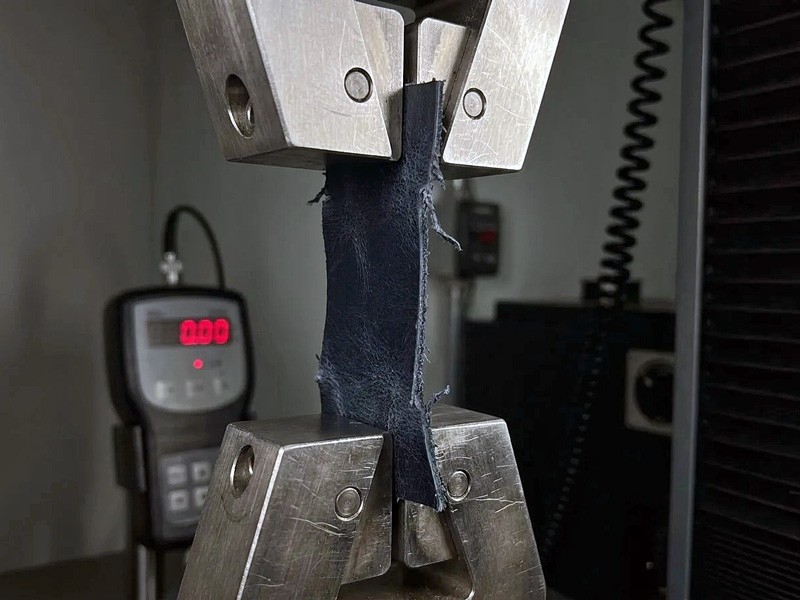
Footwear materials are selected in a development room, but they live through a supply chain. Rolls can spend weeks in production, consolidation, containers, customs, warehouses and retail inventory. Temperature and humidity can vary significantly during that journey.
This is particularly relevant for export projects serving Latin America because one regional programme may cover very different climates and storage practices. The specification should therefore reflect not only the consumer use environment but also the realistic logistics and inventory cycle. A material intended for rapid local production and sale may face a different risk profile from one shipped long distance, stored through a season and then distributed across multiple countries.
The practical sourcing implication is simple: market destination and logistics should be included in the material brief from the beginning, especially when PU ageing, colour stability, packaging or moisture exposure can influence performance.
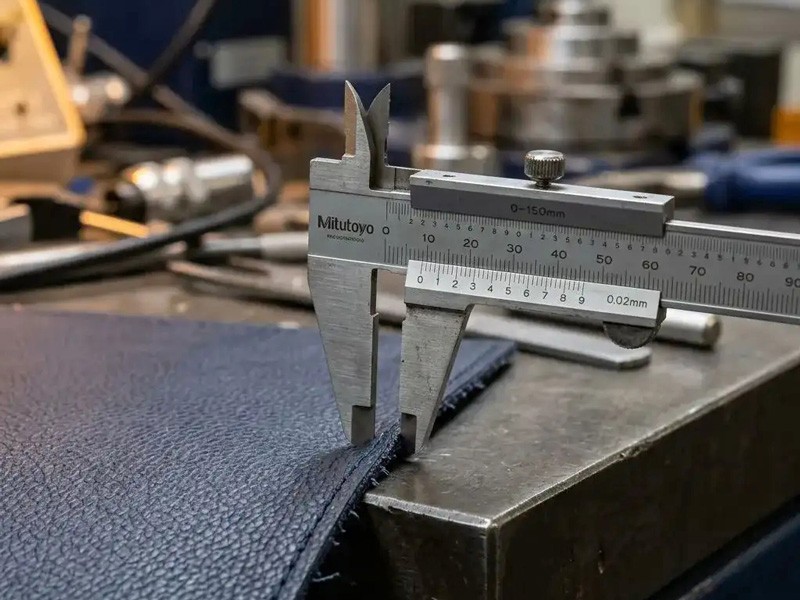
Once a suitable material has been identified, the approved reference should become the anchor for production. The specification should describe what can be measured or checked: material code, colour reference, thickness, width, backing, surface construction, hand-feel direction, relevant performance requirements and any agreed tolerances.
For repeat orders, the question should not be “Is this close to last time?” but “Does this batch match the approved technical reference and agreed acceptance criteria?” That discipline reduces disputes, makes inspection more objective and helps the supplier reproduce the material consistently.
The most efficient material-development process begins with the project. The supplier should first understand what is being made, where it will be sold, where the material will be used, which performance risks matter most, which production process will be used, and what volume and timeline are expected.
At MSQ Shoe Materials, this is the approach we prefer for new developments. Rather than treating sampling as the first step, we review the footwear application, material construction, performance priorities and sourcing requirements first. Where the project matches our capabilities, the next step can include technical discussion, targeted material recommendation, focused sample evaluation, testing or customer evaluation, quotation and production sourcing.
This approach does not eliminate sampling. It makes sampling more useful by connecting each physical sample to a real development or sourcing objective.
Tell us what you are developing, where the material will be used, the target market, technical priorities, expected sourcing volume and project timeline. MSQ’s materials team will first review the information and recommend the most appropriate next step. Projects that fit our capabilities may then proceed to a focused sample evaluation.