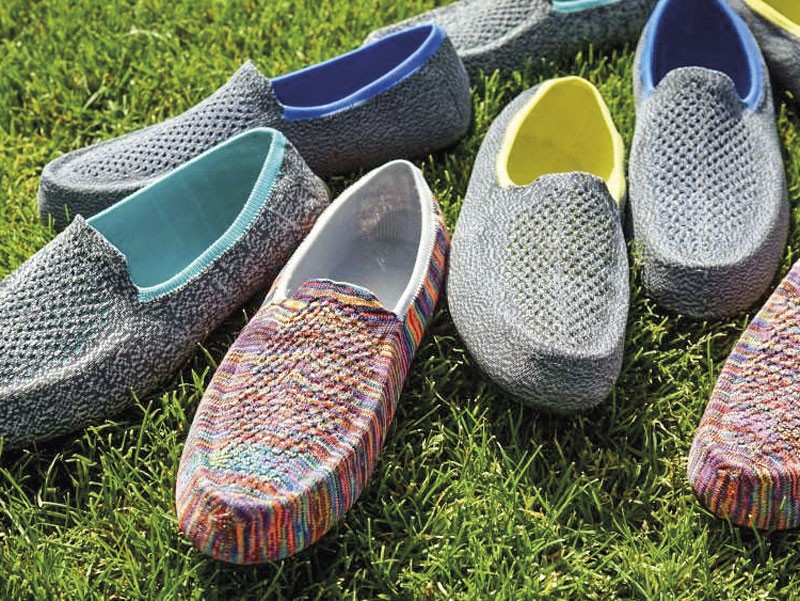
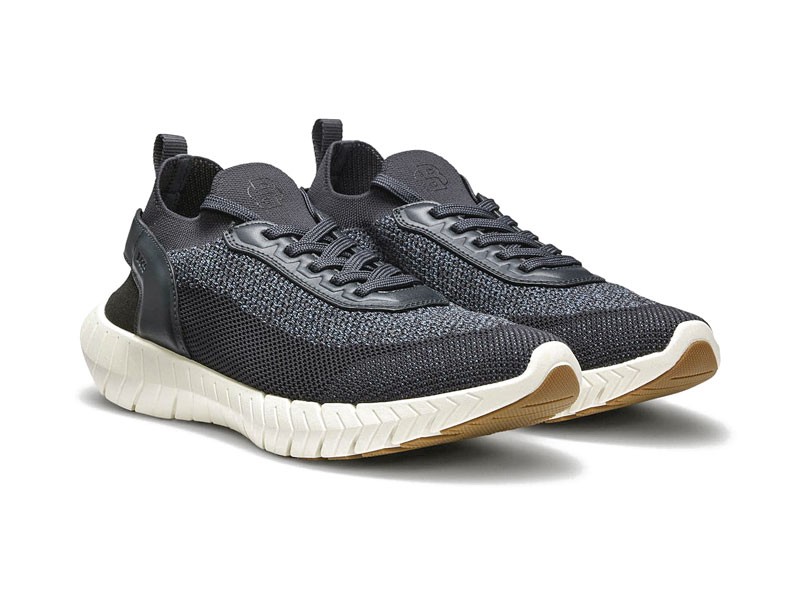
FLAT KNITTING 3D: new technology for manufacturing uppers

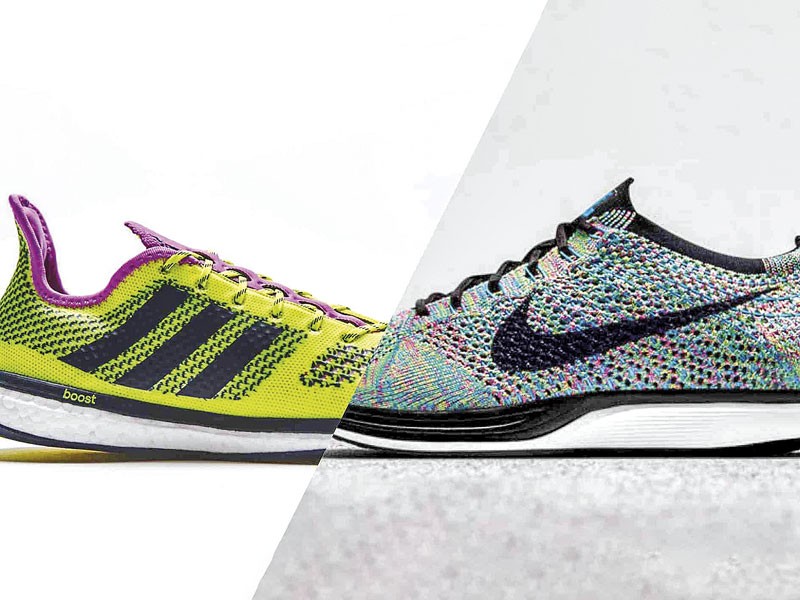
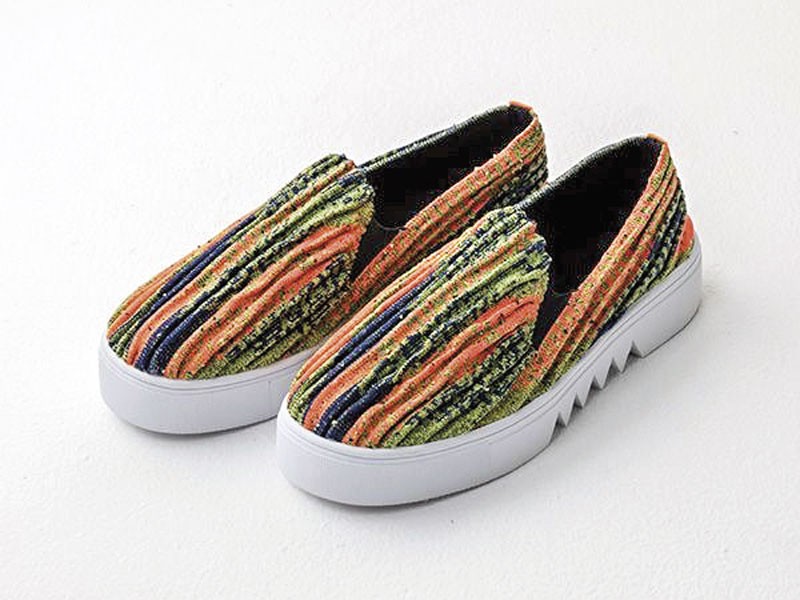
Variable-density integral knitting technology (Flat Knitting 3D) is, in essence, the application of precision textile engineering to footwear. Unlike traditional footwear, where textile and synthetic pieces are cut and sewn, here the upper is “built” thread by thread from scratch.
In 2026, this technology has reached a level of sophistication where the shoe behaves almost like an intelligent “second skin”.
The system is suitable for manufacturing sports and casual footwear, for women, men and children.
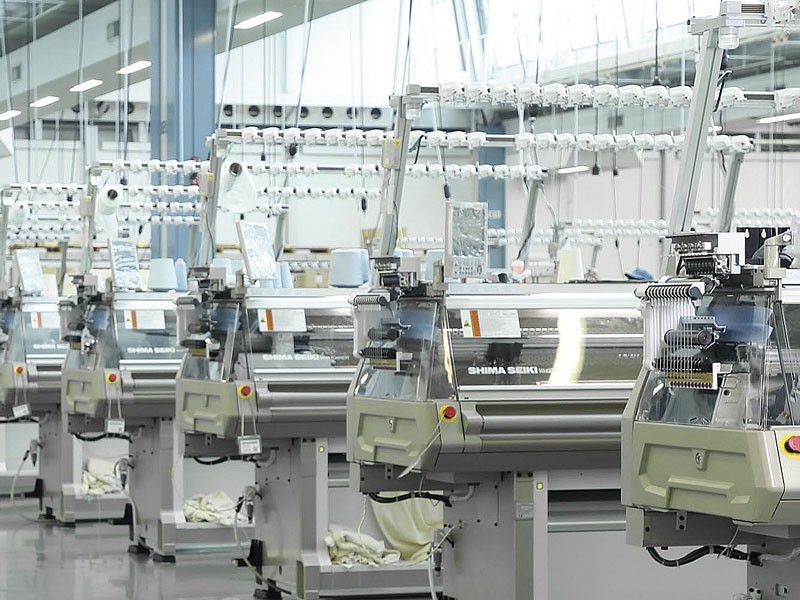
The process is based on computerized flat knitting machines (such as those from leading brands like Shima Seiki or Stoll). The key to variable density lies in three pillars:
Body Mapping
Through specialized design software, different functions are defined for every millimeter of the upper:
• High-Density Zones: In the heel and arch, the knit is tighter and more rigid to provide stability (replacing plastic counters).
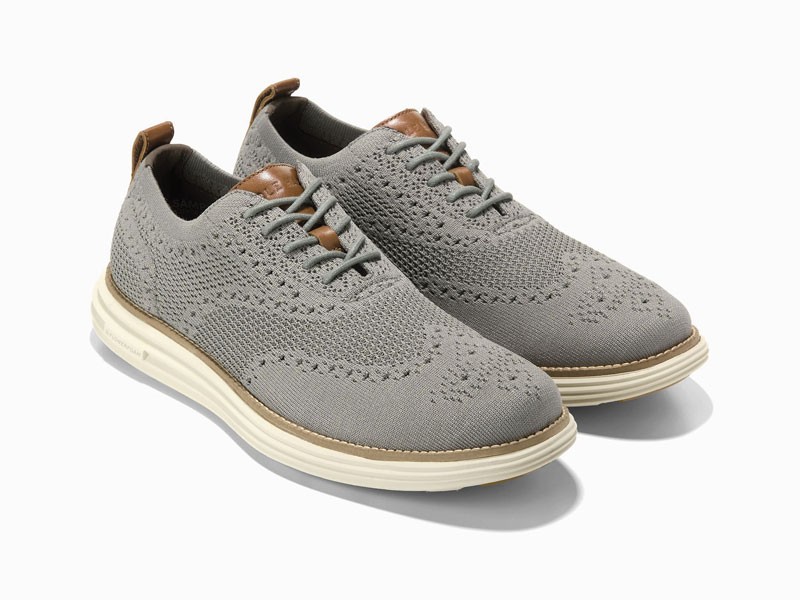
• Low-Density Zones: In the instep, open mesh structures are created for maximum breathability.
• Elastic Zones: In the shoe collar, yarns with elastomer are used so that the fit is sock-like.
Stitch Architecture
The machine not only changes the yarn, but also the type of stitch:
• Transfer stitches: They create integrated holes or eyelets for laces without the need for perforation.
• 3D structures (Spacer fabrics): The machine can knit layers with volume that cushion the foot, eliminating the need for additional foams or padding.
Hybrid and thermofusible yarns
This is the most recent innovation. Conventional polyester yarns are mixed with thermofusible yarns (TPU) in critical areas. After knitting, the upper undergoes a brief heat process that slightly melts these technical yarns, “locking” the knit so that it does not deform, without losing flexibility.