FOOTWEAR IN VENEZUELA. Beyond the earthquakes

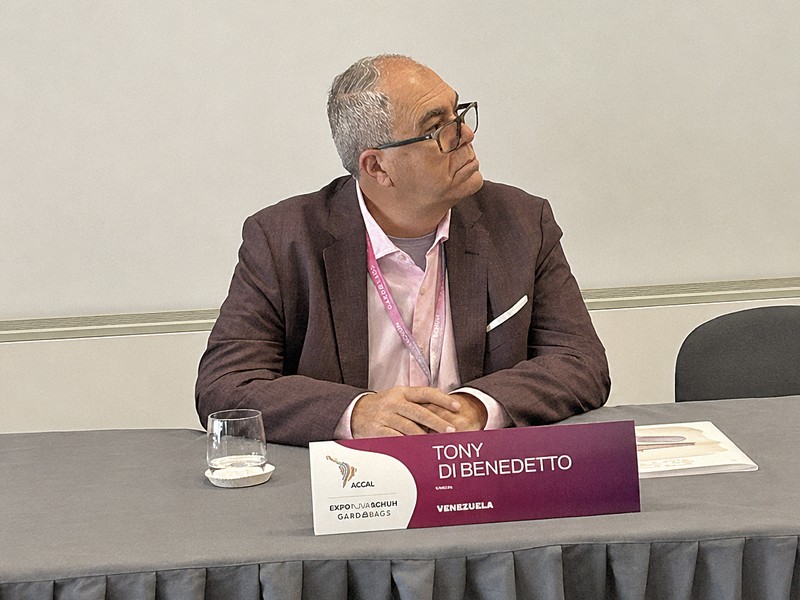
Following the devastating earthquakes recorded in Venezuela at the end of June 2026, the footwear and manufactured goods sector is facing a scenario of operational contingency, slower consumption and commercial restructuring.
According to different sources consulted, the current situation of the industry is structured around four main areas:
According to surveys by industrial associations, the direct physical impact on manufacturing plants was limited, but operational disruption was widespread:
- Around 20% of the country’s manufacturing plants temporarily suspended their activities.
- Although more than 80% of physical structures did not suffer severe damage, 14% of companies reported minor damage to machinery and inventories.
The socioeconomic emergency immediately affected footwear supply flows and the business agenda:
- Venezuelan distribution chains and importers canceled or froze international orders for finished footwear in order to redirect liquidity.
- At the traditional Asoinducals Fair in Bucaramanga, Colombia, approximately 50% of the Venezuelan buyer delegation decided not to travel or canceled purchasing agendas due to logistical problems and the state of emergency in the country.
As in the textile and apparel sector, several footwear and leather goods workshops and manufacturers in the central area, such as Aragua and the coastal zone, temporarily transformed their production lines. They suspended commercial collections in order to manufacture polyethylene bags, logistics supplies and assistance materials for rescue and recovery operations.
- National distribution is suffering severe interruptions due to the condition of road infrastructure and service outages in the most affected areas.
- With overall economic losses in the country estimated by the UN in the billions of dollars, footwear demand in retail trade suffered a severe decline in favor of essential goods, including food, medicine and reconstruction supplies.
“What happened was a major tragedy, with severe damage in the affected areas. Fortunately, in the area where the vast majority of footwear factories are located, we did not have such destruction and losses, because the phenomenon did not have a major impact in this region”.
“In any case, this represented a generalized paralysis of the country, as it forced us to collaborate and help in order to cope with this serious situation”.
“At the industrial level, activity did not stop, but even so this is not the best year we are going through, because our sector is one of the most affected economically, since we continue to suffer from smuggling and excessive imports due to low import tariffs. This has a direct impact on the local industry and prevents us from being competitive against imported products. We are fighting and insisting that tariffs be raised, but we see that, for the moment, the government has other priorities. We hope that little by little it will pay greater attention to our demands so that the industry can overcome this situation”.“If this does not happen, more factories will close their doors every day, sources of employment will decline, and it will become increasingly difficult to achieve reactivation. With this outlook, continuing our activity becomes an uphill task, with the added problem that many people will move into other sectors rather than footwear manufacturing”.
RELATED ARTICLES:
- CAVECAL warns of a decline in domestic manufacturers
- Strong impact of the earthquake on Colombian footwear