FOOTWEAR: new consumer habits

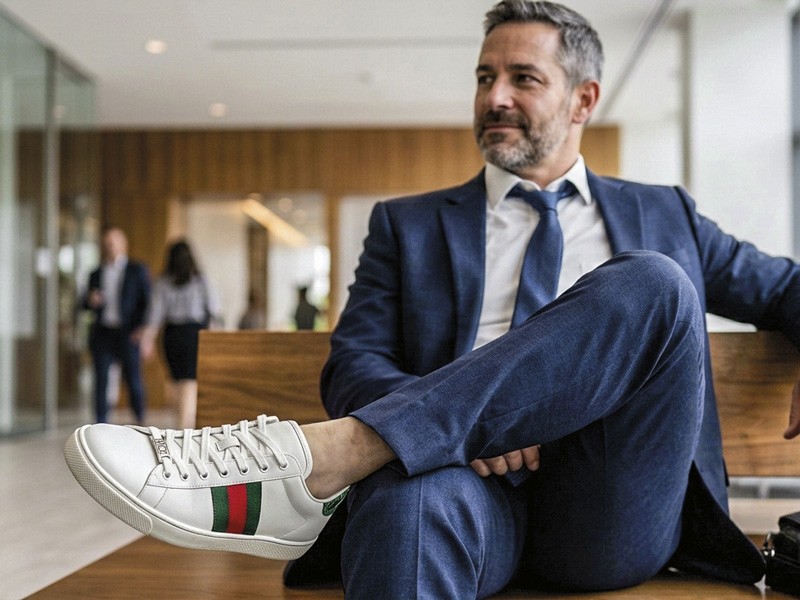
The phenomenon of footwear “casualization” and the dominance of sports/casual footwear over formal or dress shoes represent one of the most significant shifts in consumer behavior in the global fashion industry.
Market intelligence reports from recognized consulting firms quantify this trend:
According to the footwear industry report by Business Research Insights, market share is distributed across categories as follows:
• Athletic / Performance Footwear: 41% of global consumption.
• Casual and Athleisure Footwear: 33% of global consumption.
• Formal / Dress Footwear: 16% of global consumption.
• Sandals and other categories: 10%.
Key fact: Athletic and casual footwear account for approximately 74% of all pairs consumed worldwide. In markets where casual dress habits are more deeply established (such as the United States), sneakers alone account for 44% of total footwear consumption.
Revenue in the athletic/casual footwear segment reflects the pace of its expansion:
• The athletic footwear market exceeded US$ 135–180 billion during the 2025–2026 period.
• It is projected to grow at a compound annual growth rate (CAGR) of between 4.9% and 6.7% over the next 8 to 10 years (exceeding US$ 210 billion in the 2030s).
• By comparison, the formal/dress footwear category shows flat or considerably lower growth (around 1.5%–2% CAGR), driven almost exclusively by specific occasions (events, weddings, etc.) and a very limited corporate segment.
Industry analyses identify several reasons for this transformation:
• The athleisure trend and hybridization: Reports by Mordor Intelligence and Precedence Research highlight that the boundary between athletic performance and everyday wear has effectively disappeared. Approximately 51% of global consumers prefer footwear based on sneaker aesthetics or construction for their routine activities.
• Relaxation of workplace dress codes: Hybrid working arrangements and more relaxed corporate dress codes have reduced purchases of traditional leather dress shoes (Oxfords, classic lace-up shoes, structured moccasins, etc.).
• Prioritizing comfort over strict design conventions: According to consumer behavior studies in key markets, more than 58% of buyers prioritize ergonomics, cushioning and durability over strictly formal styling.
• Predominance of non-traditional materials: 54% of footwear worldwide is already manufactured using non-leather materials (synthetic meshes, 3D/knit fabrics, EVA foams, recycled materials and thermoplastic polyurethanes). Sneakers and athletic footwear account for more than 70% of the consumption of these synthetic/textile materials.
Industry reports indicate that formal footwear has not disappeared, but has undergone structural changes:
• Hybridization: The widespread emergence of the “hybrid shoe” (classic leather uppers mounted on sports-style soles made from rubber, TR or injected EVA) to provide comfort for consumers accustomed to sneakers.
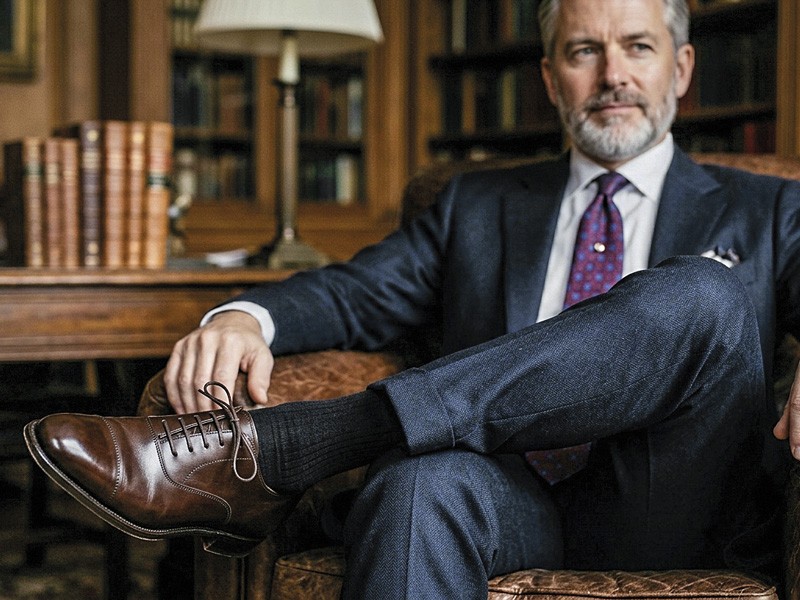
• Luxury and value-added niches: High-end classic footwear made from genuine leather is increasingly shifting toward the luxury segment, bespoke footwear and specialty niches, losing market share in everyday mass consumption.
Write us! marketing@serma.net