How much do NIKE and ADIDAS earn from each football jersey?

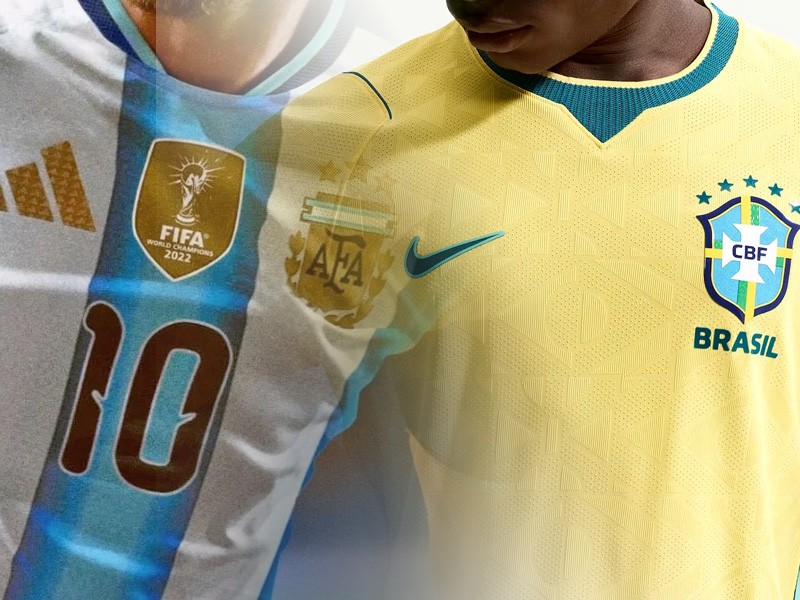
The profit margin on official football jerseys for brands such as NIKE and ADIDAS is a complex issue, since the final price paid by the consumer is distributed among several players, including manufacturers, clubs/federations and retailers.
Below is a breakdown of the margin structure and the current financial situation of both brands ahead of the 2026 World Cup:
Although manufacturing costs are relatively low, final operating margins per unit are reduced by licensing and logistics. A typical breakdown for a €100 jersey is as follows:
Financial reports from the first quarter of 2026 show how the global environment is affecting these returns:
Prices have increased by approximately 12% to 16% compared with Qatar 2022. The brands usually offer two versions:
Note: It is important to highlight that clubs and national teams receive only a small percentage of each sale (royalties), since the core of their business lies in the fixed annual payment that brands make under sponsorship agreements.
Sources: flashcore.com/nss-sports.com/frontofficesports.com/investors.nike.com/worldsoccertalk.com
RELATED ARTICLE:
- Football meets fashion: LOUIS VUITTON's exclusive football boots