Fastening systems diversify women's sneakerinas

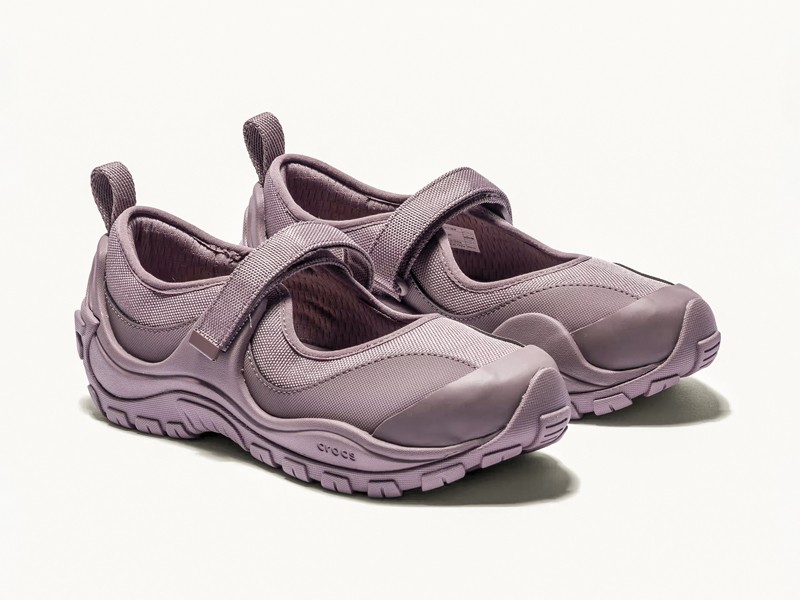
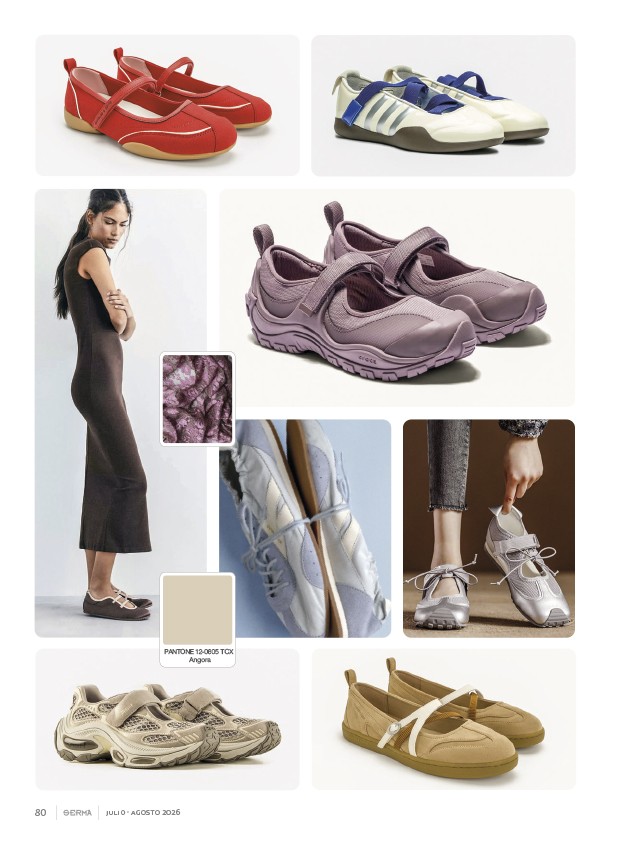
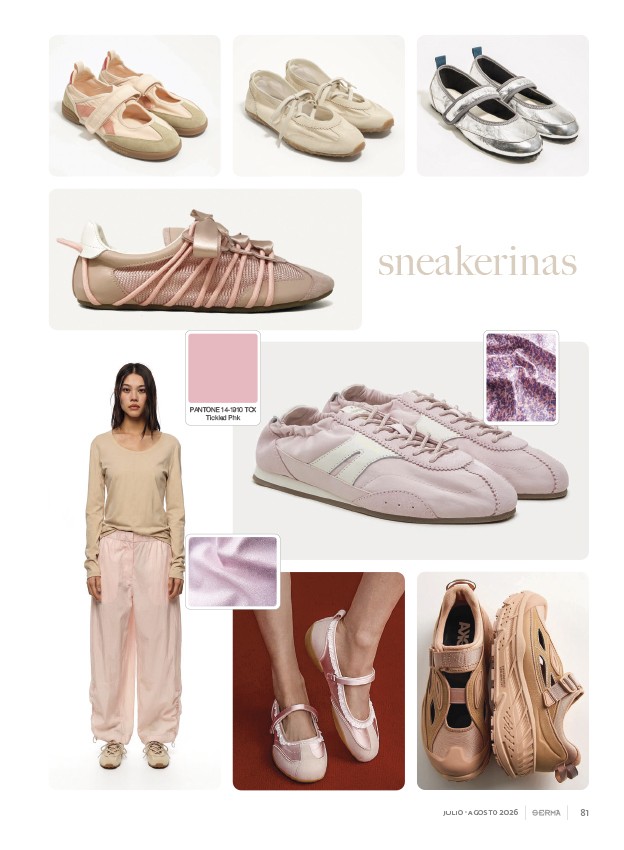
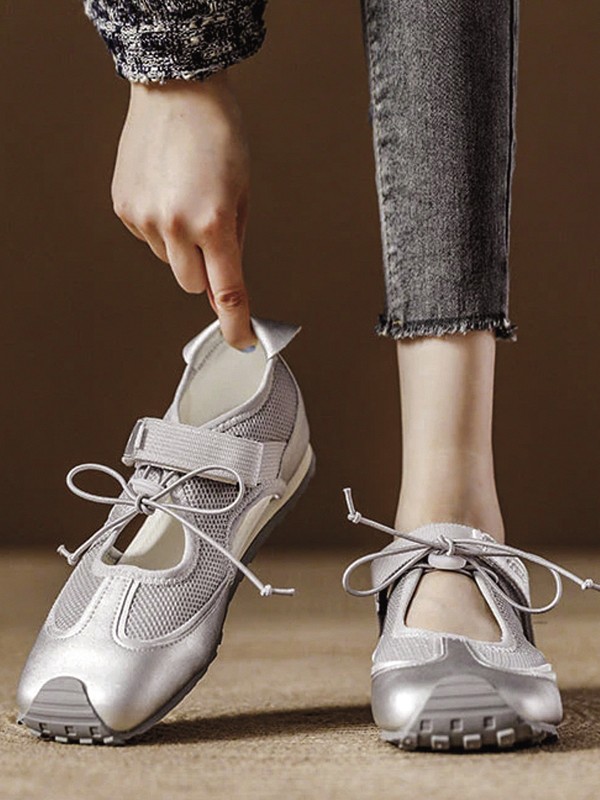
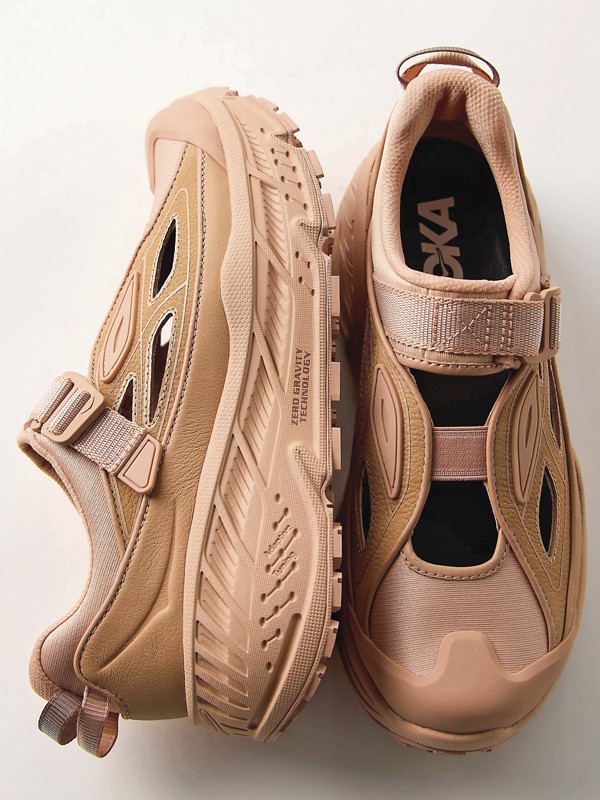
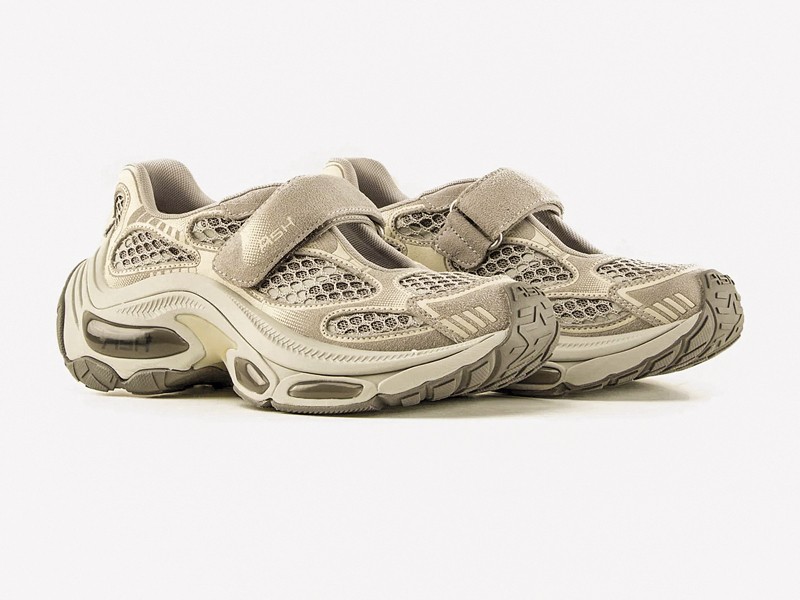
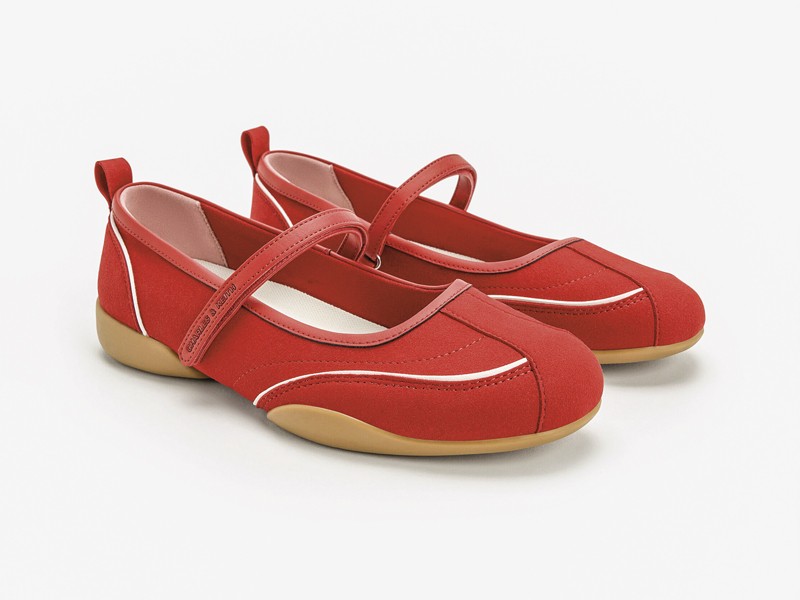
The family shares a recognizable visual construction: rounded or softly oval toes, open toplines, uppers that sit close to the foot and low-profile or sport-looking sole units. Within that structure, fastening occupies a central position across the instep. On some models it appears as one transverse strap; on others, it multiplies, crosses or extends from the sides. The result retains the openness associated with ballerinas and adds sneaker-derived resources without reducing the category to a single formula.
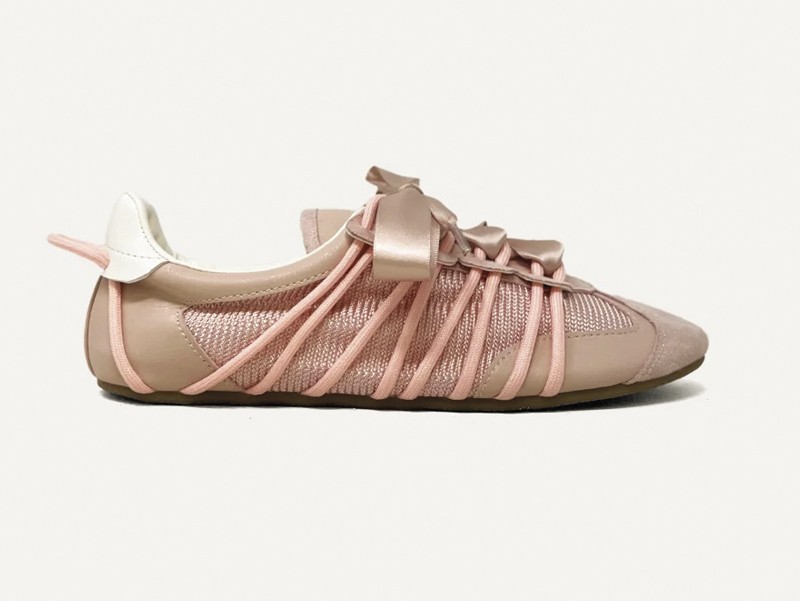
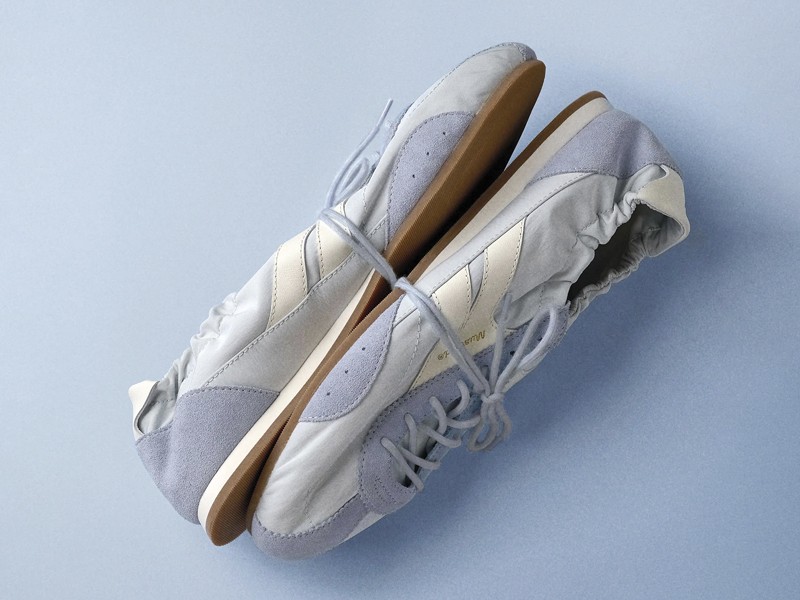
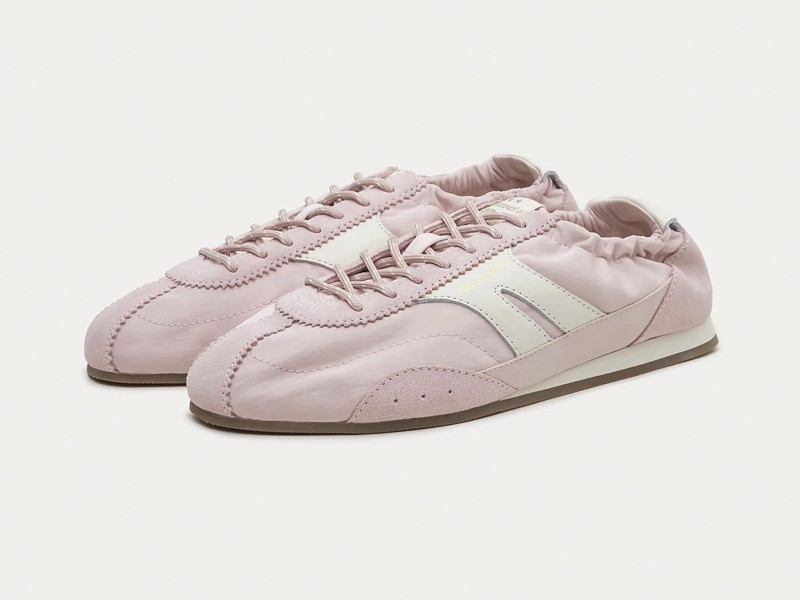
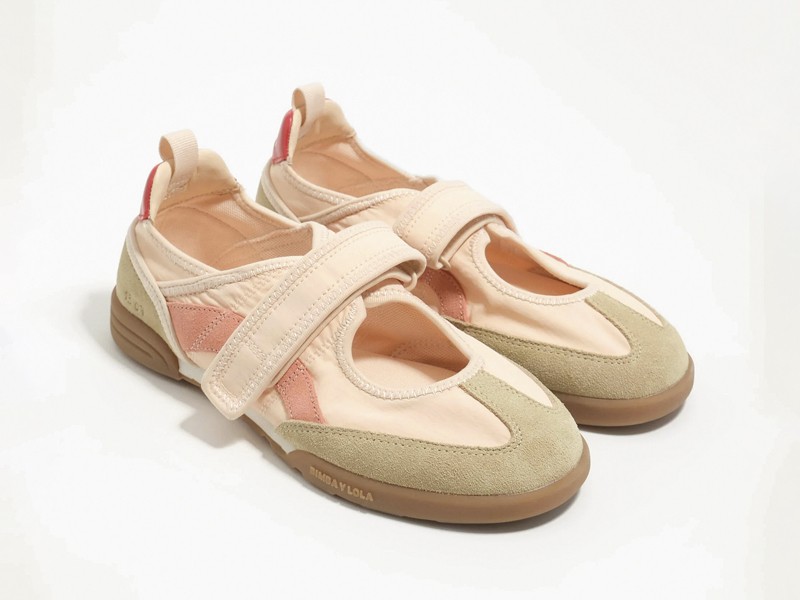
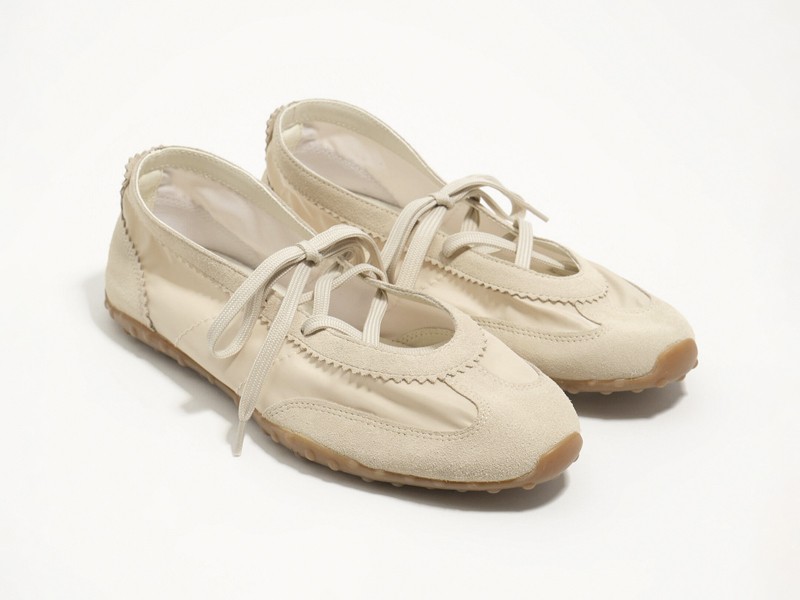
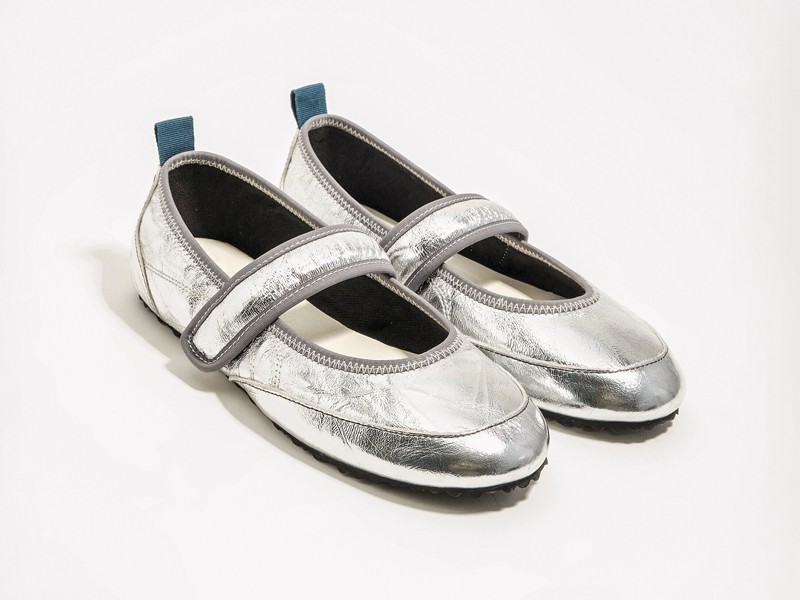
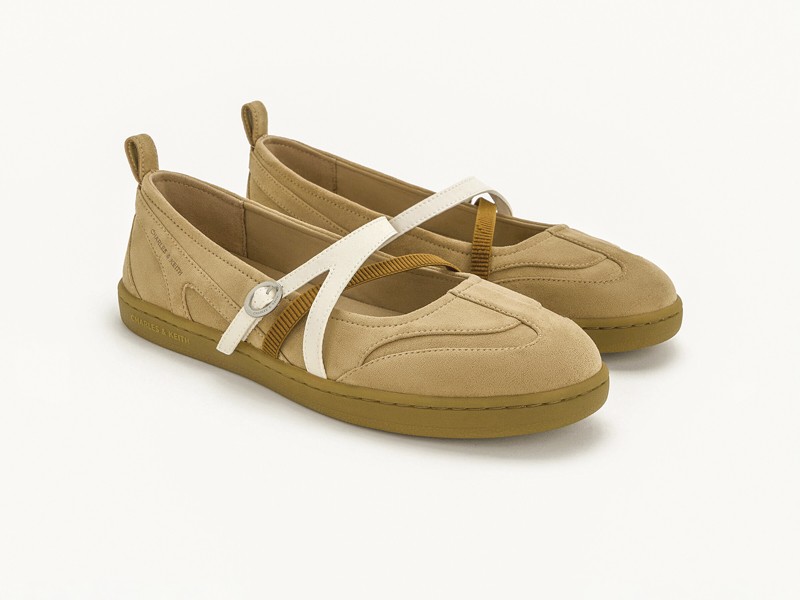
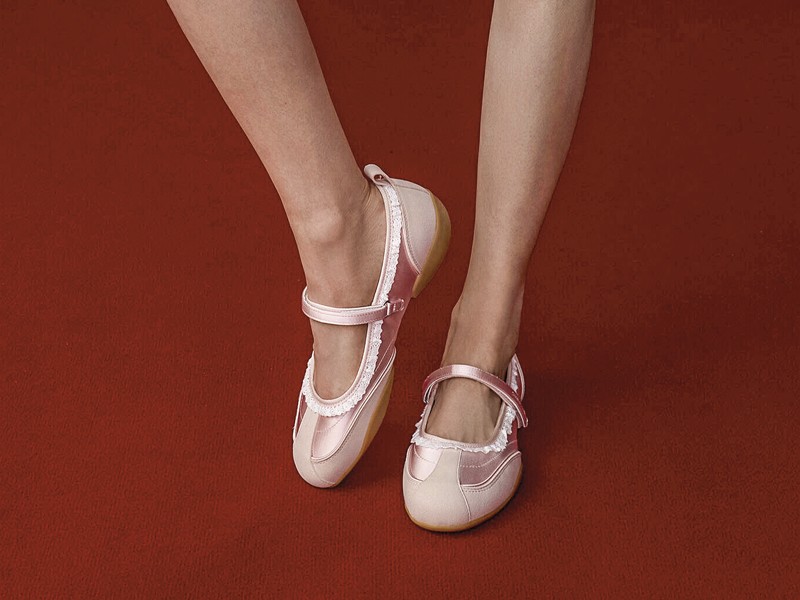
The range includes single and double bands, X-shaped crossings, traditional lacing, long ties around the instep and networks of elastic-looking cords. Rear pull tabs, small loops and wider bands connecting the sides are also visible. Each route modifies the exposed surface, the number of attachment points and the visual presence of the closure. Two pairs with a similar height can therefore offer different readings through the architecture of the fastening system.
Transverse straps focus attention on their width, position and integration with the sides. Crossed constructions add angles and overlaps that must be resolved without fully concealing the upper. Conventional lacing requires an ordered route across the central opening, while wraparound systems add visible loops, channels or passing points. In industrial development, these decisions must be defined through patterns, measurements and specifications supplied by each company, without assigning performance that has not been verified.
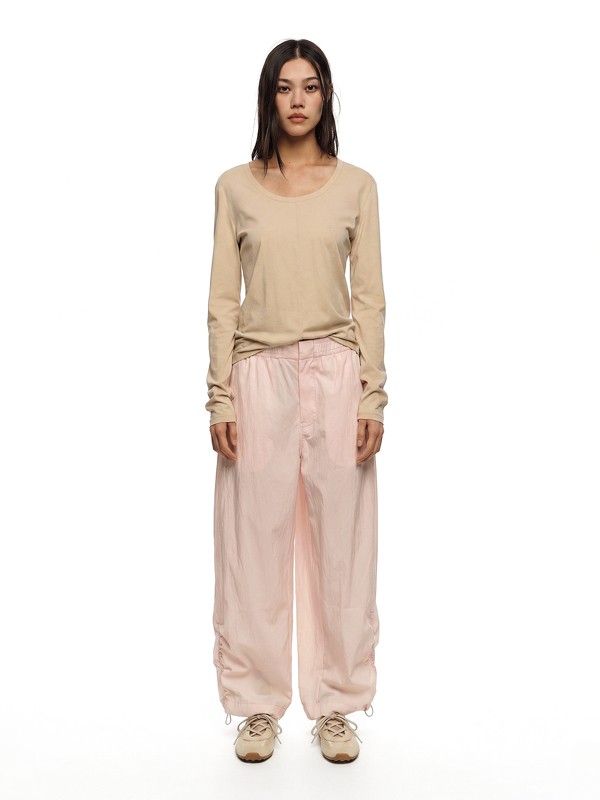
Coordination also appears through color and surface appearance. Pantone 12-0605 TCX Angora provides a light neutral, while Pantone 14-1910 TCX Tickled Pink establishes a soft pink reference. Red, lilac, mauve, beige, white, blue, silver and sand tones expand the selection. Textile-looking surfaces, visible mesh, smooth finishes and sections with an apparent satin or metallic shine can be observed. Straps and laces may continue the upper color or introduce contrast; the composition of each material must be confirmed with the supplier.
For suppliers, the specific opportunity lies in presenting coordinated families of straps, tapes, cords, laces, loops, guides, eyelets, pull tabs and upper pieces intended for the same footwear type. A kit can be organized by width, route, color and appearance, with applications showing how the product changes between a single band, a crossing, central lacing or a wraparound solution. Compatibility with the intended construction must be documented in the supplier's own technical information and validated during the manufacturer's development process.
Manufacturers and brands can structure the collection around the fastening system instead of relying only on the sole unit. A commercial sequence can begin with one-strap models, continue through double bands and crossings, and then incorporate lacing and more visible routes. Angora and Tickled Pink can work as color references within that matrix, together with neutrals, reds, lilacs and metallic-looking finishes. This organization connects components with finished products, clarifies the assortment and gives buyers a concrete comparison between variants.

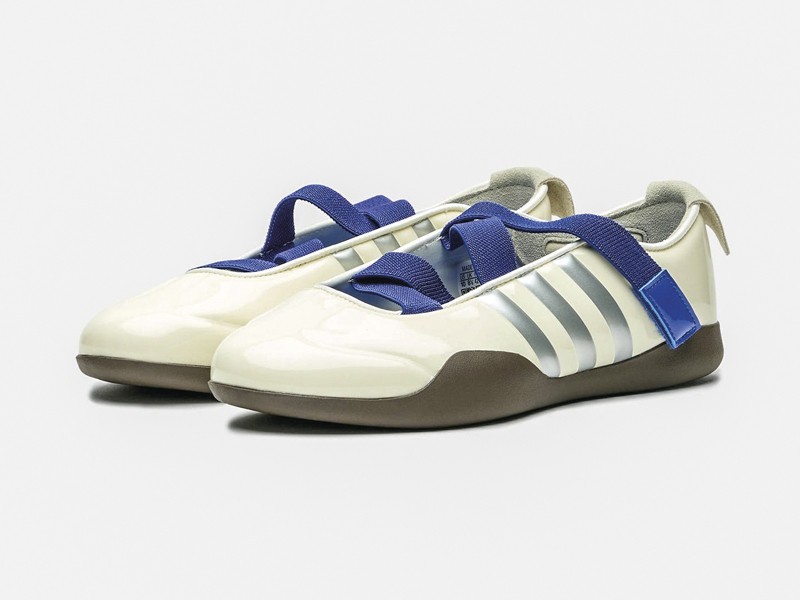
Suppliers of straps, tapes, cords, laces, loops, guides, eyelets, pull tabs and upper pieces, together with manufacturers of finished sneakerinas, can present kits, applications and collections through SERMA.NET and SERMA's digital catalog. Visual comparisons between fastening routes can also be featured through content on Instagram @serma_net and Facebook SERMA, including collaborative posts when a company has a specific component or finished-product proposal.
Contact: marketing@serma.net | WhatsApp: +54 9 351 394 8656