Mary Jane ballerinas reshape toplines across the instep

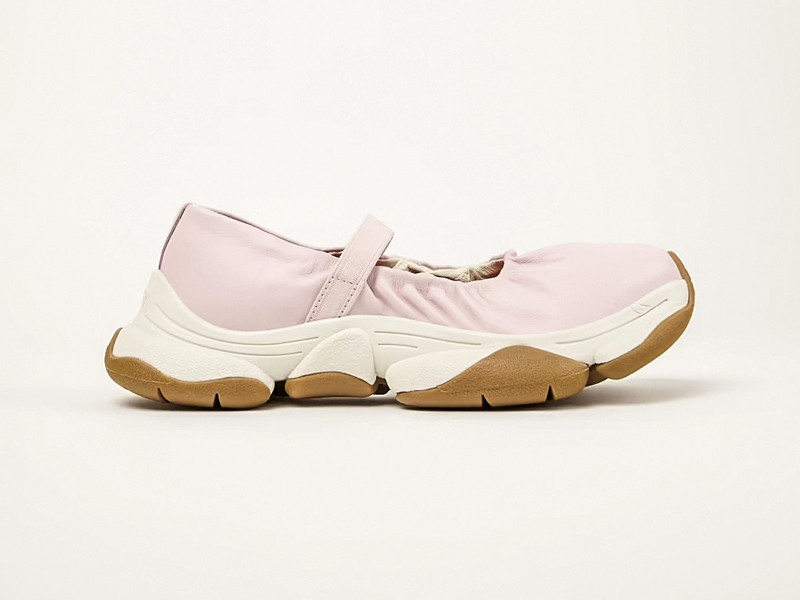
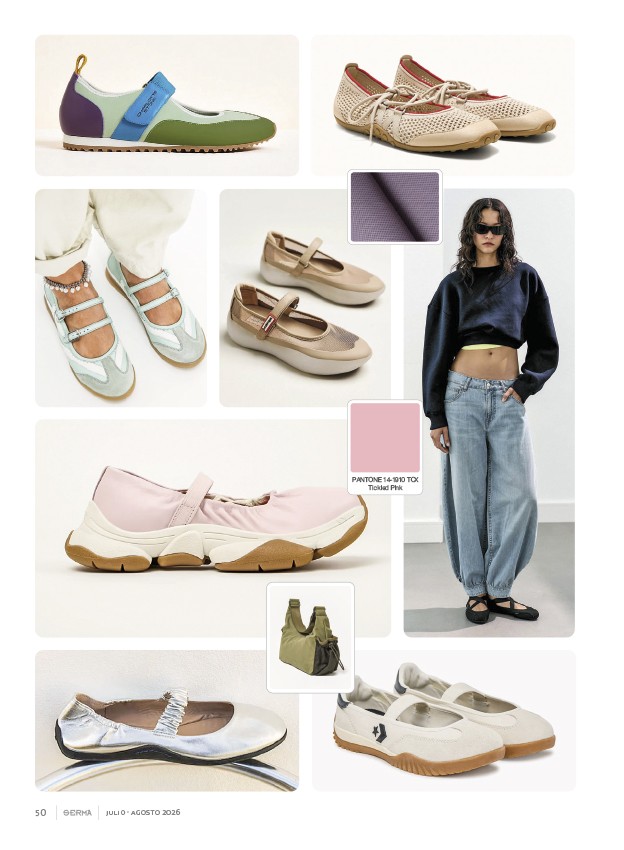
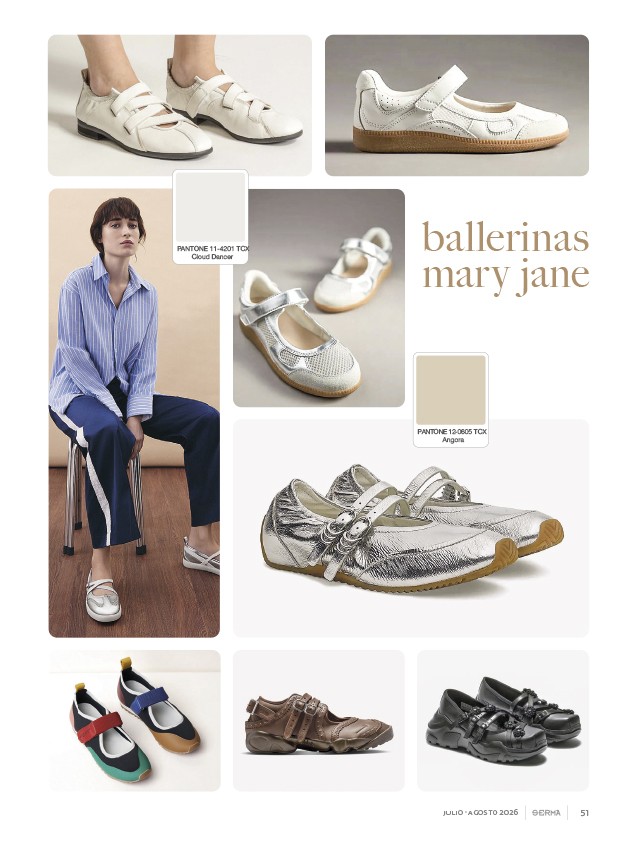
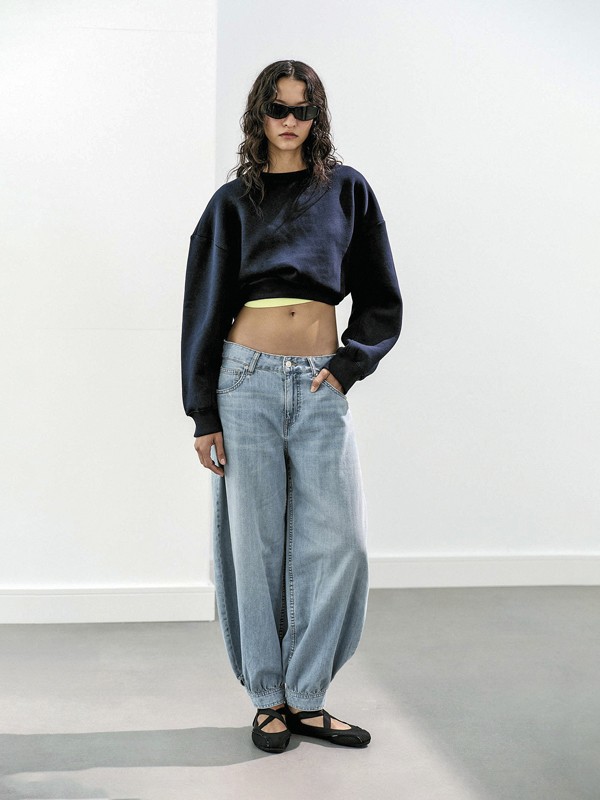
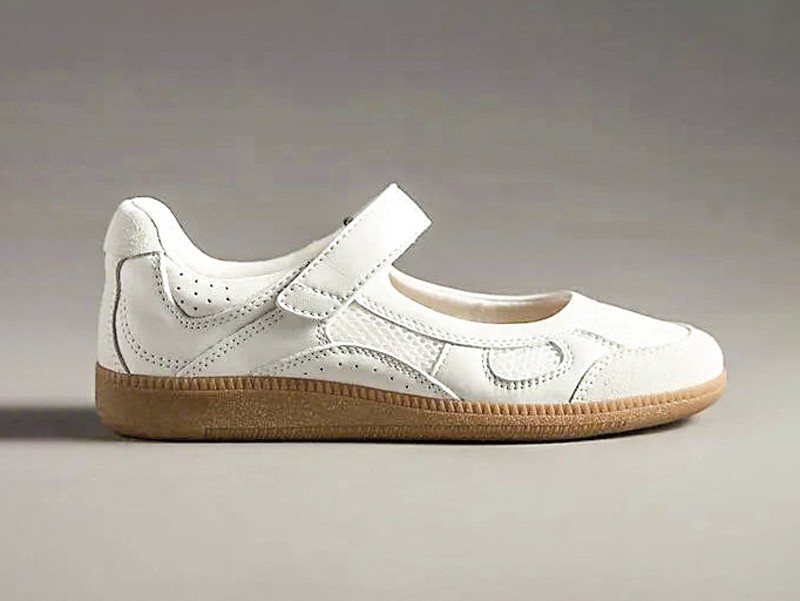
The starting point is a recognizable morphology: low-height women’s footwear, predominantly rounded or oval toes, and an upper opening that exposes part of the instep. Differentiation comes from the path of that opening. Some styles use a wide, continuous topline; others raise the quarters, extend toward the center of the foot or add pieces that interrupt the contour. The category preserves its low scale while changing the proportion between covered surface and open space.
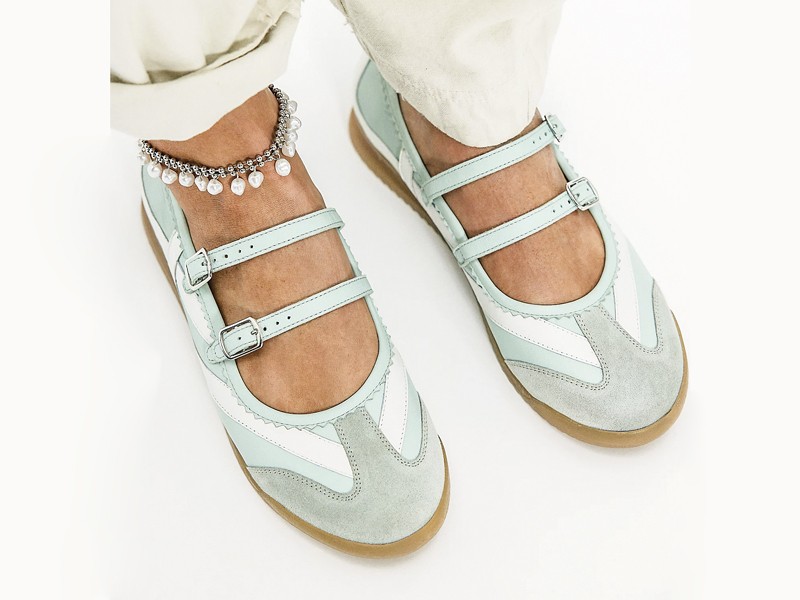
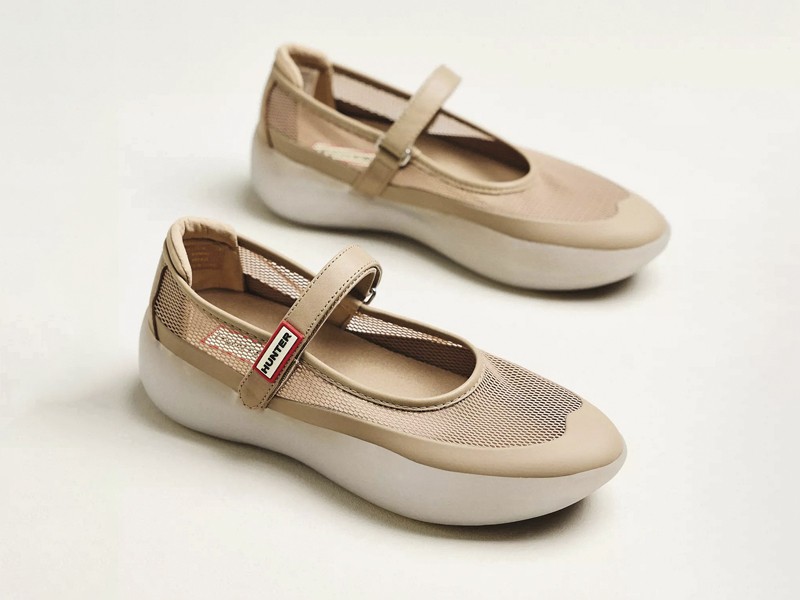
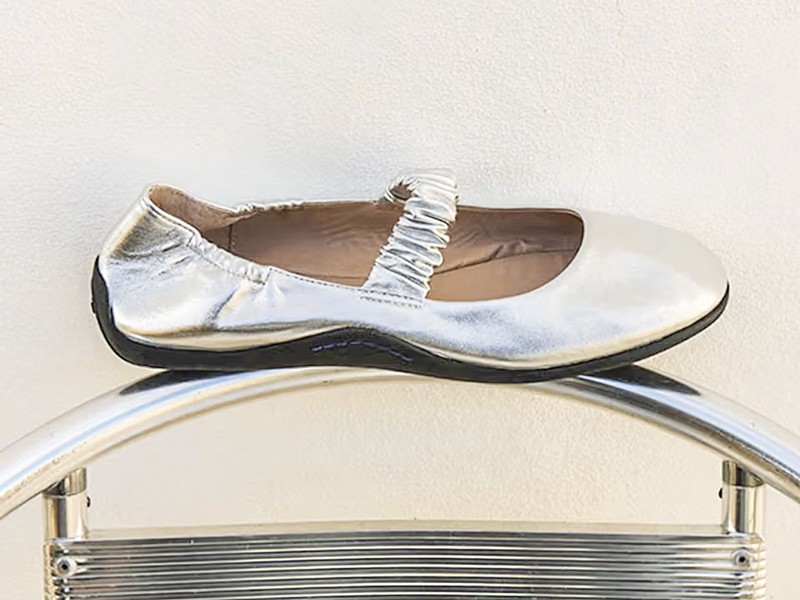
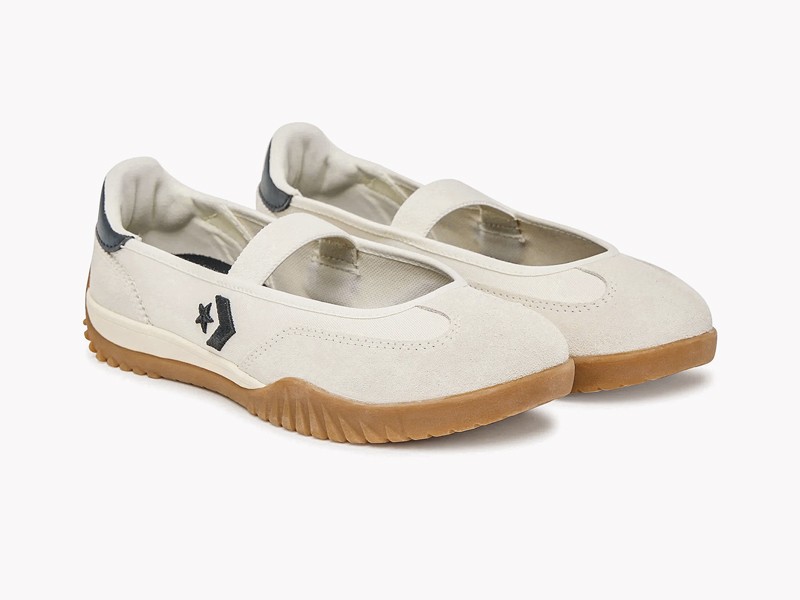
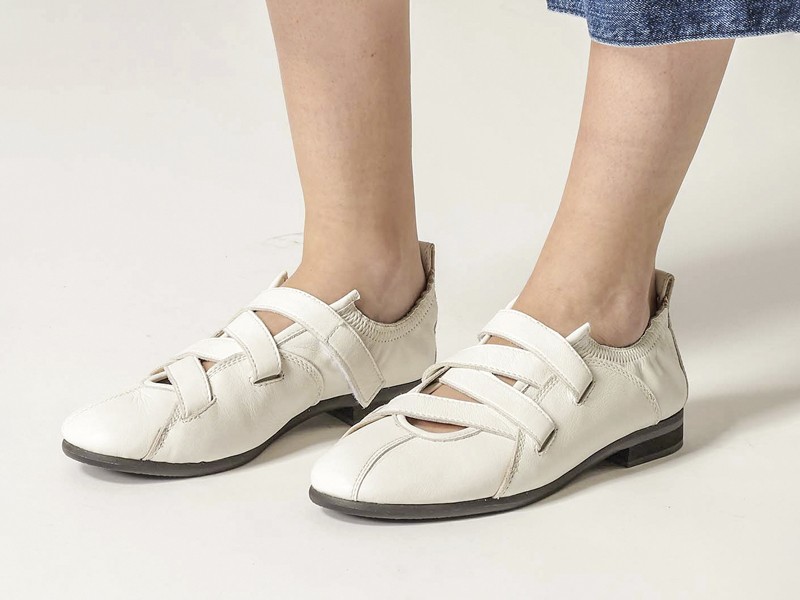
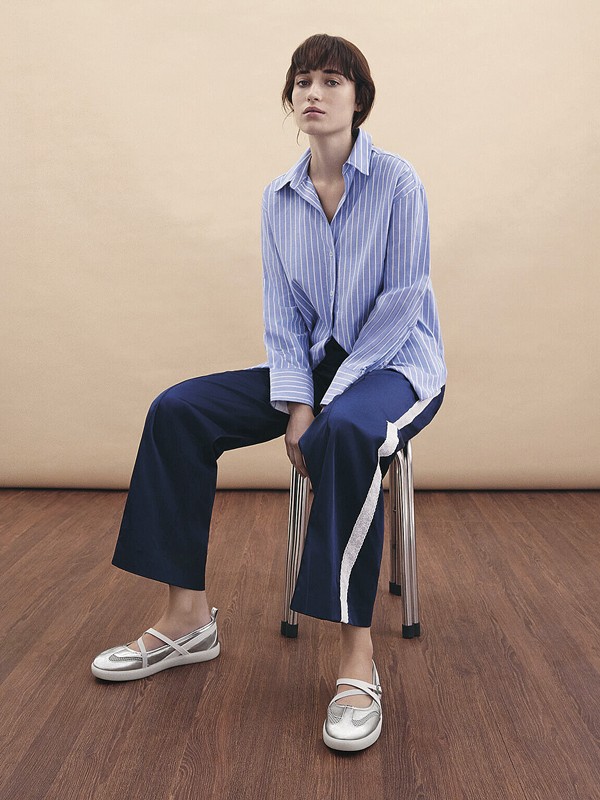
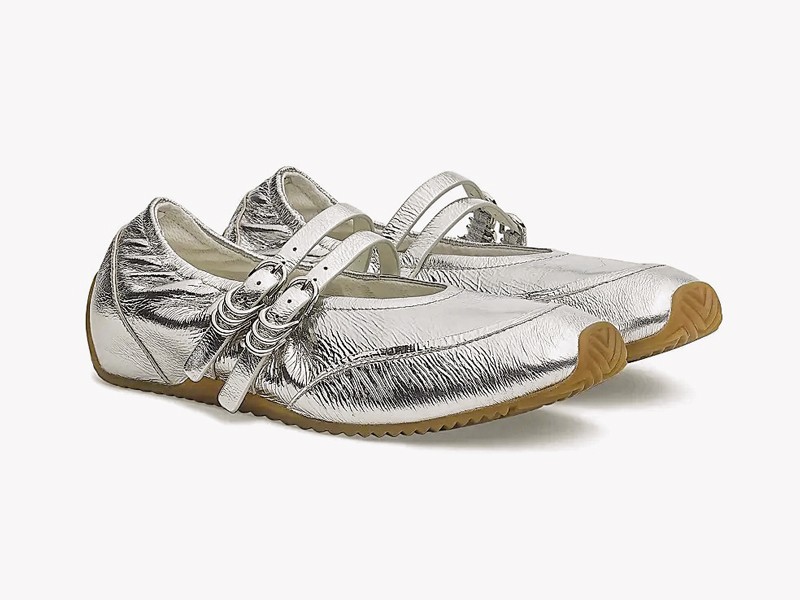
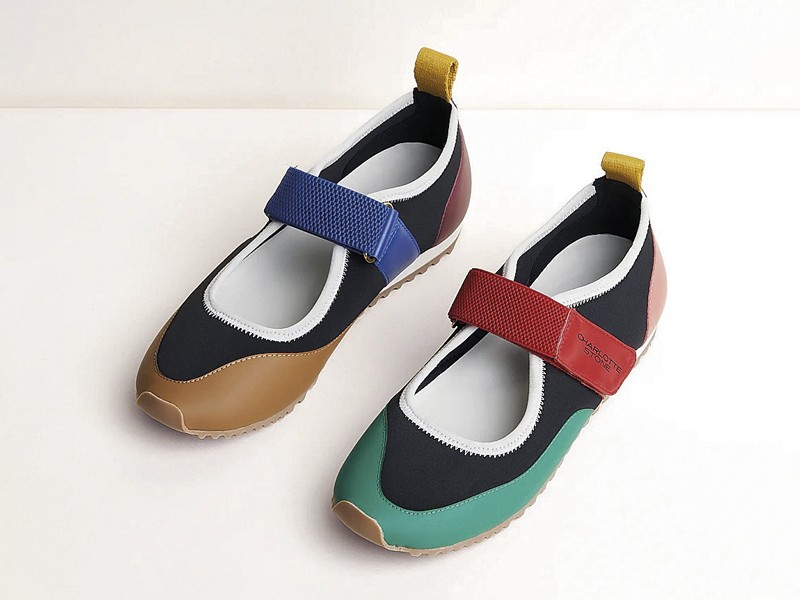
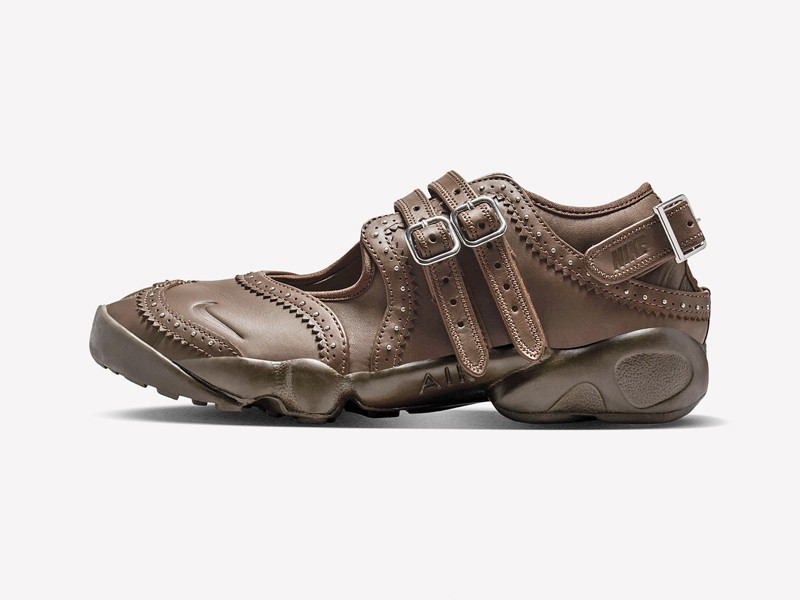
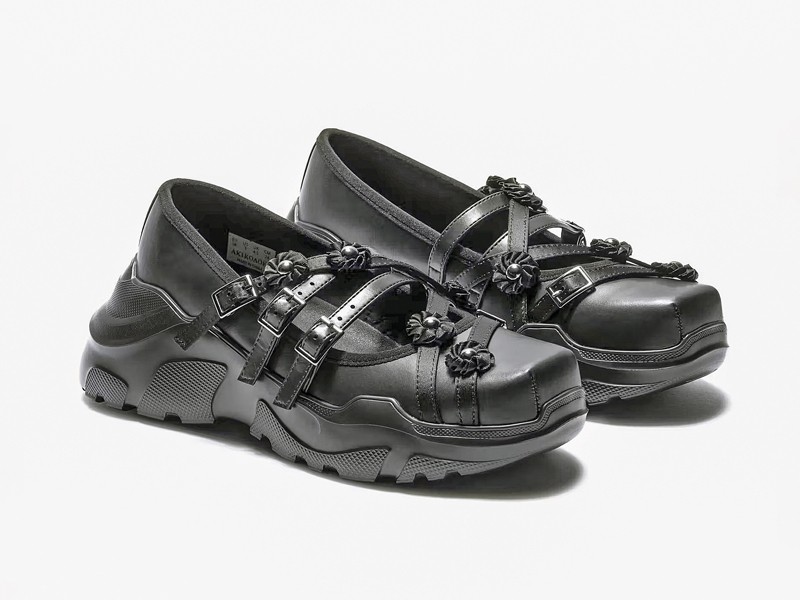
On Mary Jane versions, straps cross the instep and also act as visual boundaries for the topline. One broad band creates a different reading from two or more slender lines; similarly, a piece placed close to the opening distributes space differently from one positioned toward the center. The strap is considered here as a morphological device rather than a claim about fit performance: it organizes the open area, connects the sides and changes the upper’s continuity.
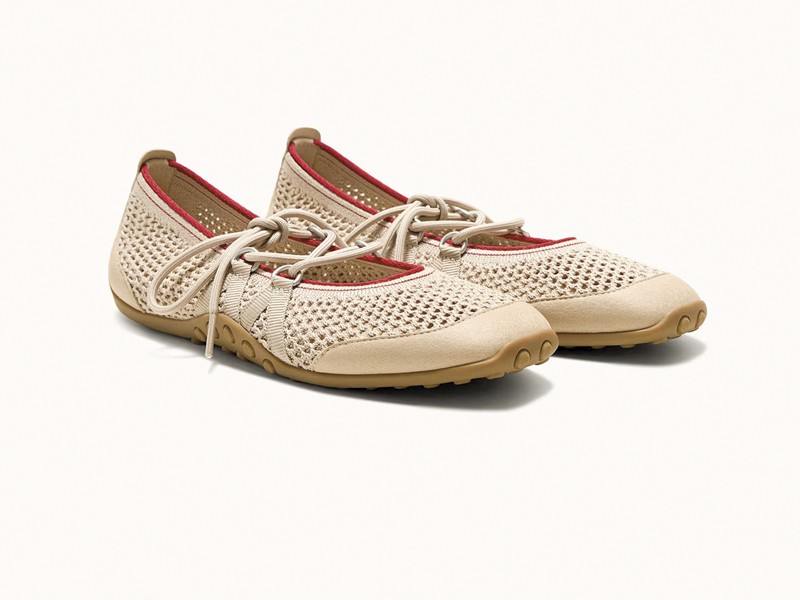
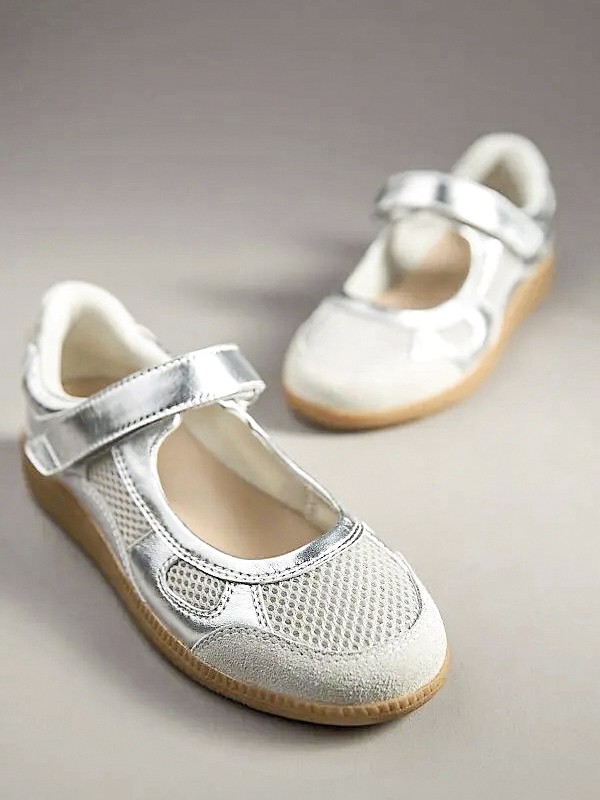
Clean-opening versions direct attention to the upper edge. On some examples, an apparently gathered contour softens the transition toward the interior; on others, binding maintains a more defined line. Styles with more coverage introduce overlapping panels, cutouts, visible perforations or areas with a mesh-like appearance. These resources do not identify composition on their own, but they do show different ways of building visual density around the instep.
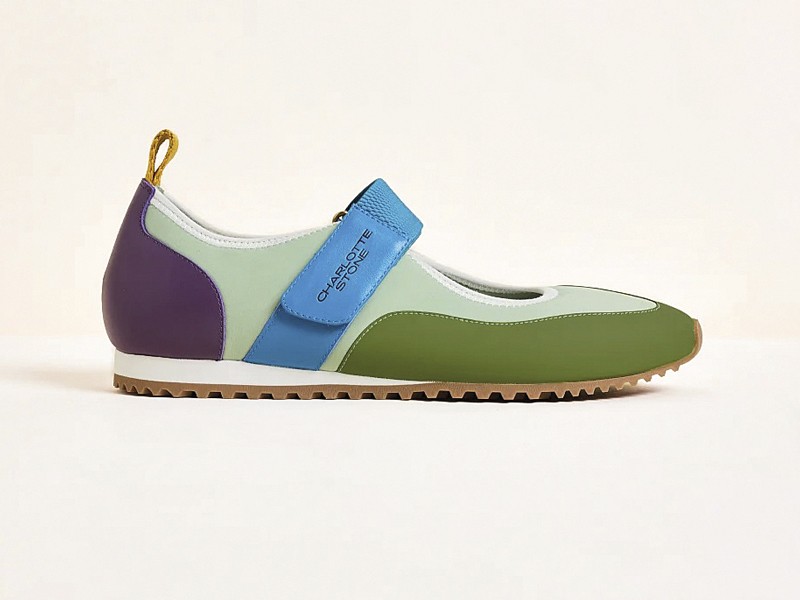
The toe and quarters also participate in this gradation. Some uppers are compact, with few interruptions, while others are divided into pieces with contrasting colors or finishes. Light neutrals, soft pink, multicolor combinations and metallic-looking surfaces broaden the range without displacing the morphological focus. Pantone 14-1910 TCX Tickle Pink, Pantone 11-4201 TCX Cloud Dancer and Pantone 12-0605 TCX Angora serve as editorial references; the photograph does not confirm that every product exactly reproduces those standards.
The lower profile establishes a second layer of differentiation. Very thin soles preserve the traditional ballerina reading, while caramel-colored outlines, toothed profiles and segmented bases increase visual presence. On higher-volume styles, the bottom extends beneath the toe and heel and brings the silhouette closer to a hybrid interpretation. This observation concerns proportions and appearance: it does not demonstrate flexibility, grip, cushioning, resistance or any other technical performance.
For product development, the group can be organized through a morphological sheet: topline depth and width, side coverage, strap number and position, edge continuity, panel count, observed finish, toe shape and sole profile. This matrix makes it possible to compare uppers, bindings, cut pieces, straps and bottoms without turning a visual impression into a technical specification. The commercial opportunity includes upper-component suppliers, pattern makers, closed-flat manufacturers and brands that need to diversify a product family through clearly communicable variables.
Suppliers of uppers, bindings, cut pieces, straps and bottoms, together with pattern makers, manufacturers and Mary Jane ballerina brands, can present product families through SERMA.NET and SERMA’s digital catalog, stating composition and performance only when documented. Comparing simple openings, segmented coverage and sole profiles also provides a visual resource for Instagram @serma_net and Facebook SERMA, including collaborative posts when there is a specific proposal to communicate.
Contact: marketing@serma.net | WhatsApp: +54 9 351 394 8656