Ballerina flats combine straps, prints and visible details

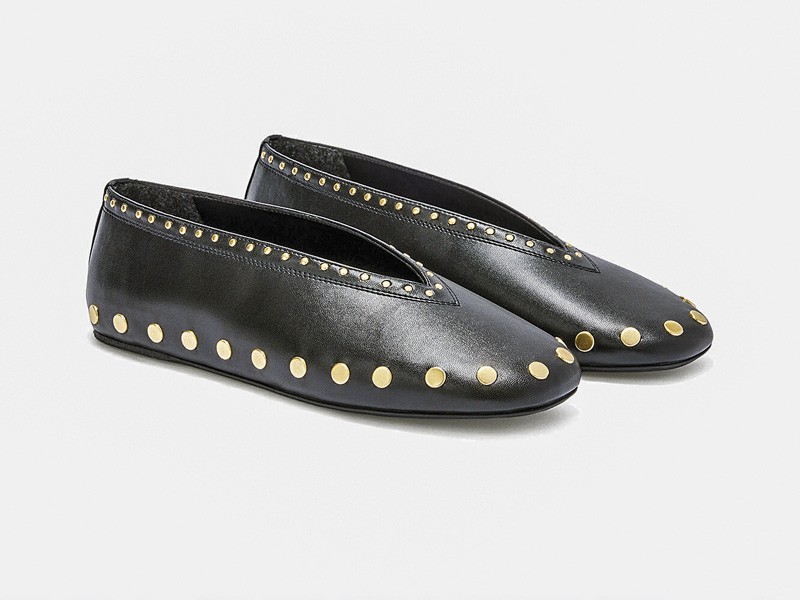
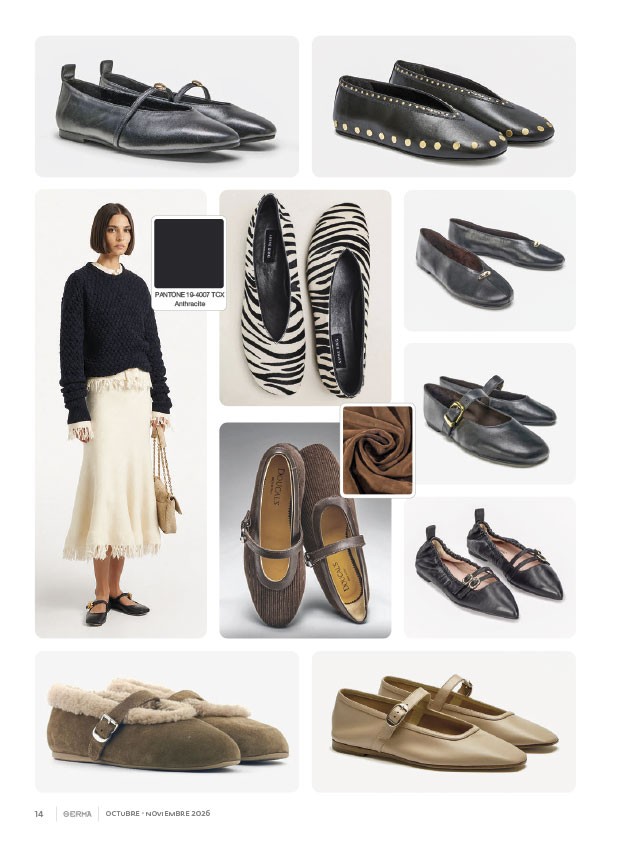
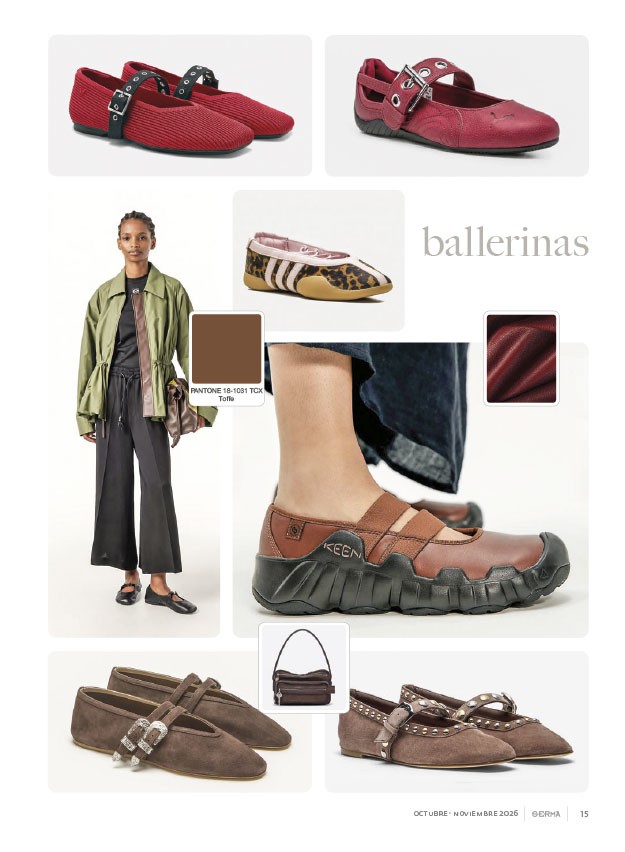
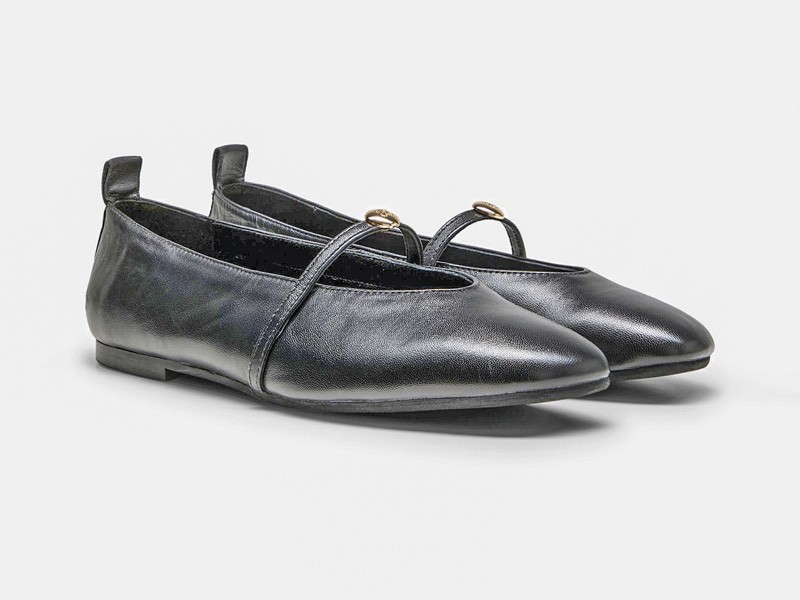
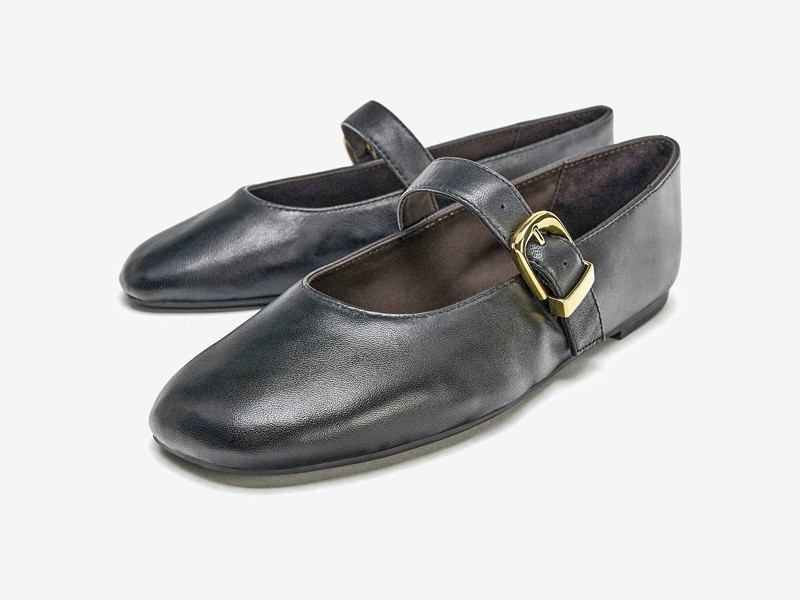
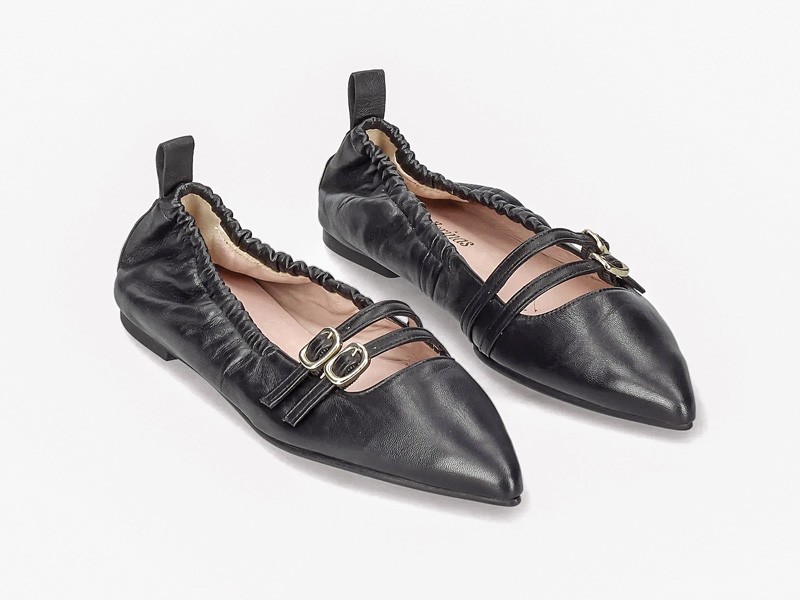
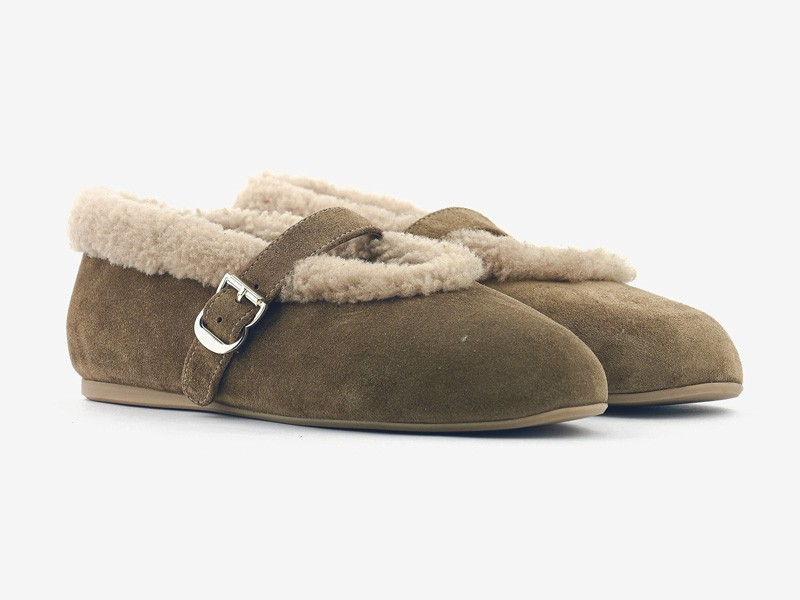
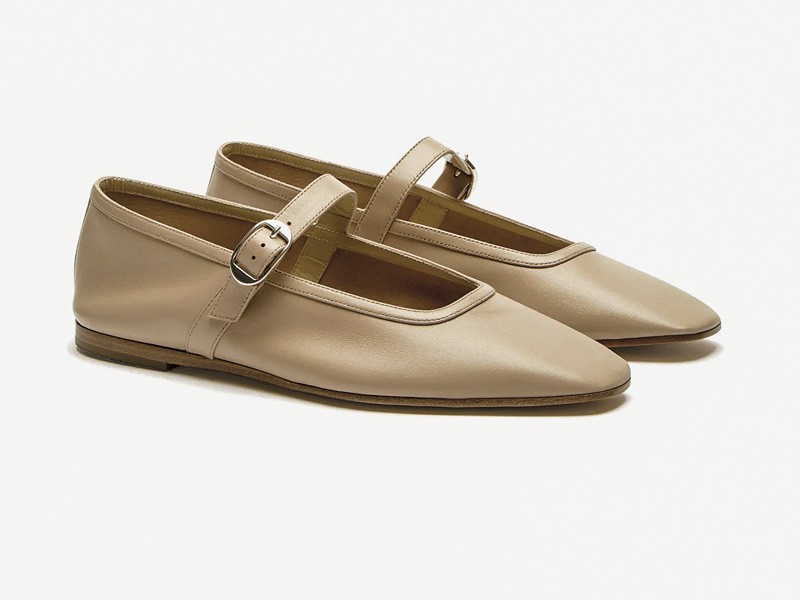
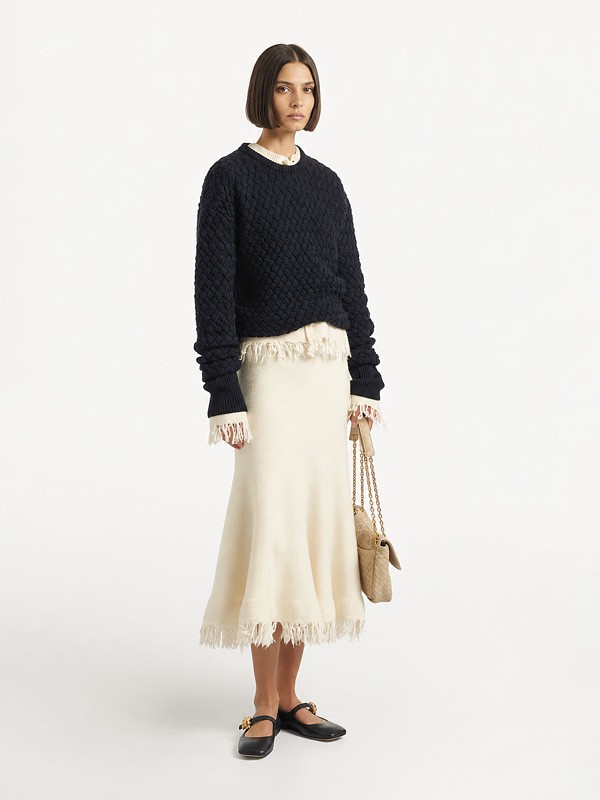
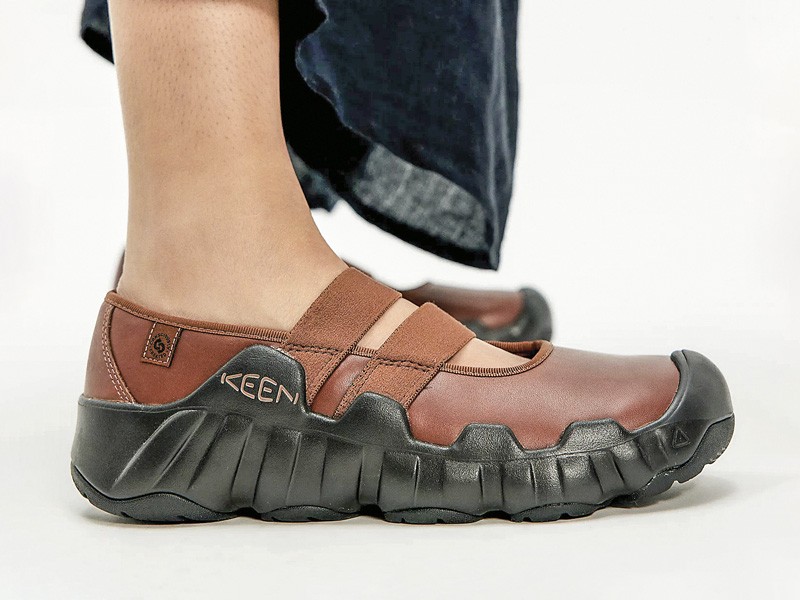
Ballerina flats share a low, closed profile, with an upper that leaves the instep visible to varying degrees. Within that scale, the selection moves between rounded, gently tapered and more angular toe shapes, alongside simple toplines and versions with a cross-strap. Variation stays within the product category: coverage, panel routing and added details change while the overall volume remains restrained. The result is a recognizable footwear family with several points of distinction available to designers and product teams.
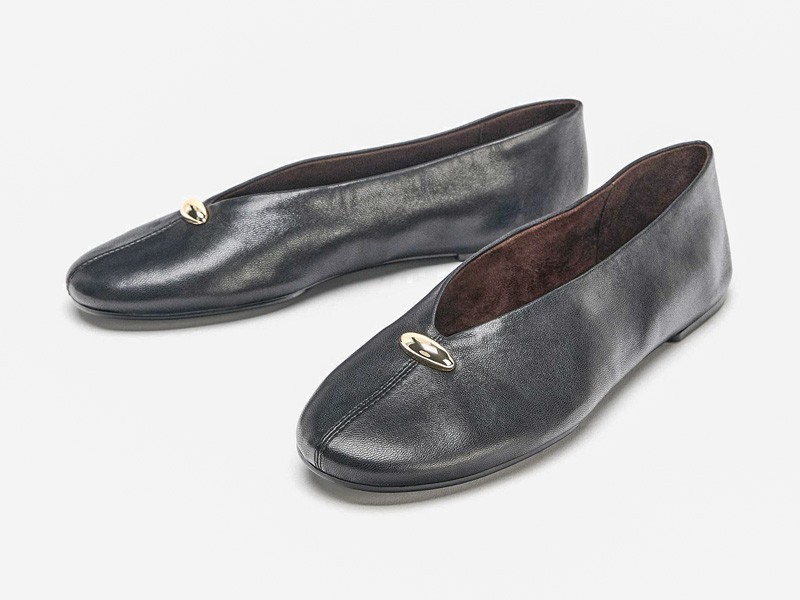
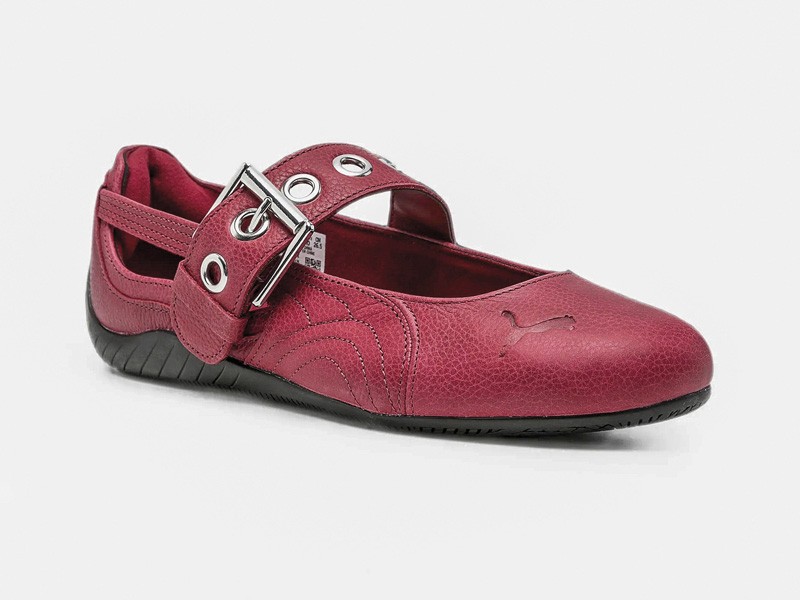
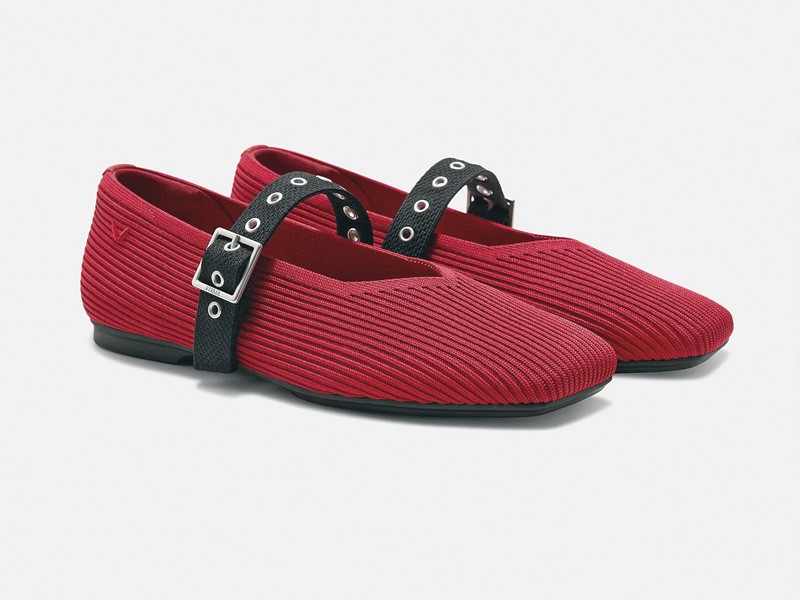
This common base does not lead to a single style reading. Some pairs keep a clean outline that draws attention to the toe and perimeter; others expand the visual area of the upper through straps, crossed bands, buckles and overlays. The selection also places traditional low-profile ballerinas beside designs with a more pronounced visual profile. For product development, this range shows how small changes along the topline can create distinct references without replacing the underlying footwear type. Panel routing also shifts the apparent balance between instep, toe and sides. Product teams can document that relationship with consistent views and reference measurements, while asking suppliers to confirm pattern pieces and assembly details. This provides a clearer basis for comparing samples across color and trim options.
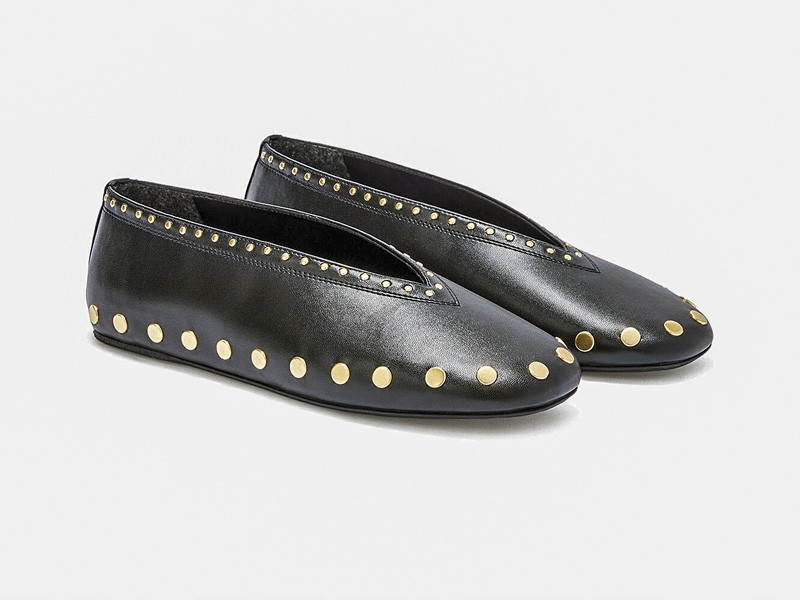
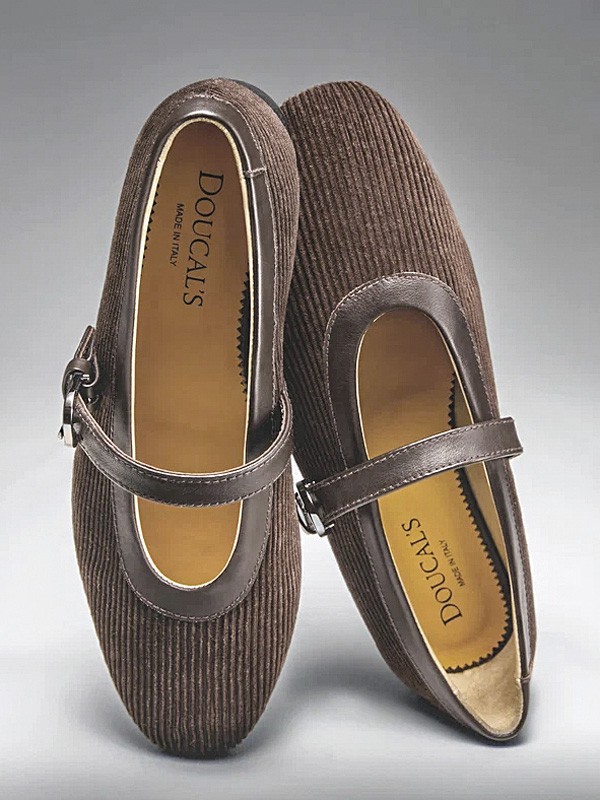
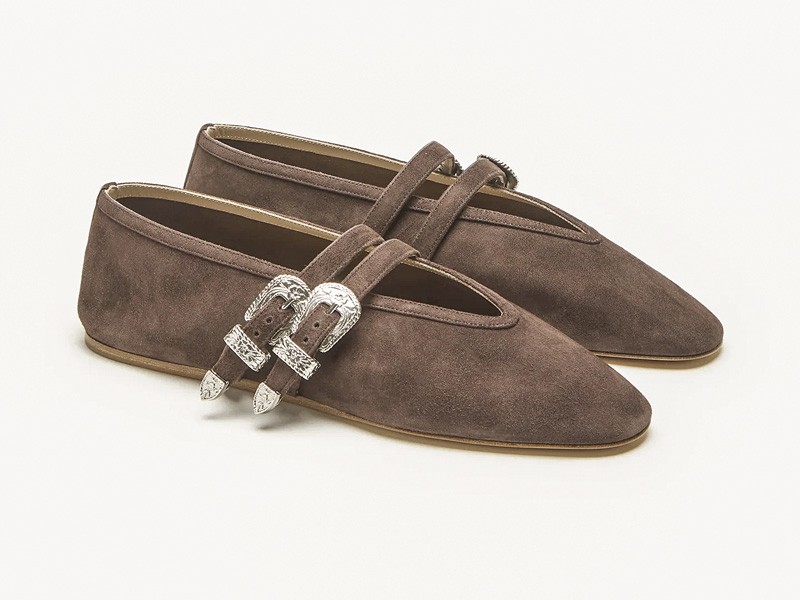
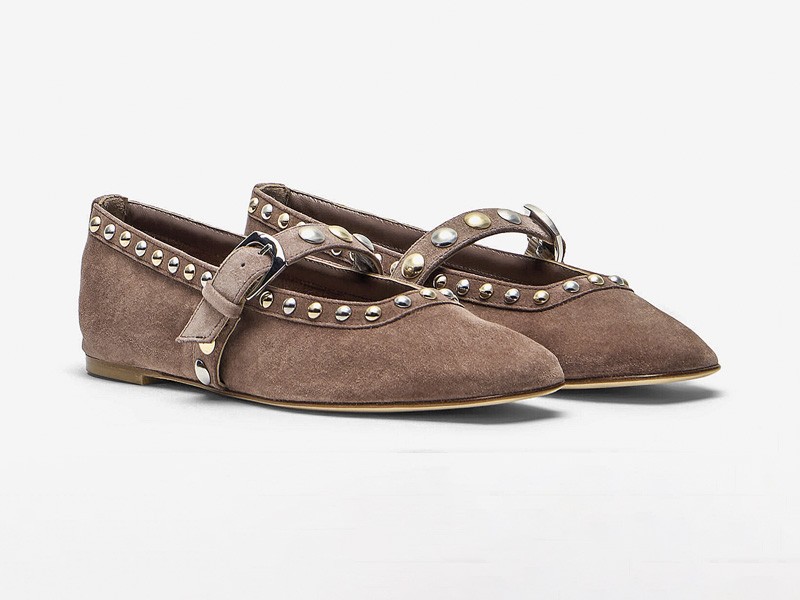
Straps cross the instep in single or paired arrangements and, on some styles, meet visible buckles. On several pairs, rows of metallic-looking dots follow the edge or outline of the panels; elsewhere, the ornament is concentrated in a smaller area. These details create a visual rhythm and mark specific zones of the product. Their fastening or adjustment function cannot be established from appearance alone and should be confirmed in the manufacturer’s technical information.
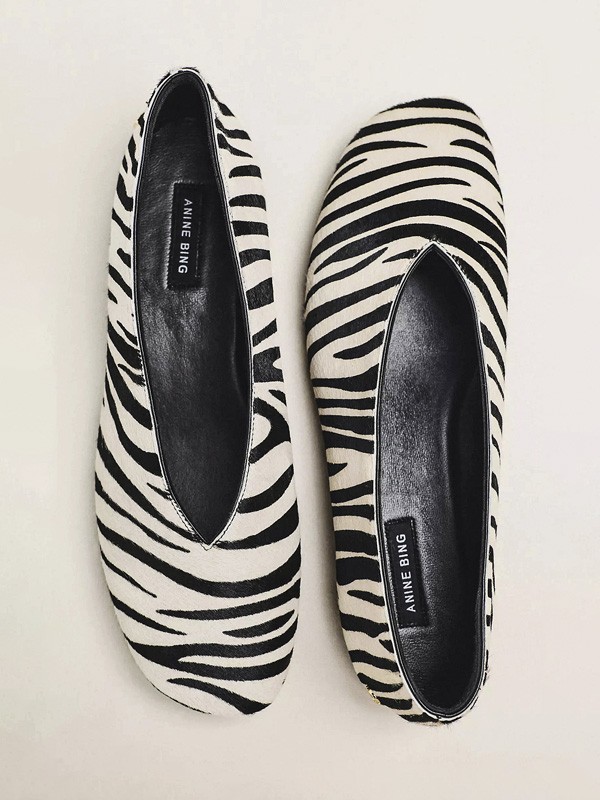
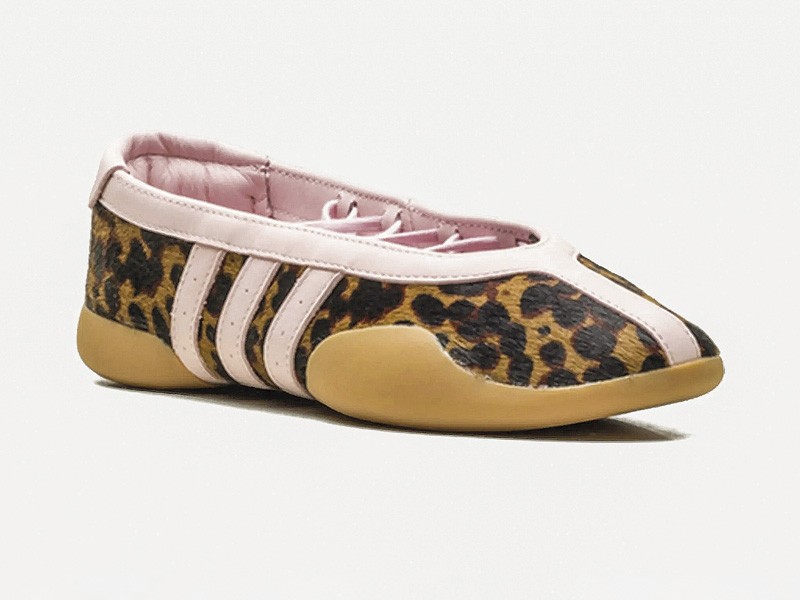
Color adds another point of distinction: red, charcoal, beige, tan and brown appear alongside uppers with animal-like or striped graphics. Contrasts also link the upper to fastening elements, while light or dark edges frame the overall design. Printed color references labeled Anthracite and Toffee provide a guide to the palette, but they do not verify a standard match for each style. Product sheets should identify hue, motif, visible scale and placement separately, with technical specifications confirmed by the supplier.
For component suppliers, a specific commercial opening lies in presenting each option in a clear application: strap width and route, buckle alternatives, ornament placement, edge treatments, available colors and print scales. A comparable product sheet can record the item, color options, declared compatibility with the footwear base, confirmed process and supply conditions. Samples, together with an upper application, help design and purchasing teams assess concrete variants and communicate the proposal more consistently.
Footwear manufacturers and brands can apply the same approach to a capsule or a broader line. One base shape can support plain, contrasting, strapped or patterned references when the verifiable elements and their implications for cost, development and production scale are defined. The visual range suggests an opportunity to segment an assortment by level of intervention, from a clean upper to a style with stronger accessories or graphics. Minimum quantities, lead times, prices and performance claims should be confirmed with each supplier before they enter a sales specification.
Manufacturers and suppliers of ballerina flats, straps, buckles, small ornaments, printed surfaces and color developments can present collections, components and product sheets on SERMA.NET and in SERMA’s digital catalog. Instagram @serma_net and Facebook SERMA can extend visibility through collaborative posts when a specific proposal has visual and commercial value.
Contact: marketing@serma.net | WhatsApp: +54 9 351 394 8656