Indoor mules combine closed toes and open heels

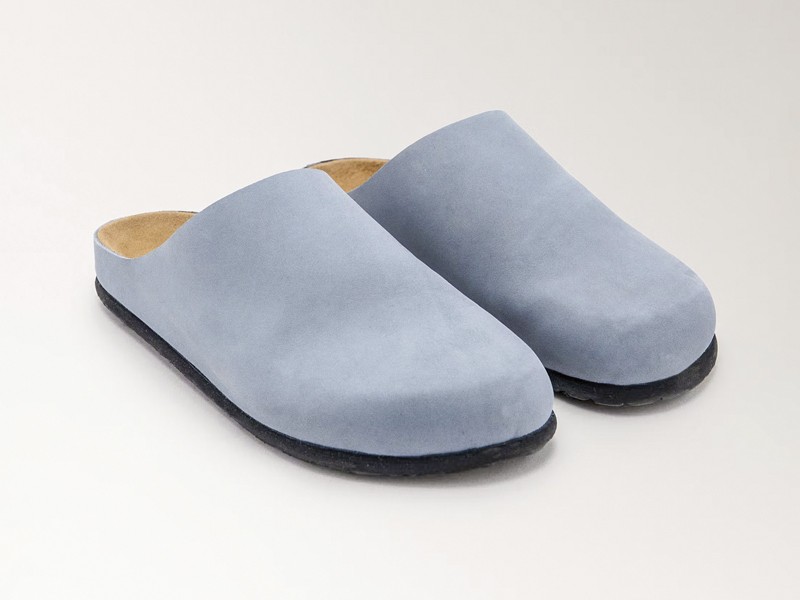
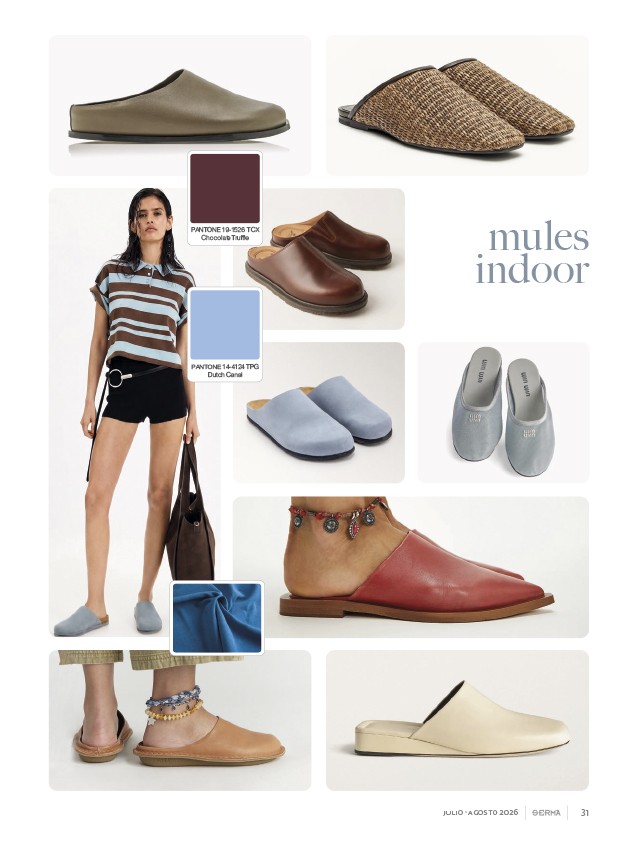
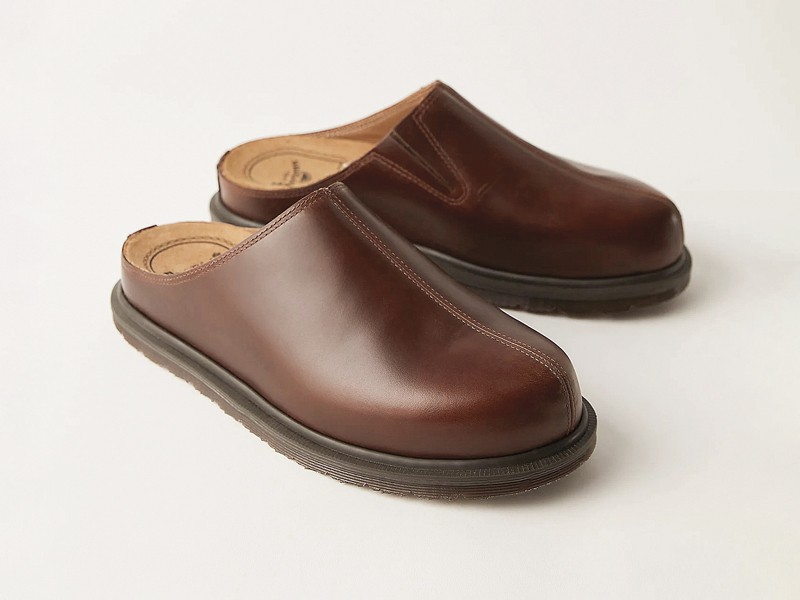
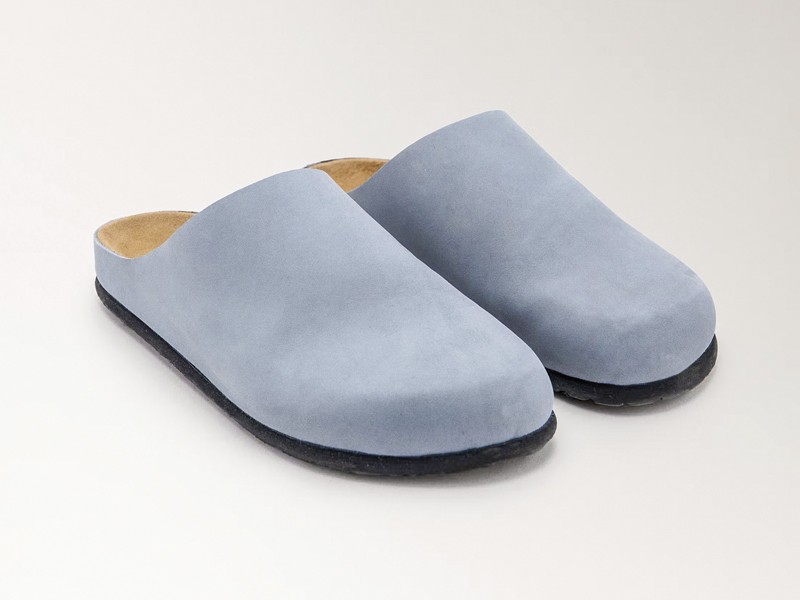
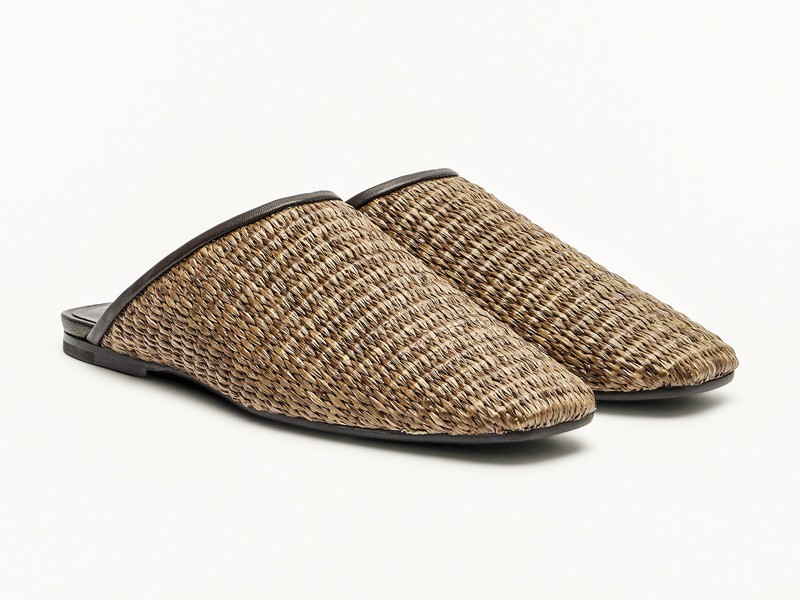
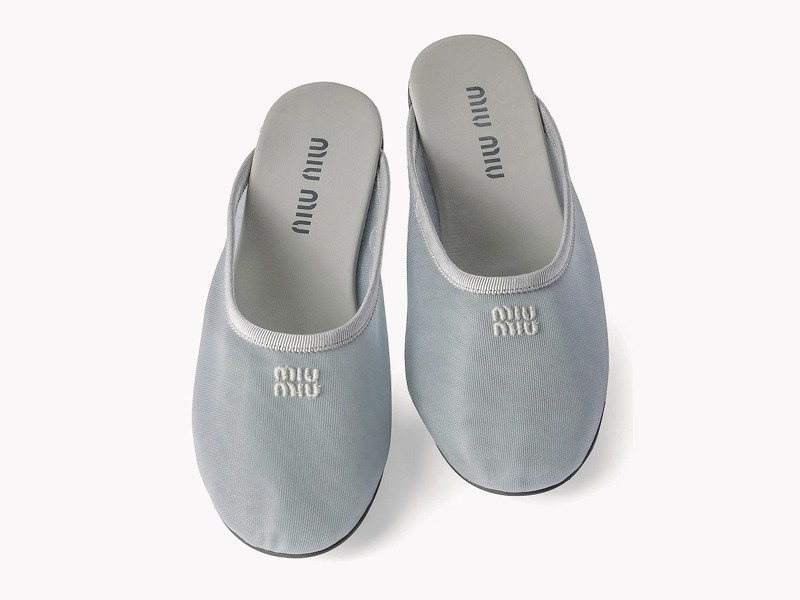
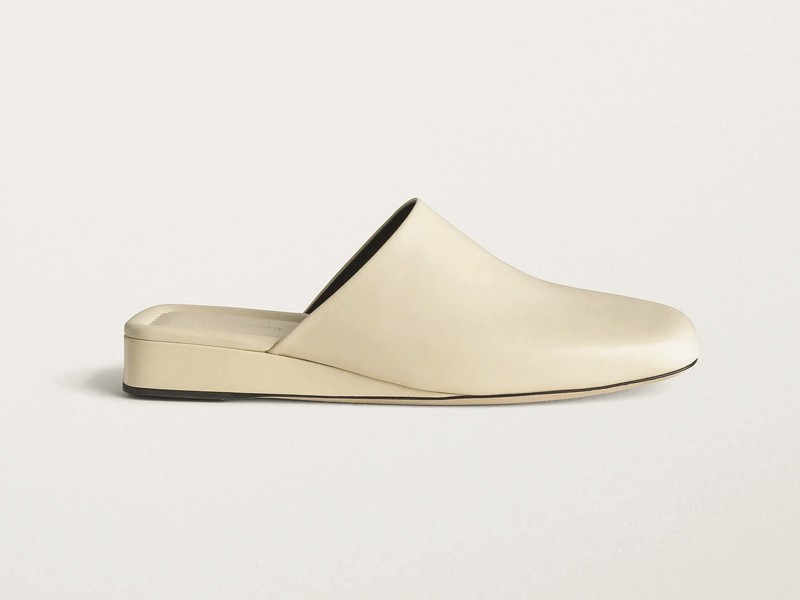
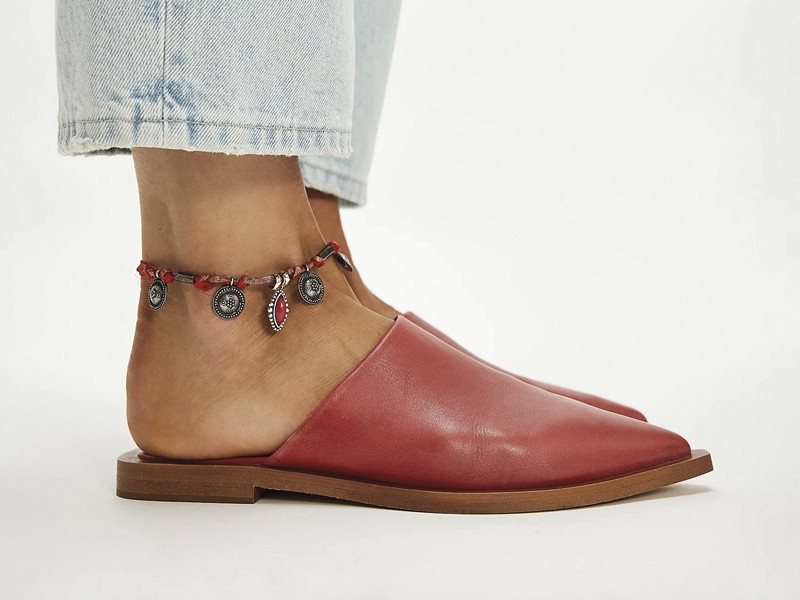
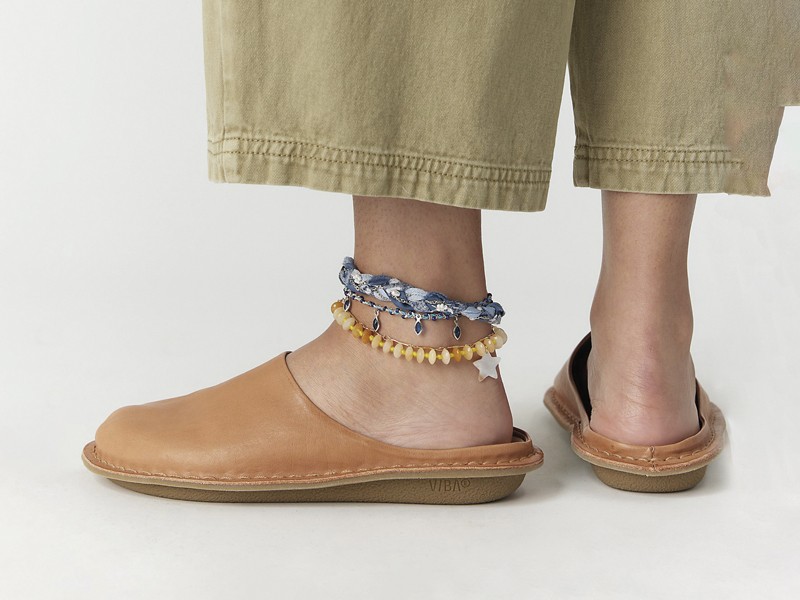
The shared feature is a backless silhouette that keeps the toe and much of the instep covered. Unlike sandals or open-toe slippers, these products read as closed mules: their identity comes from the balance between front coverage and an open back. Some versions present higher, more enveloping openings; others reduce the side height or refine the toe, creating different levels of presence without altering the basic wearing logic.
The indoor designation positions interior use as the starting point. The open heel and continuous upper create a reading associated with practicality and comfort, but they do not establish anatomical or technical performance on their own. The group includes slipper-adjacent proposals, minimalist-looking models and alternatives with edges, soles and proportions associated with street footwear. This breadth creates an aesthetic transition between settings, subject to the actual construction of each product.
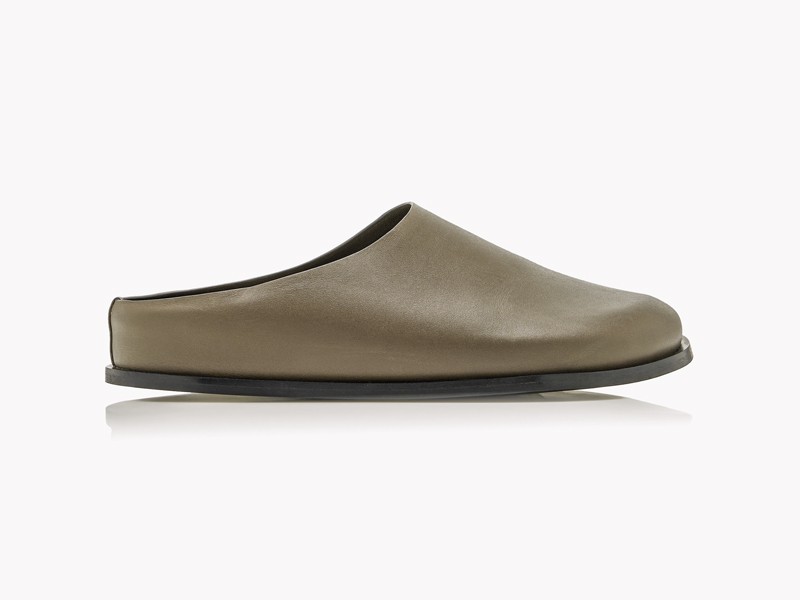
The exterior surface moves the product from clean to tactile readings. Smooth finishes, soft appearances, visible grain and one interwoven-looking version are present. The exact material cannot be determined from appearance, so the analysis must refer to visual effect rather than composition. On smooth uppers, the overall form remains more exposed; in the textured proposal, the surface pattern takes the lead and contrasts with a thin, dark sole unit.
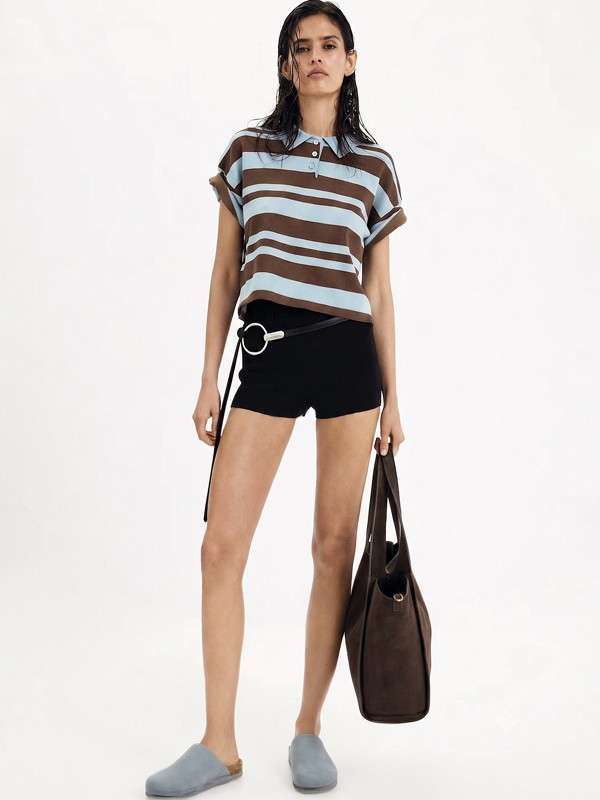
The palette combines muted olive, chocolate brown, grayish blue, gray, beige, tan and earthy red. The visible Pantone 19-1626 TCX Chocolate Truffle and Pantone 14-4124 TPG Dutch Canal references reinforce two directions: one dark and warm, the other cool and desaturated. For collection planning, these colors separate neutral staples from chromatic accents while preserving a restrained reading. Red adds focus; chocolate deepens volume; blue and gray reduce contrast; and lighter tones emphasize continuity between upper and base.
The bottoms include very low profiles, dark edges, moderate-thickness soles and a light-colored alternative with greater rear volume. This variety changes the indoor mule's relationship with its context of use. A thin, continuous base sustains a light domestic reading; a more defined edge or sole moves the product visually closer to casual lines. This reading does not replace verification of durability, grip or outdoor suitability, which depends on specifications that are not available.
For manufacturers, the opportunity lies in organizing development by level of coverage, toe shape, side opening, base height and surface treatment. Suppliers can contribute upper materials, linings, footbeds, lasts, sole units and finishes while communicating only verified compositions and performance. Brands can create families that share a visual language and palette, separating indoor versions from others whose construction has been validated for mixed or outdoor use.
Manufacturers of closed mules and suppliers of uppers, linings, footbeds, lasts, sole units and finishes can present collections and solutions through SERMA.NET and SERMA's digital catalog. Because of their visual value, product, color or component launches can also be amplified through content on Instagram @serma_net and Facebook SERMA, including collaborative posts with sector companies when there is a concrete proposal to communicate.
Contact: marketing@serma.net | WhatsApp: +54 9 351 394 8656