Casual lace-ups with mixed matte materials

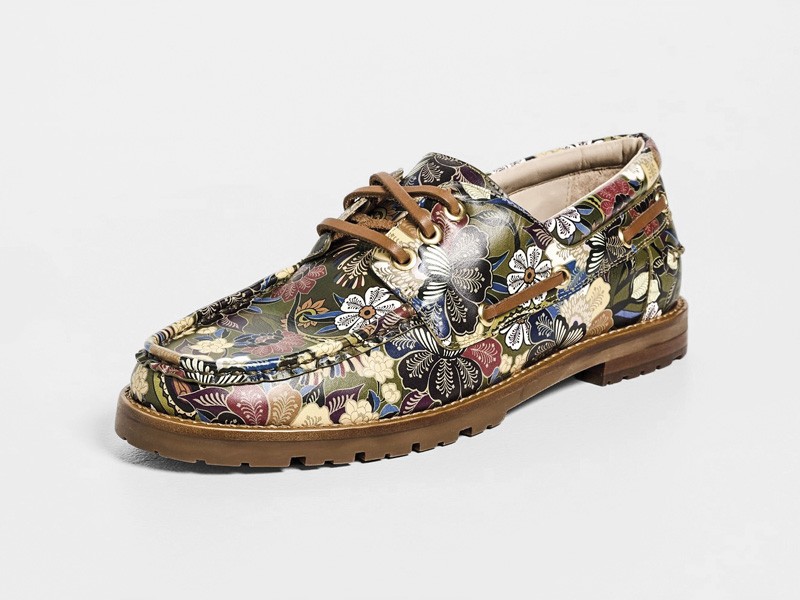
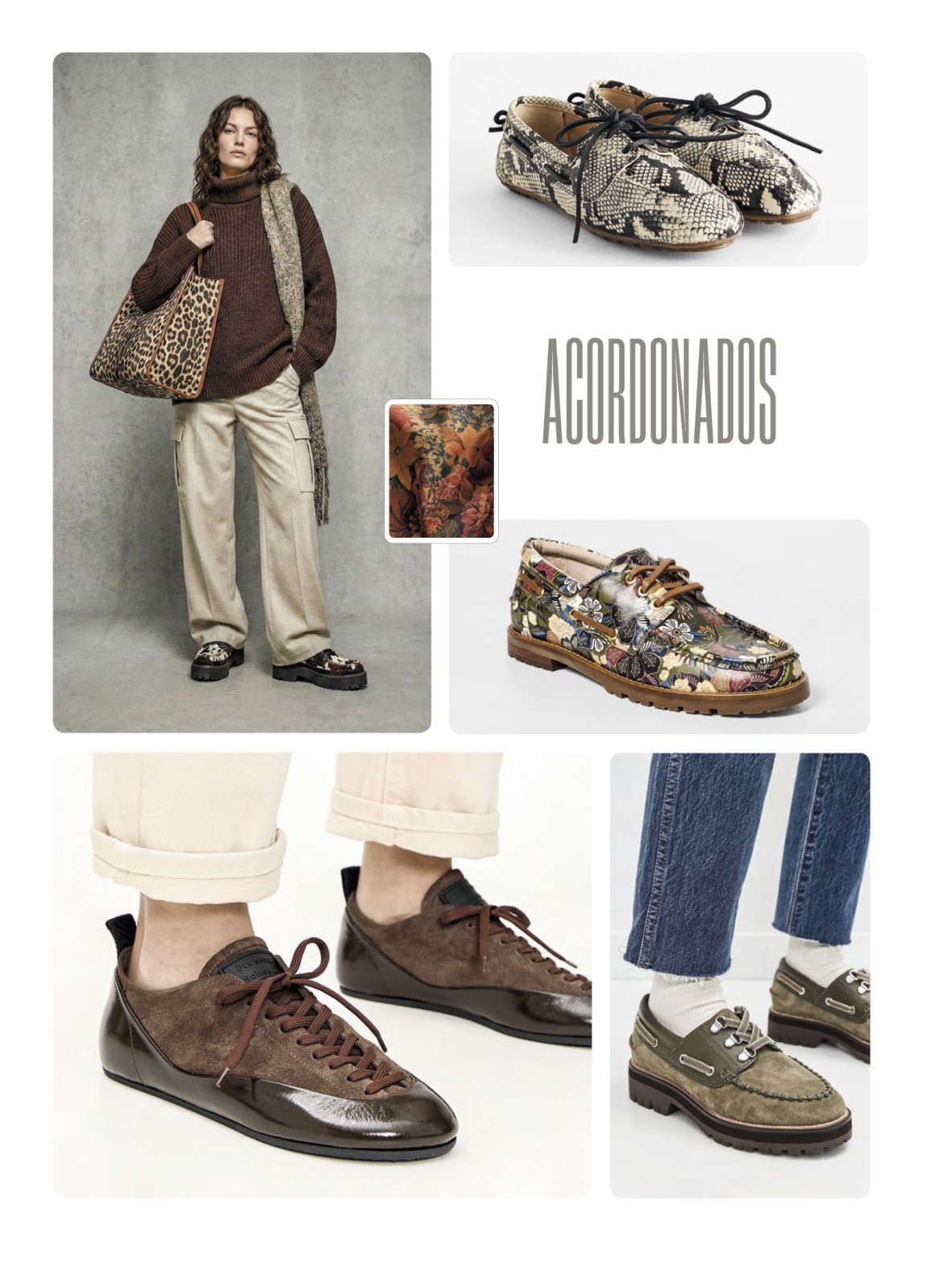
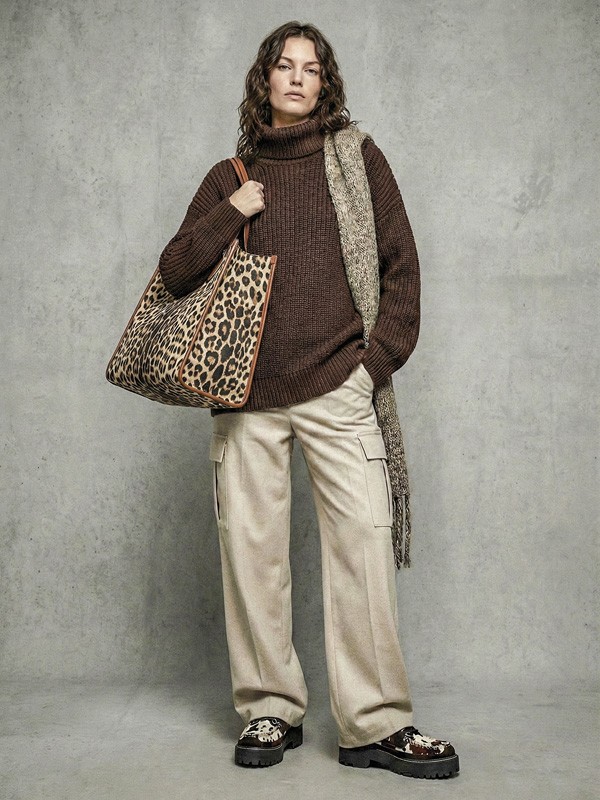
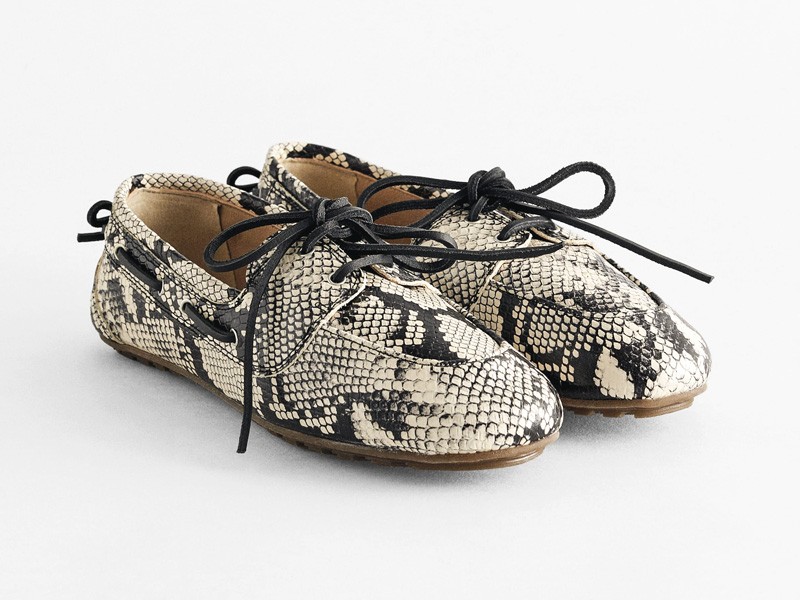
Lace-up shoes remain a transversal base within urban footwear, ranging from clean profiles to panel-built versions with more present soles. Lacing continues as a functional closure and as a device that organizes upper structure.
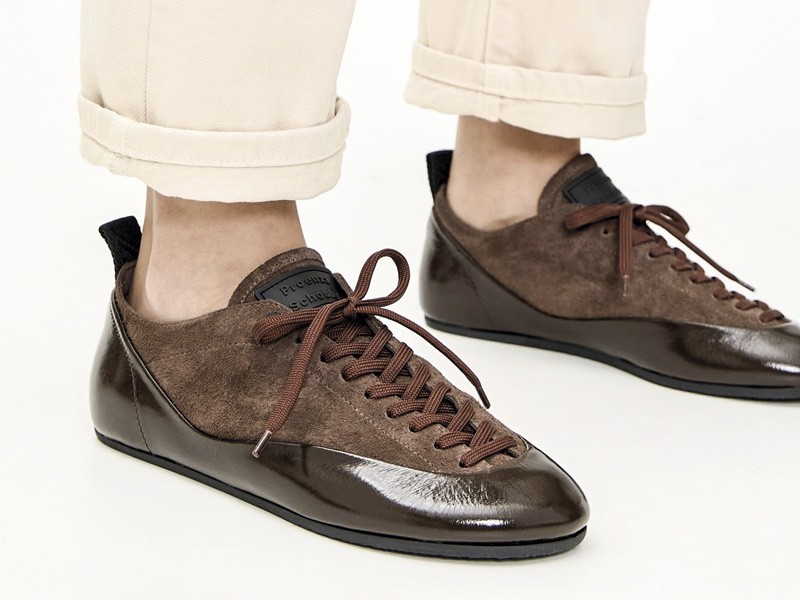
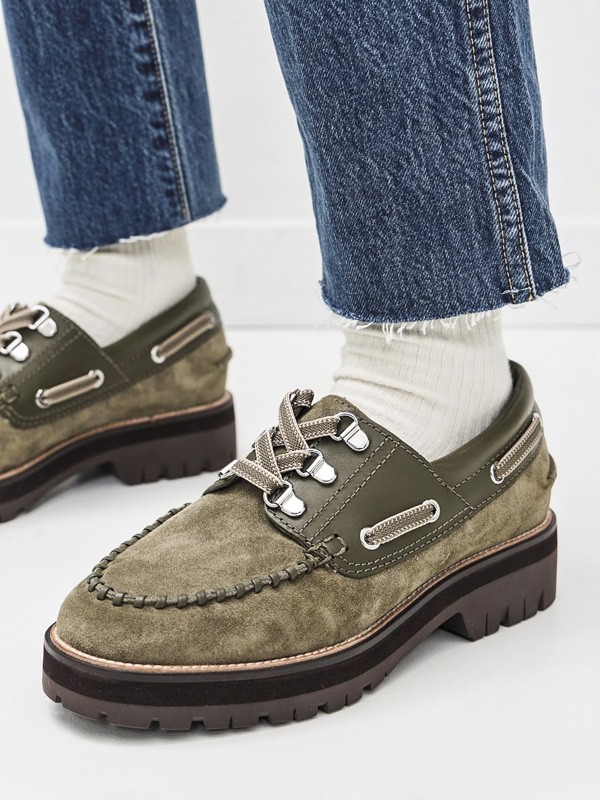
Materials mix smooth leathers, suedes and options with printed or graphic surfaces. Paneling supports texture and tone contrast without changing the core pattern. Some styles lean classic, using larger pieces and discreet stitching; others fragment construction and add reinforcements for a more utilitarian reading.
Outsoles vary from thinner bottoms to thicker traction designs. This shift moves lace-ups toward a technical casual for the city while keeping a shoe identity. Industrial control points include outsole bonding, heel stability and forefoot flex. When mixing suede and leather, cutting uniformity and color consistency are critical to avoid visible differences between pairs.
As a collection strategy, lace-ups support series by material and by sole: the same base can build a wide product range. For suppliers, this creates demand for matte leathers, stable suedes, laces and outsoles at different heights. Final technical differentiation depends on vamp comfort, stitching durability and coherence between upper and outsole materials.