Eggplant Unifies Footwear Across Distinct Profiles

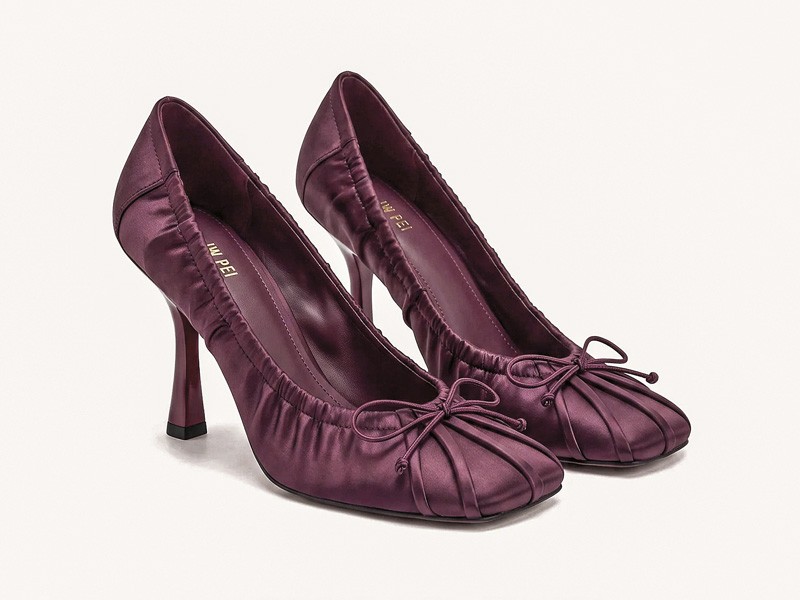
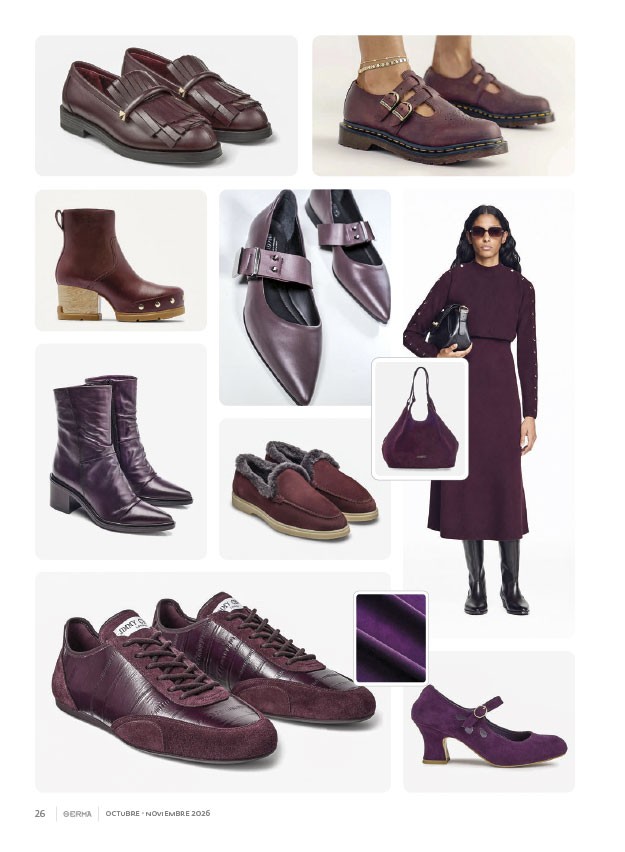
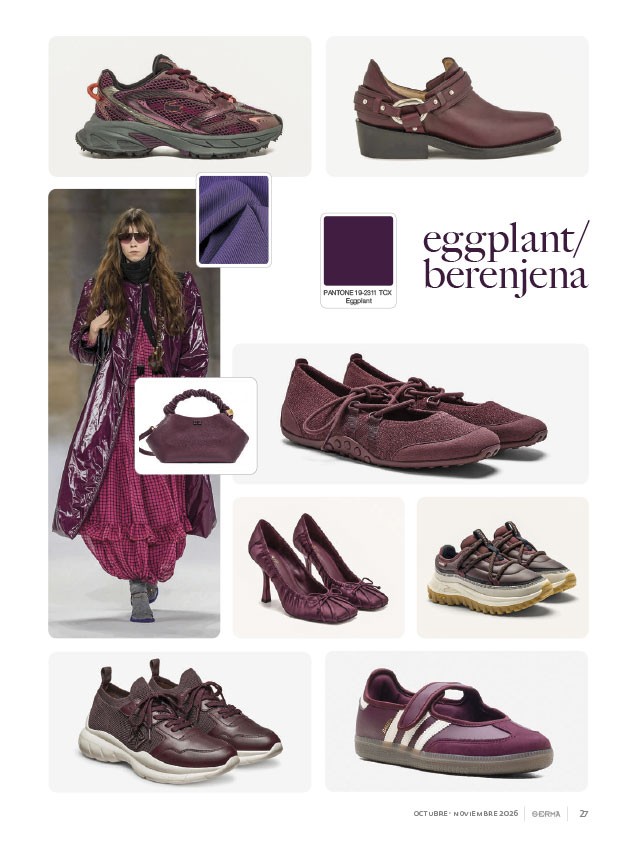
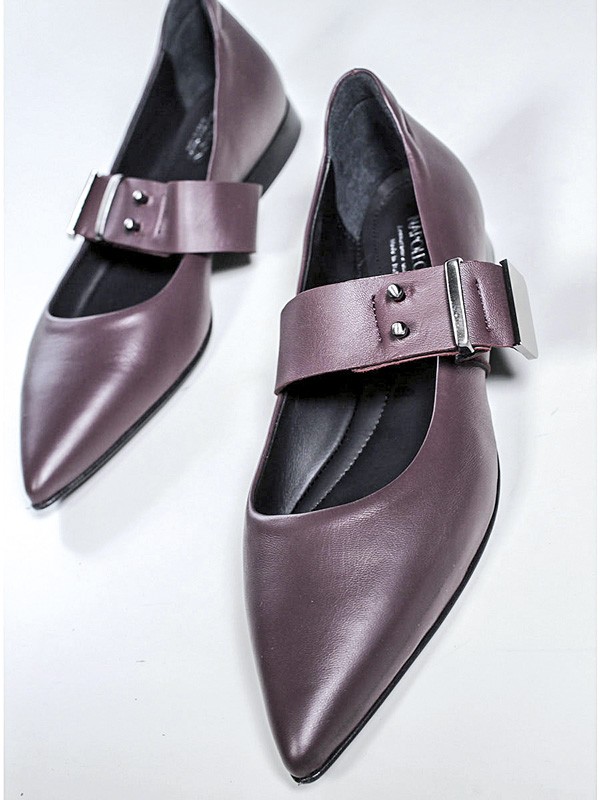
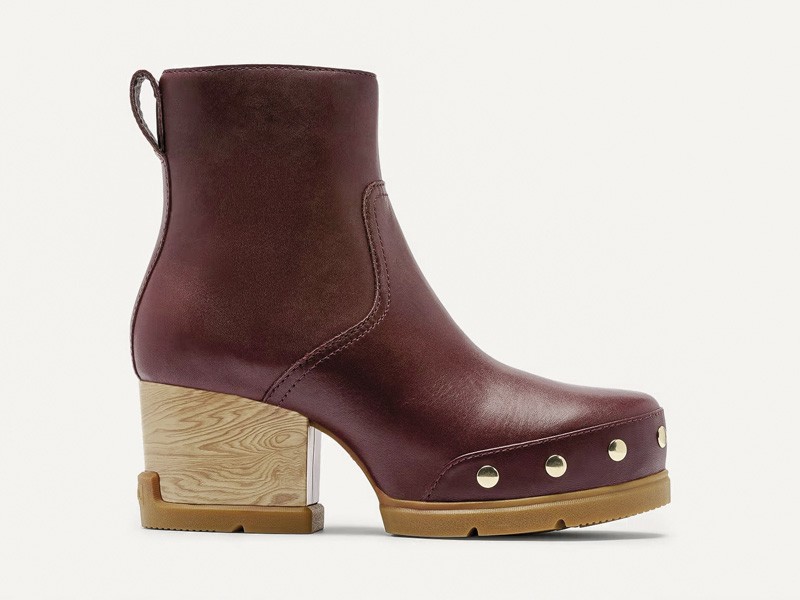
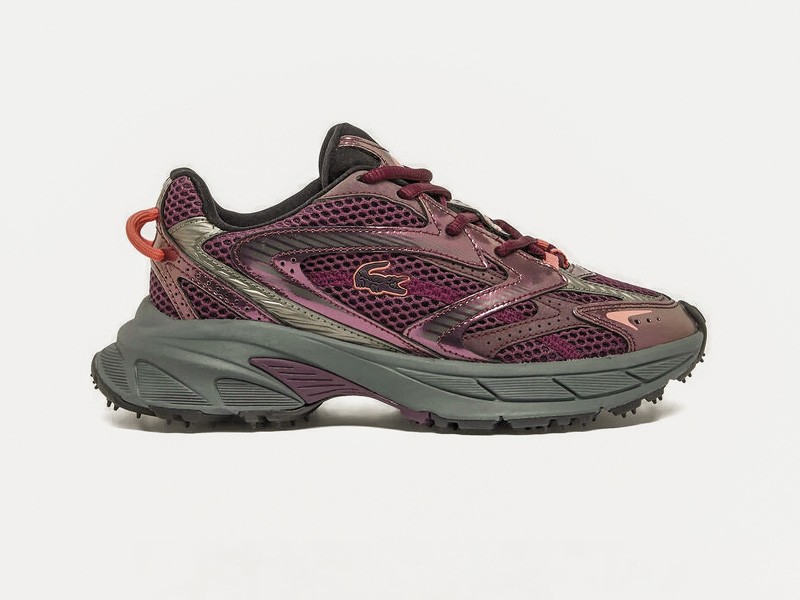
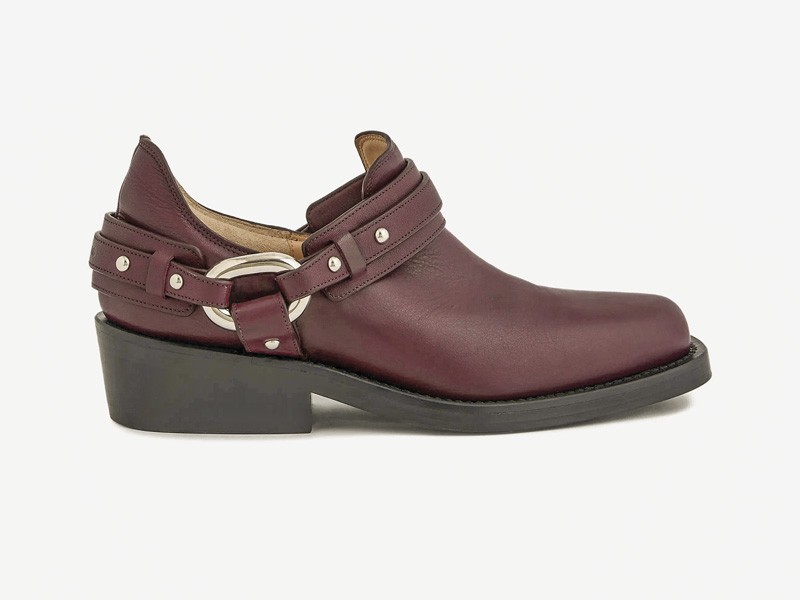
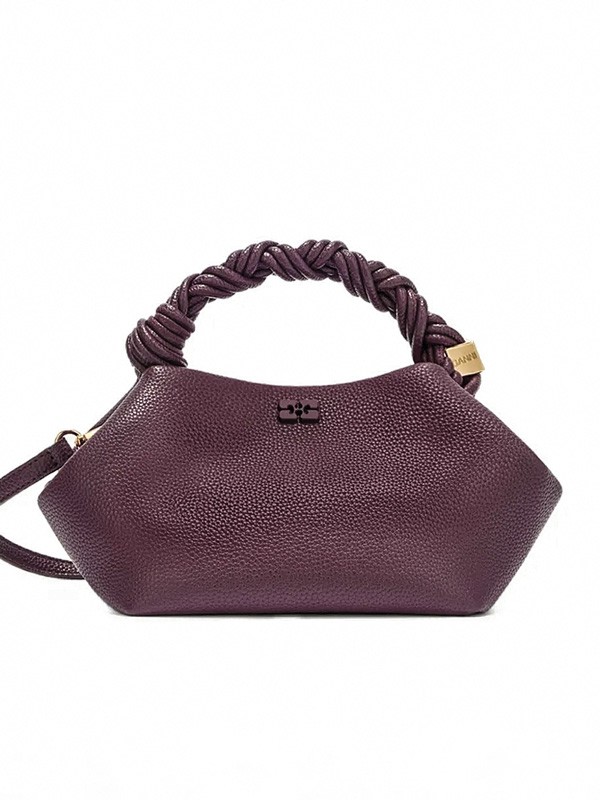
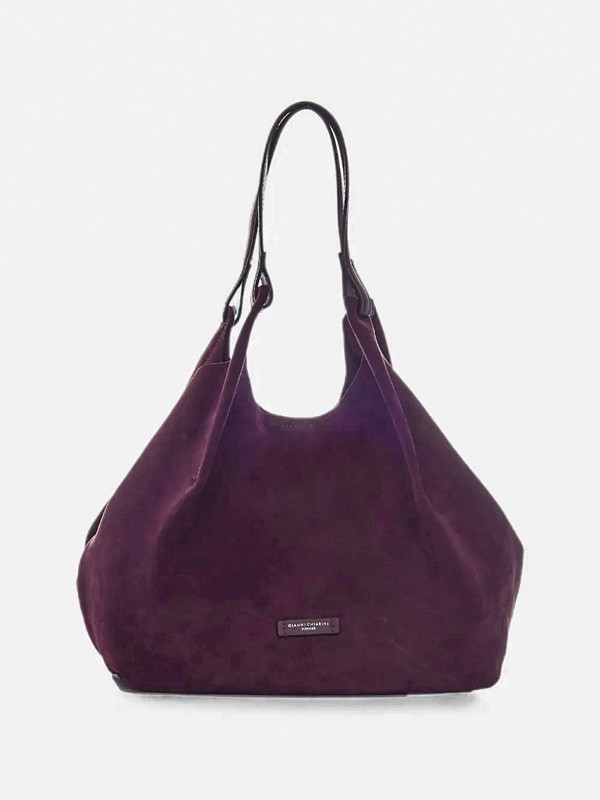
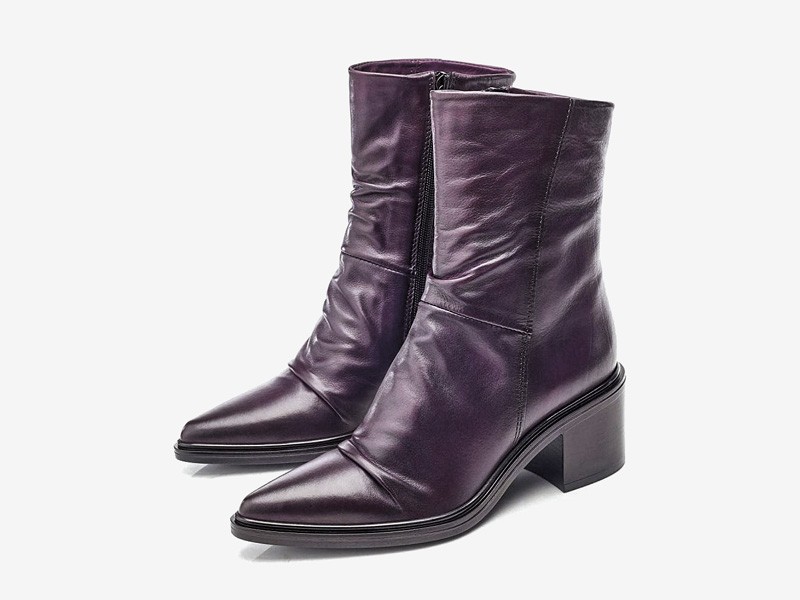
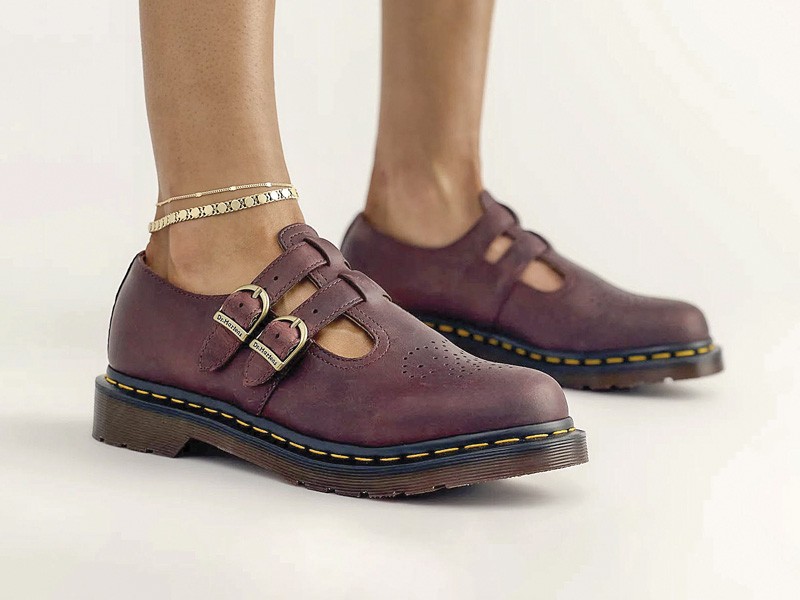
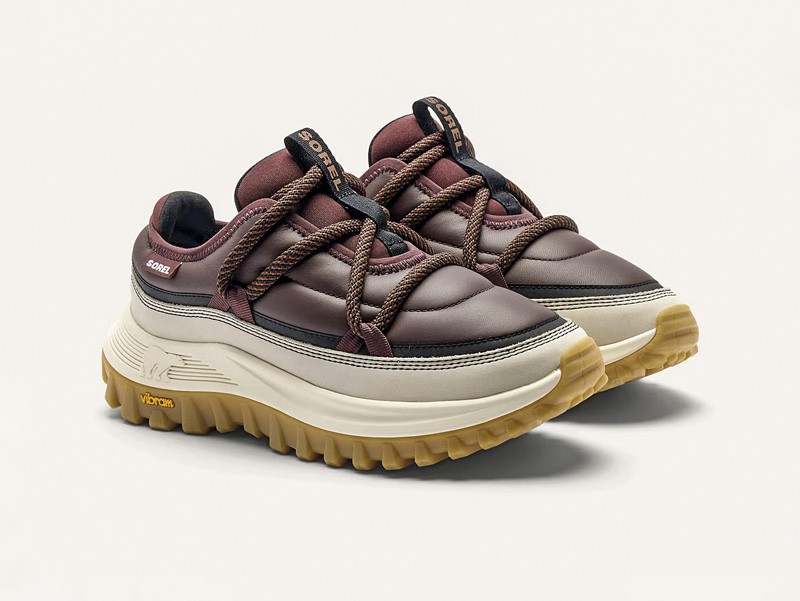
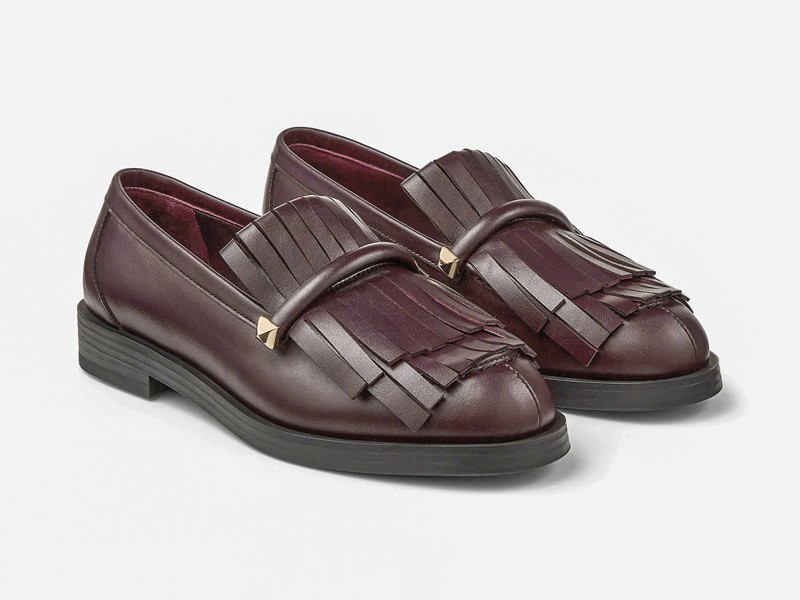
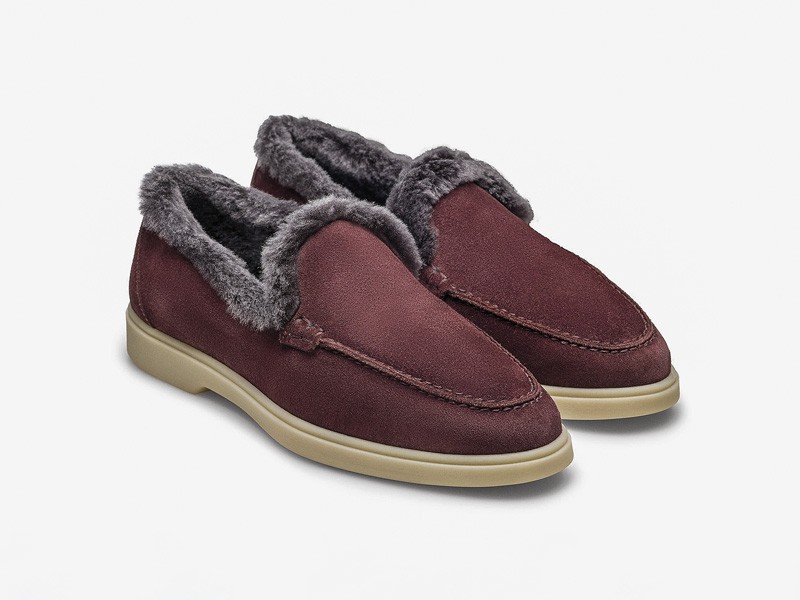
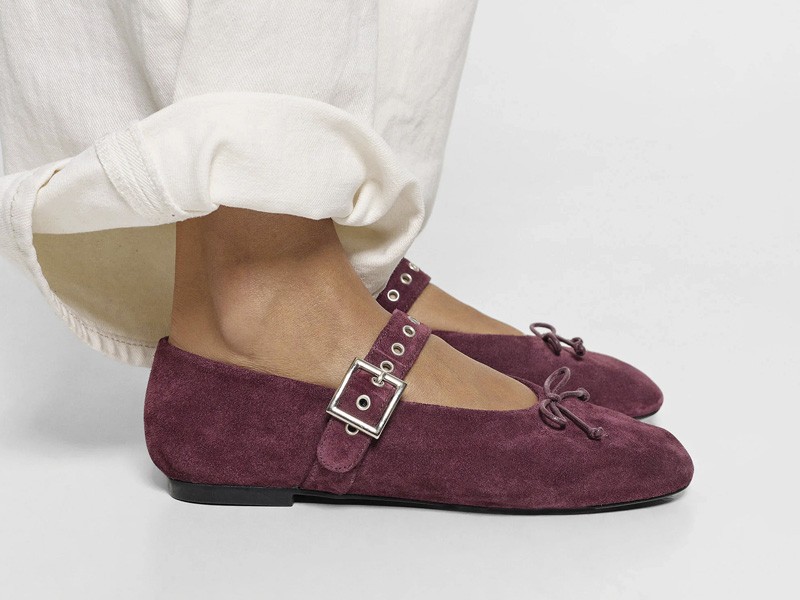
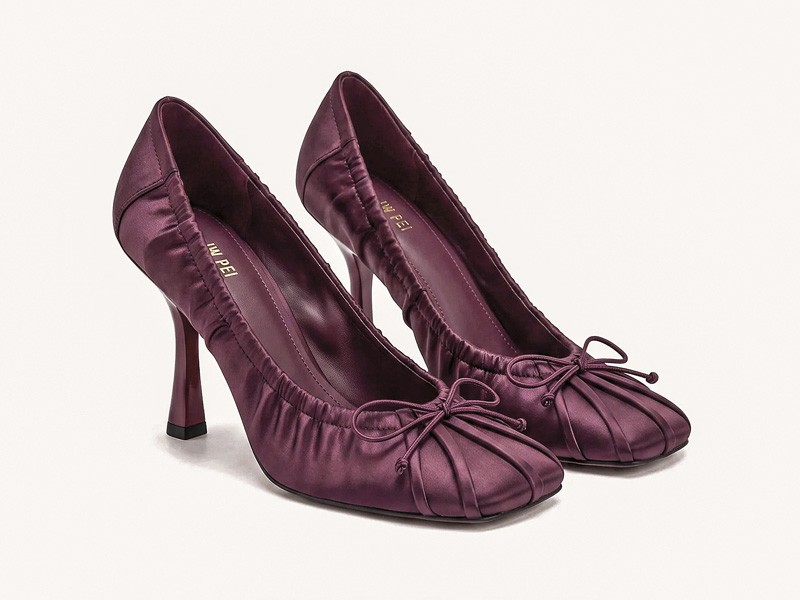
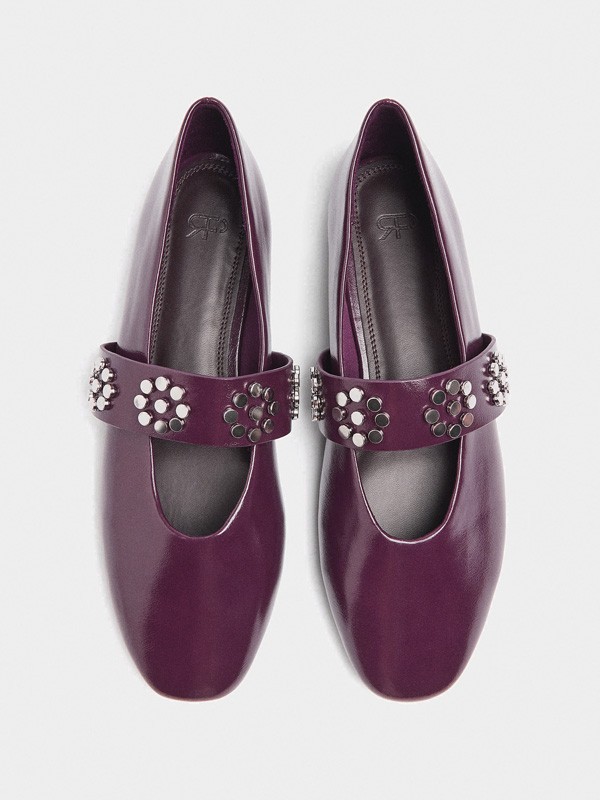
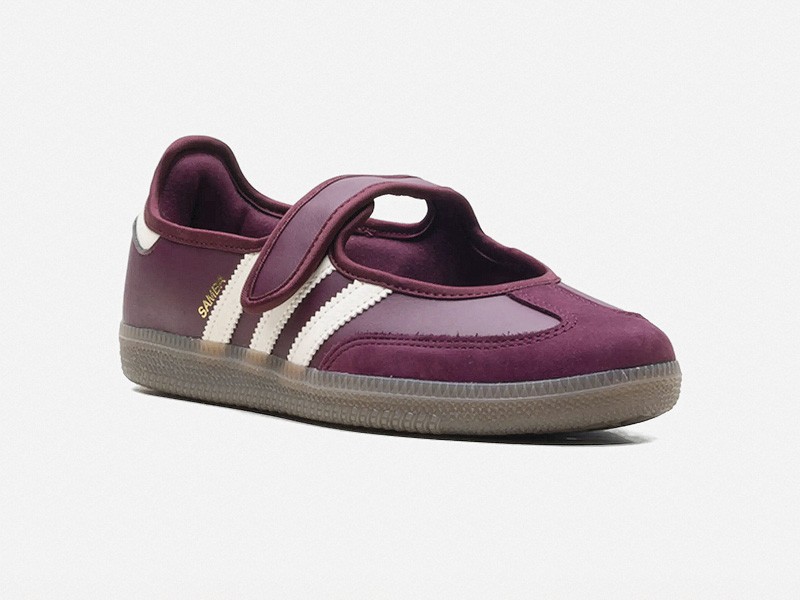
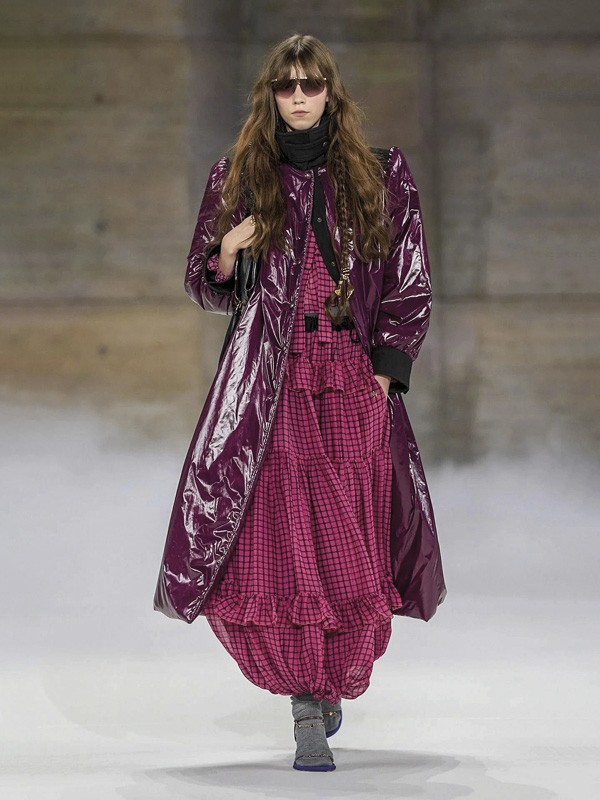
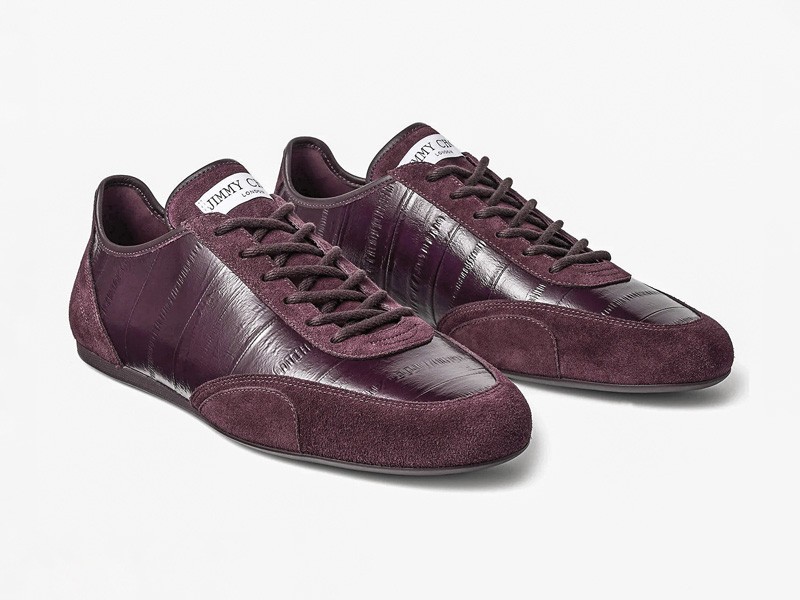
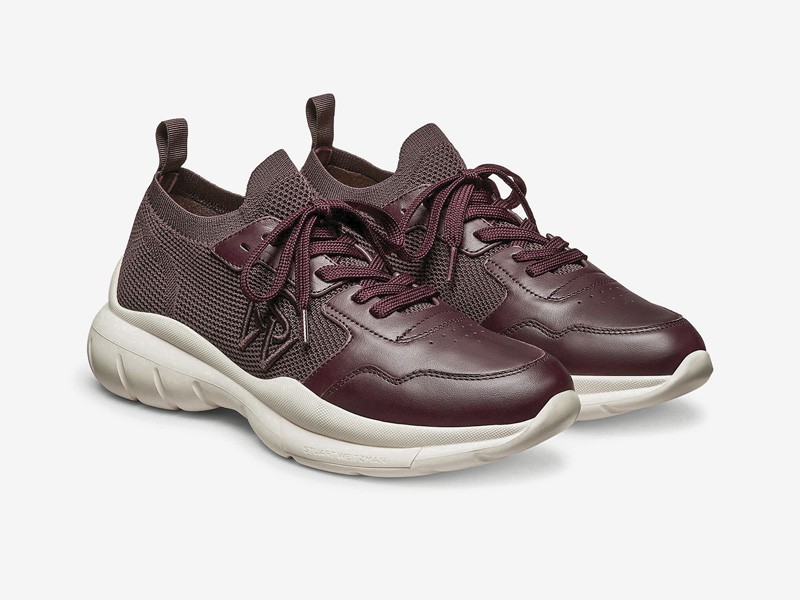
Eggplant runs across a broad product selection: loafers, buckle shoes, ankle boots, tall boots, lace-up styles, urban sneakers and a bag. The range is unified not by a single footwear type, but by the repeated use of a deep shade across different shapes and proportions. Color therefore acts as a link between product families while allowing each model to retain its own identity.
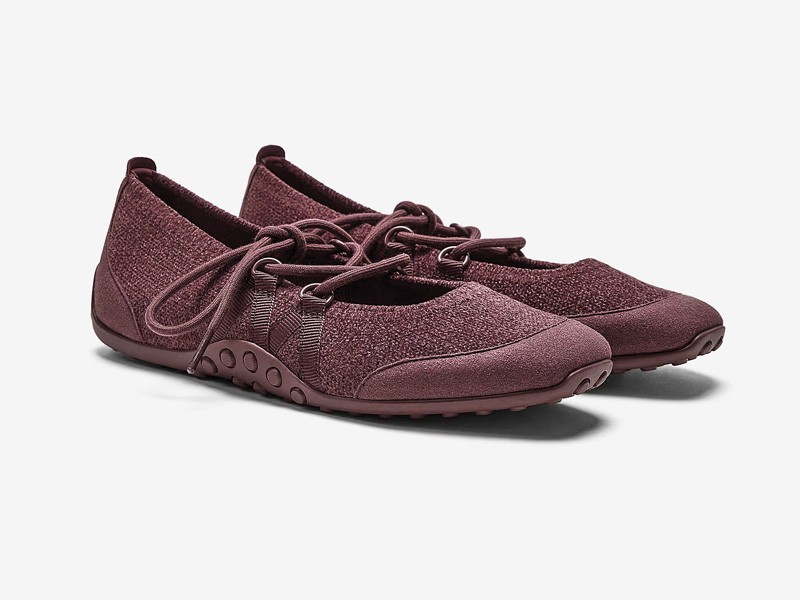
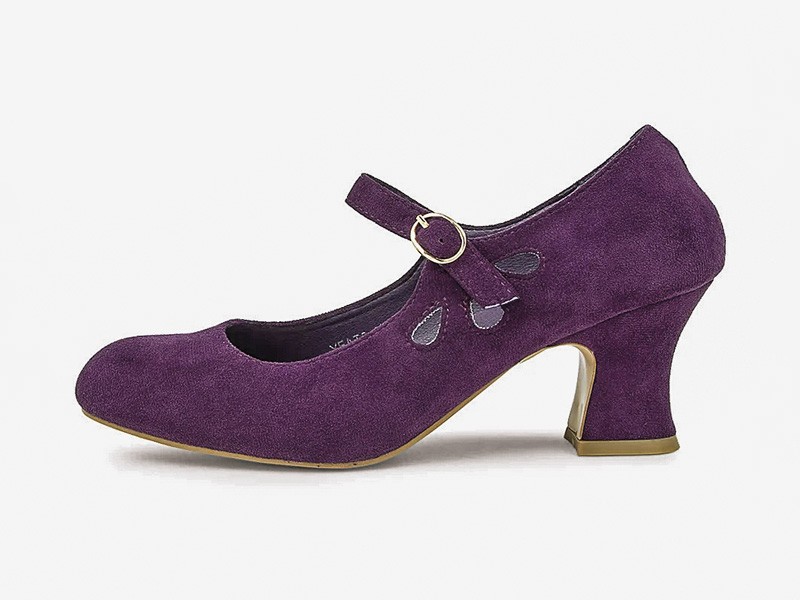
Low shoes include closed vamps, laces or visible fastening details; on boots, shaft height and heel shape change the color’s visual presence. Sneakers bring fuller profiles and combinations of panels, while other models keep a more restrained outline. The bag extends the same color reference into leather goods. Together, these examples show how one shade can visually connect distinct products within a collection.
The selection alternates smooth-, glossy-, matte- and textured-looking surfaces, as well as areas that appear to combine different materials. Some products have a uniform surface; others introduce changes through stitching, panels and overlapping pieces. Eggplant appears on both single-color products and sneakers with contrasting accents, allowing the shade to work across different levels of visual detail.
Visible construction details include buckles, straps, laces, stitching, edges and differences in sole and heel height. These elements organize each product, although the images do not confirm materials, internal components, processes or performance. The “Eggplant” reference printed on the page identifies the color name; this article treats eggplant as the visual focus and describes only its application. Suppliers can present color cards, samples and finishes alongside separately documented technical data.
For brands and manufacturers, bringing several footwear types together under one shade can help a collection read as a whole and broaden assortment planning. The selection shows the color moving from dress shoes and loafers to boots and sneakers, and also into accessories. This continuity sits alongside differences in silhouette, height and detail, so each product keeps a distinct visual profile.
The opportunity for suppliers is to offer eggplant in comparable options for different applications: smooth or textured-looking surfaces, varying degrees of shine and coordinated components. Design, modeling and purchasing teams can request identified samples and check color consistency across materials and batches without treating appearance as proof of composition or performance. Brands can organize the presentation by product type and contrast level, then decide which products share the shade as a base and which combine it with other colors. This makes the visual proposal a practical point of discussion among design, development and sourcing teams. A concise record of the color reference, apparent finish and intended use can help teams compare samples during collection planning. It also gives suppliers a clear basis for presenting coordinated options across footwear and accessories, while technical attributes remain tied to their supporting documentation. The record can also help teams follow the selected shade across product groups as samples move from design review to purchasing. Clear sample identification keeps color coordination practical and supports precise supplier conversations. Teams can retain the same reference when reviewing later samples or coordinating accessories with footwear.
SERMA.NET provides spaces for footwear and leather goods manufacturers, brands and suppliers to present their work to a professional audience. Companies with color ranges, surfaces or components in eggplant shades can showcase their options in the digital catalog and consider collaborative posts when they have images and verifiable specifications. Learn more on Instagram @serma_net and Facebook SERMA.
Contact: marketing@serma.net | WhatsApp: +54 9 351 394 8656