What are SLIM soles?

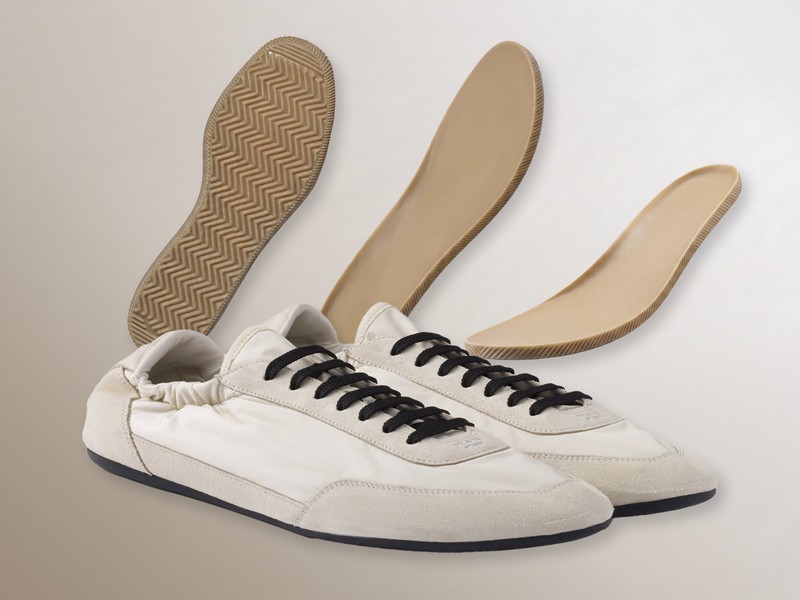
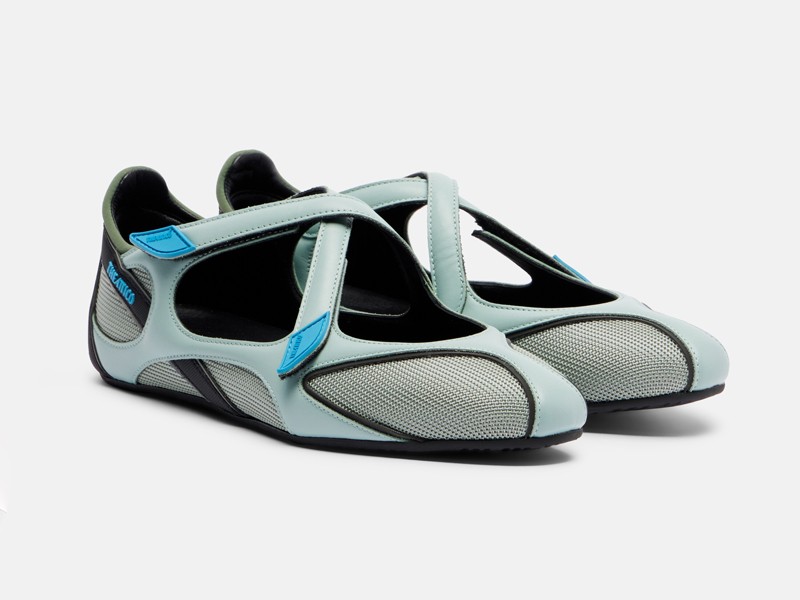
“Slim” soles represent the opposite of the chunky or voluminous platform trend that dominated past seasons. In today’s fashion footwear, they are defined by an extremely flat, minimalist and refined profile.
By extension of the concept of “slim” or “skinny,” the term also applies to different footwear styles that use these soles, such as ballerina flats, sneakerinas, sneakers, retro athletic shoes, sandals, moccasins and others.
Below are the details of their main characteristics, materials and why they are shaping design direction in 2026:
• Minimal thickness: They usually range from 3 mm to 8 mm in thickness. The idea is for the sole to be almost visually imperceptible, allowing the upper to take center stage.
• Straight or rounded edge: The edge finish is usually very clean. In luxury footwear, the goal is an artisanal finish in which the sole appears as a natural extension of the upper.
• Structures: In addition to flat and smooth versions, some designs include a slight heel or wedge, or small lifts at the toe-end, heel and shank. Outsole textures vary.
• Anatomical silhouette: Because they are so thin, they often follow the shape of the foot arch, giving a more stylized and lightweight look.
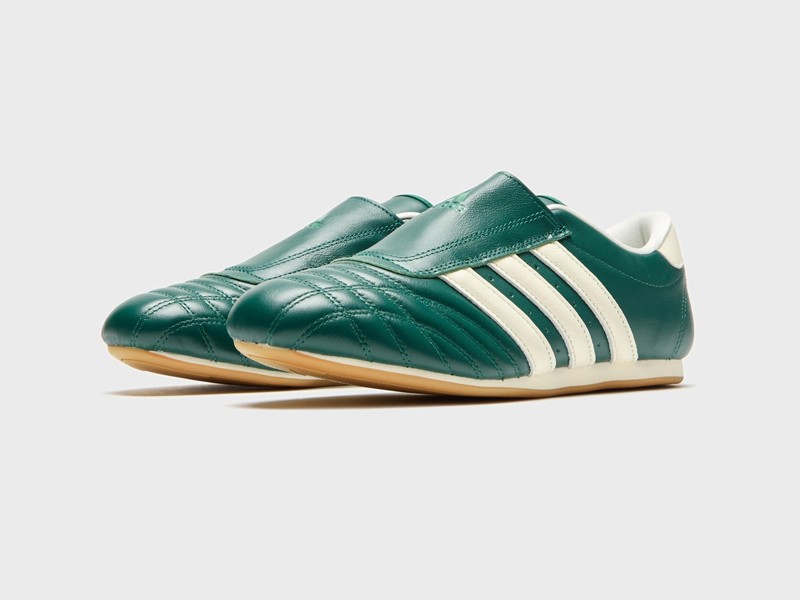
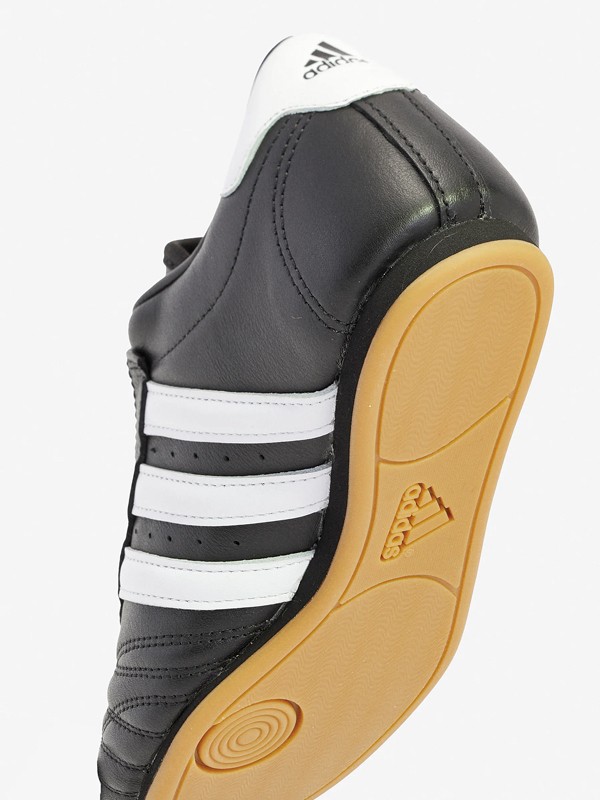
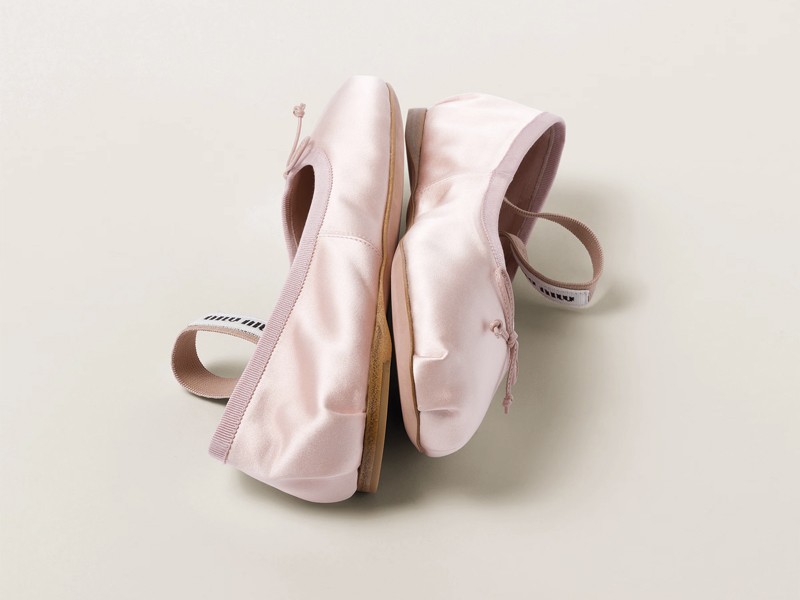
For a sole to be thin yet functional and durable, specific materials are used:
• TR (thermoplastic) and high-density TPU: These allow for minimal thickness without losing flexibility or abrasion resistance.
• Rubber: Very common in retro indoor-style sneakers, such as those inspired by futsal, where the sole is flat and thin to improve ground feel while walking.
• Leather (groupon leather sole): This is the recommended standard for formal and high-end footwear. It is thinned down to achieve that “slim” appearance without compromising the shoe’s structure.
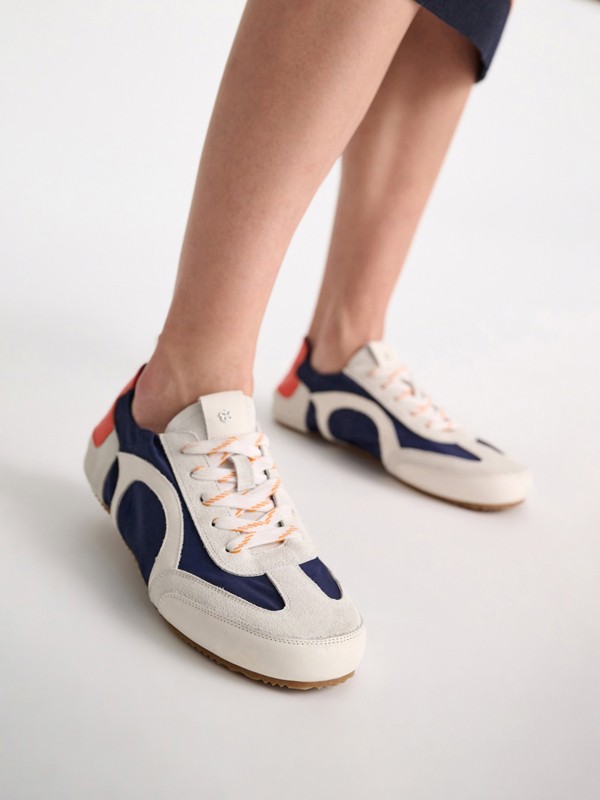
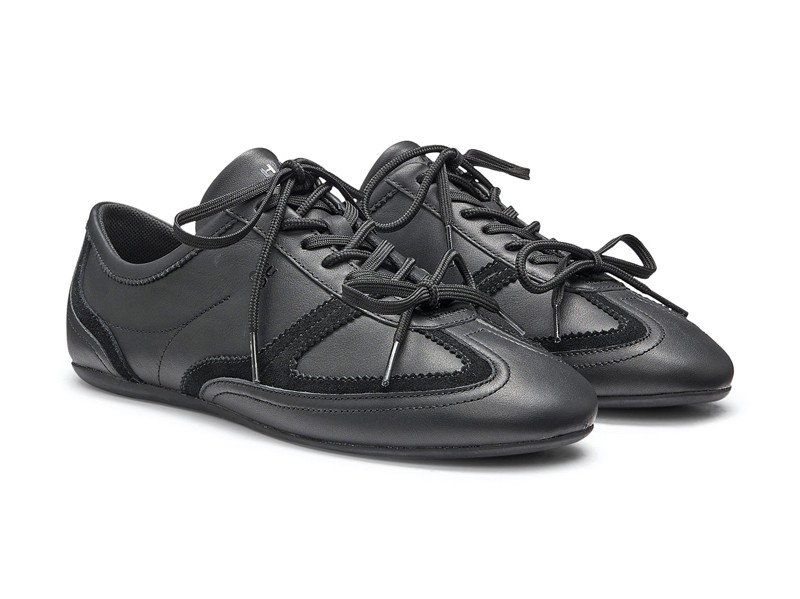
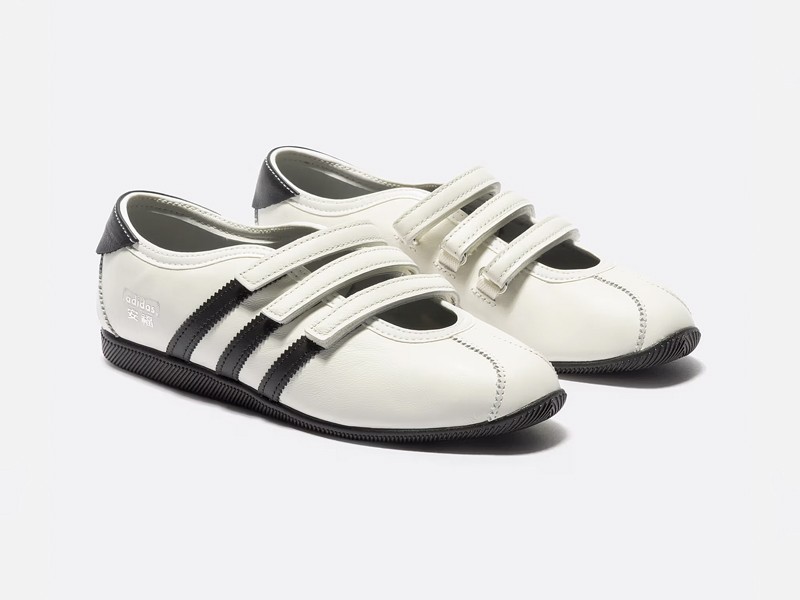
• Retro sneakers: The rise of styles such as the Adidas Taekwondo or Onitsuka Tiger has renewed the value of the thin sole in contrast to thick foam midsoles.
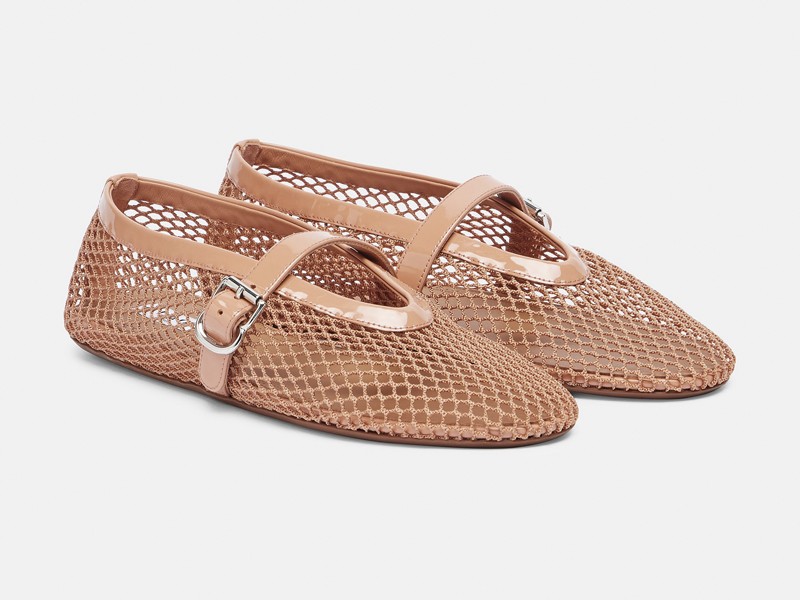
• Ballerina flats and Mary Janes: These typologies have returned strongly, using slim soles to preserve that “second-skin” aesthetic.
• Minimalist boots: High-leg boots with very thin soles are emerging to achieve a more sophisticated and less utilitarian look.

• Lightweight: They significantly reduce the total weight of the footwear, making transport and export easier, with less volume and weight per box.
• Elegance: They provide a degree of sophistication that thick athletic footwear cannot offer.
• The challenge: The main challenge for manufacturers is comfort. Since there is less cushioning material, the use of high-recovery insoles, such as memory foam or injected polyurethane, becomes essential so that the wearer does not feel the direct impact of the ground.
RELATED ARTICLES:
- Sneakerinas take over and shake up the fashion world
- Total comfort! MUSTARD’s irresistible sneakers