Croc-Effect Textures Span Diverse Footwear Styles

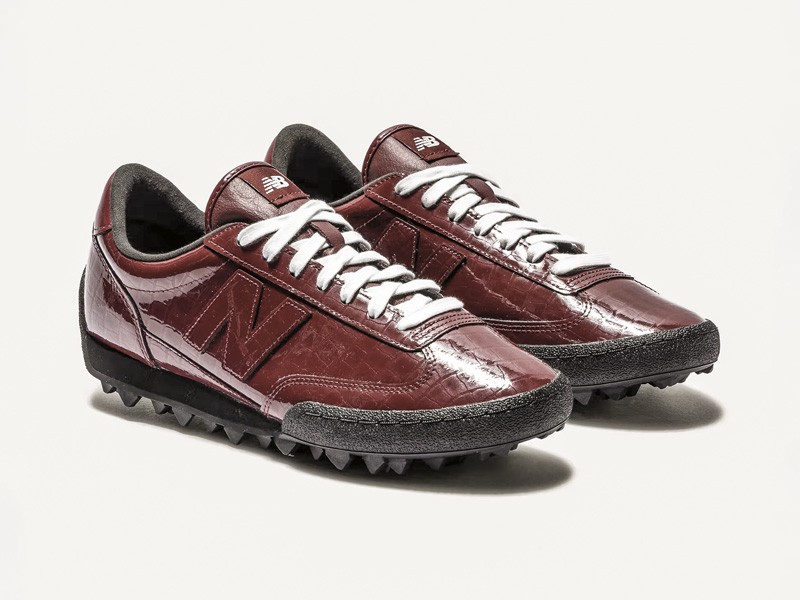
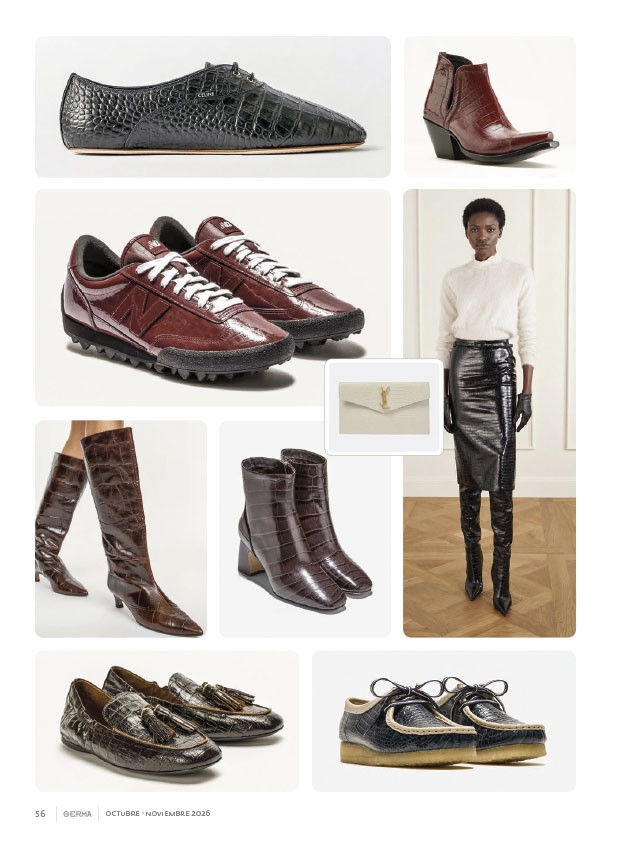
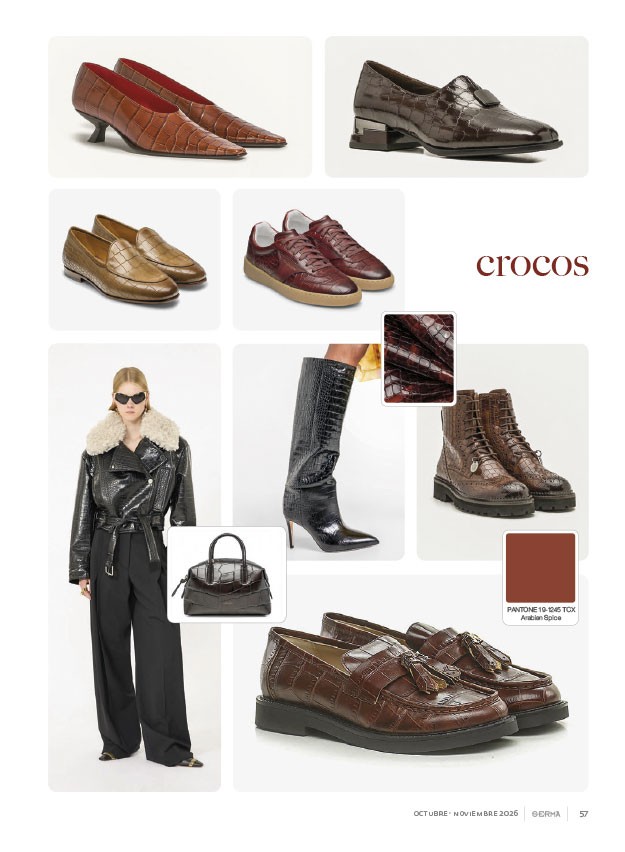
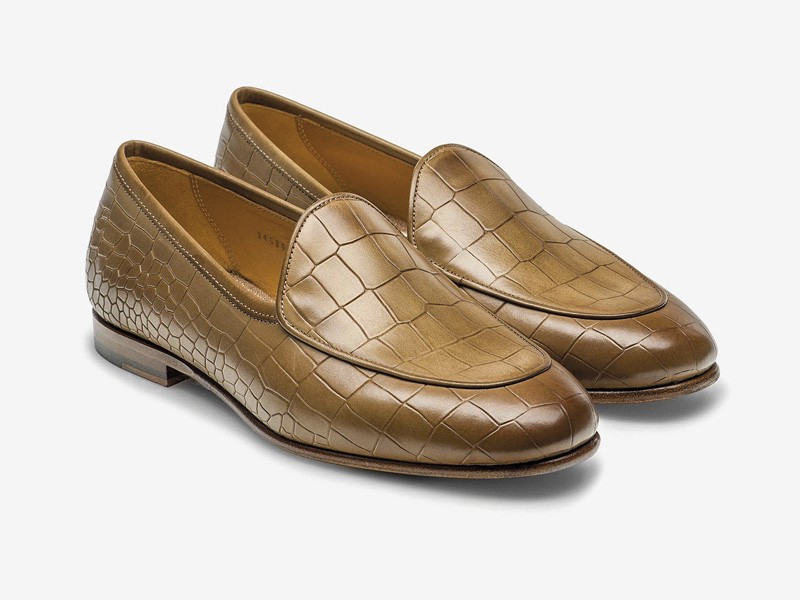
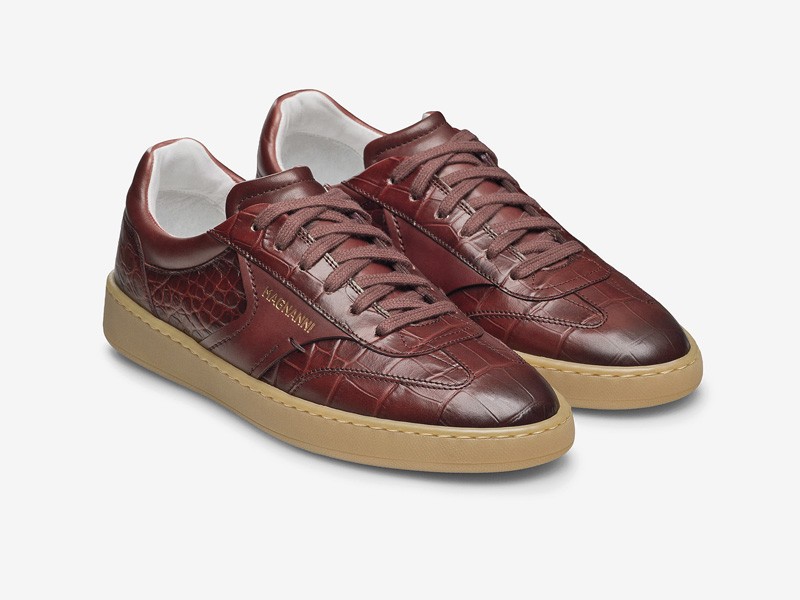
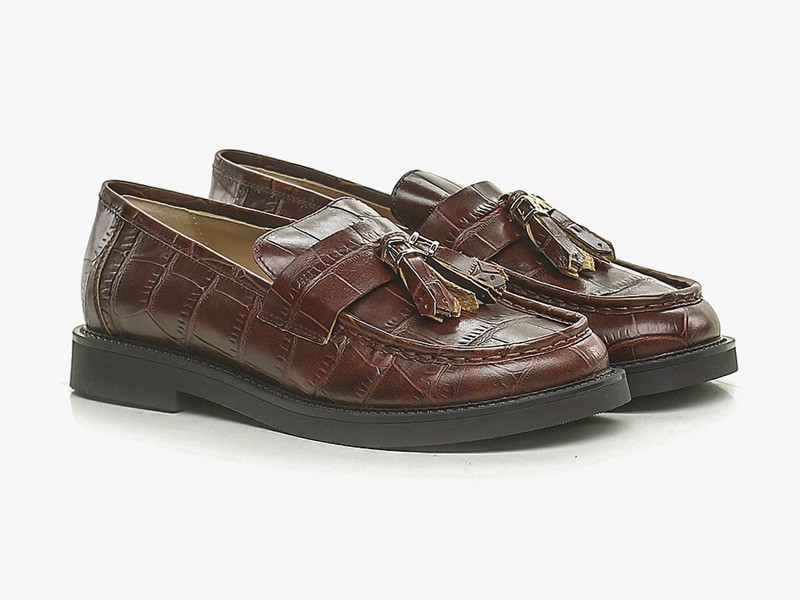
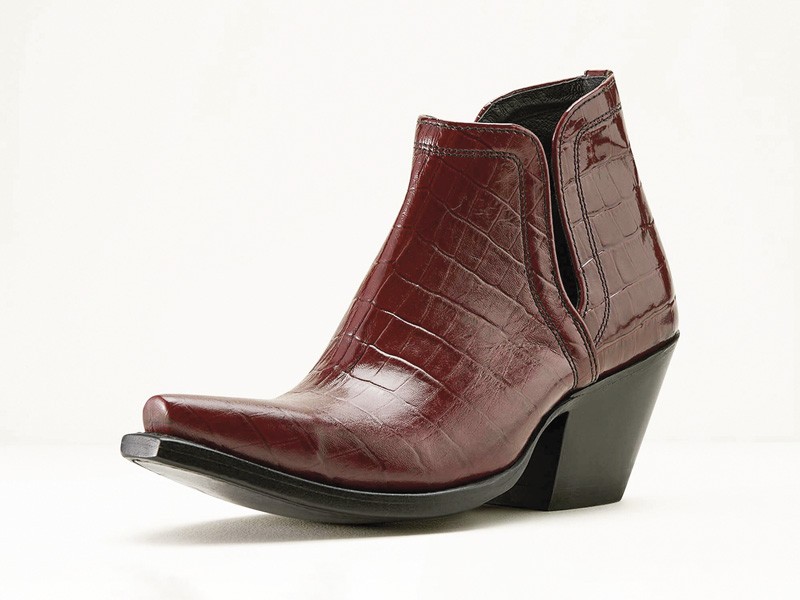
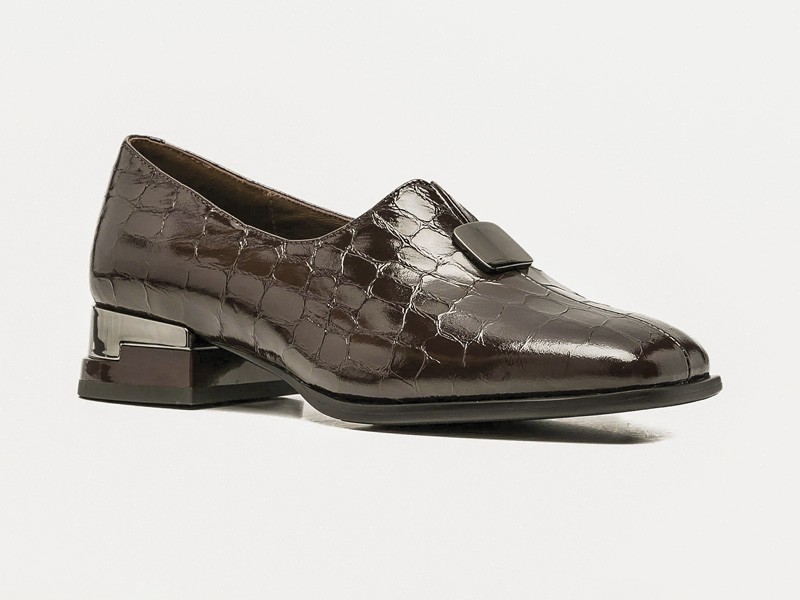
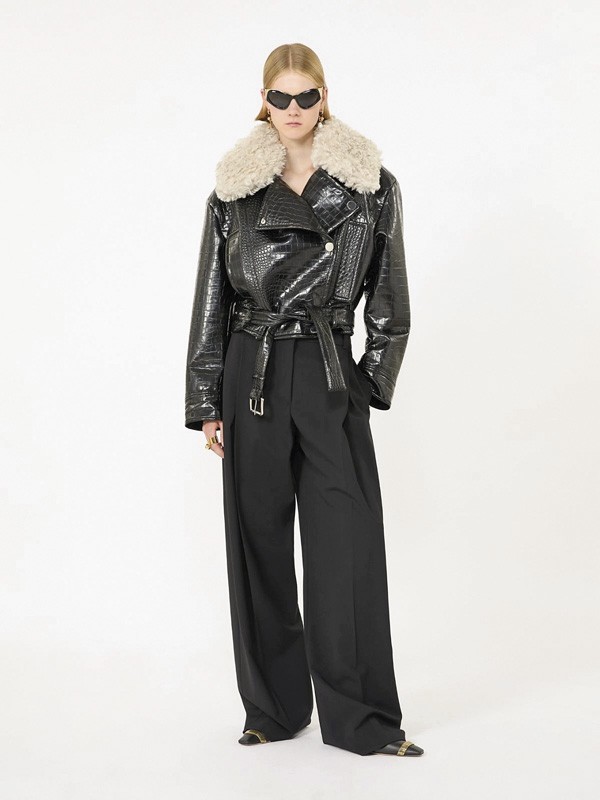
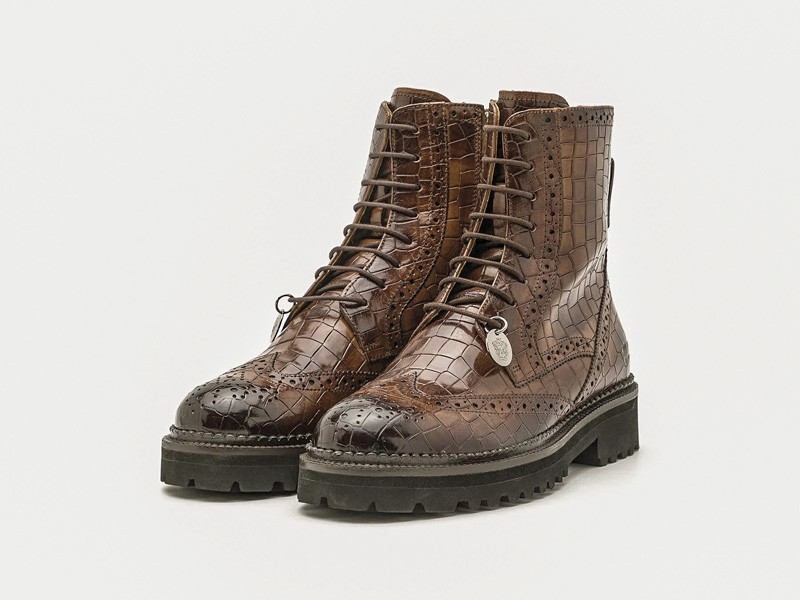
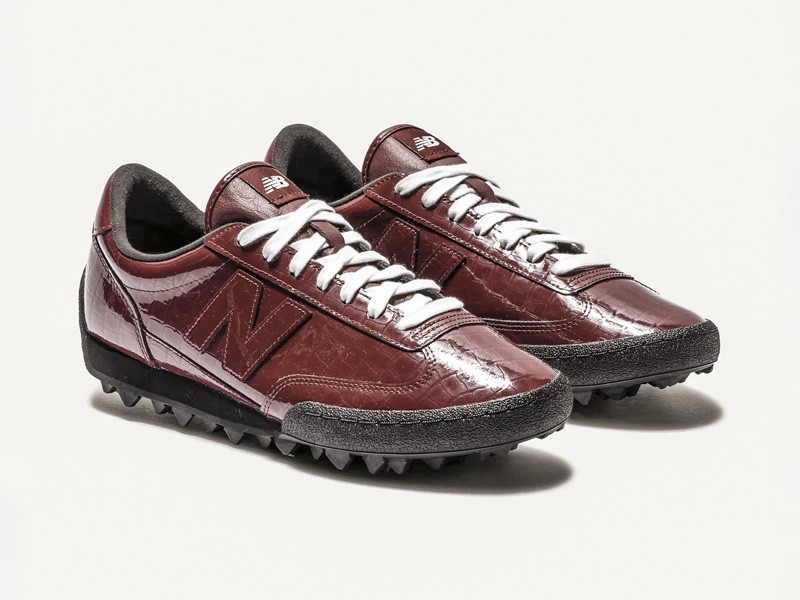
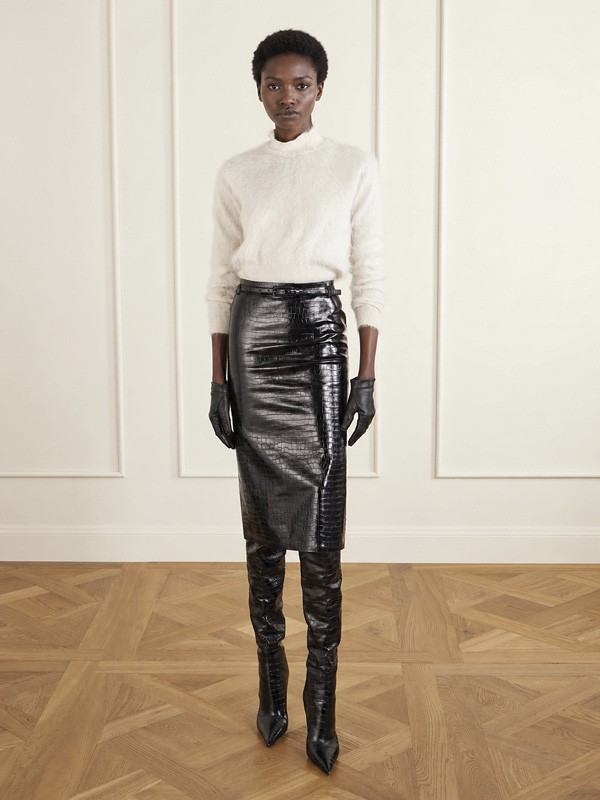
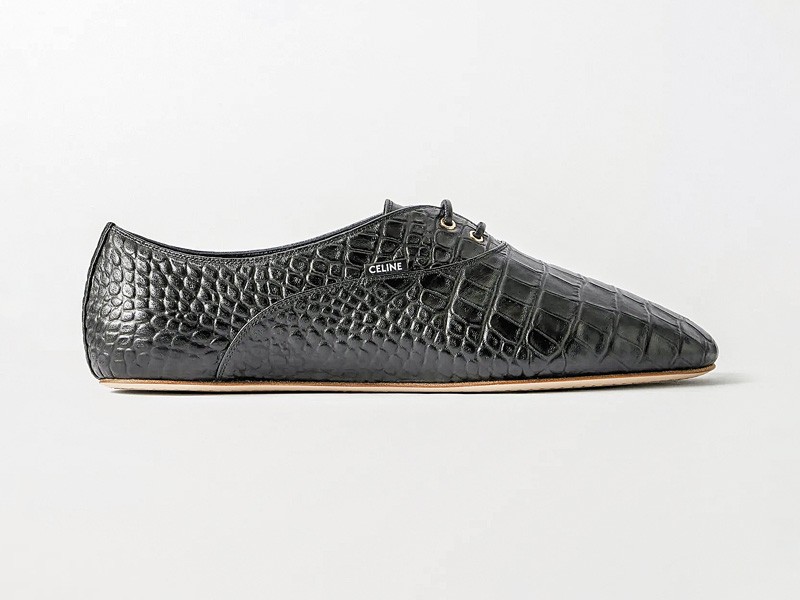
The croc effect acts as the visual thread linking footwear with different profiles. It appears on lace-up low shoes, loafers, boat-shoe styles, sneakers and boots, while remaining recognizable across categories. The result is not a uniform product family but a surface motif accompanying different proportions and product uses. That breadth makes it possible to consider how a pronounced texture can shift the visual character of a style without changing its basic footwear identity.
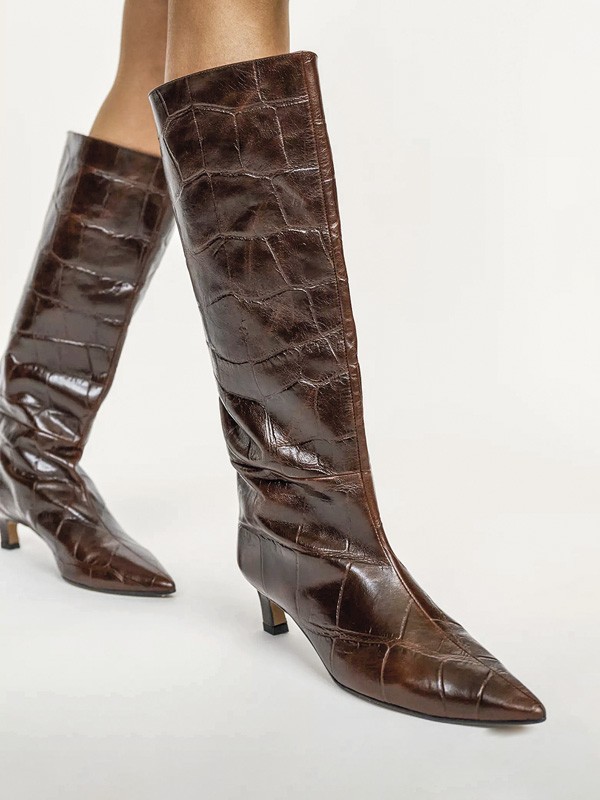
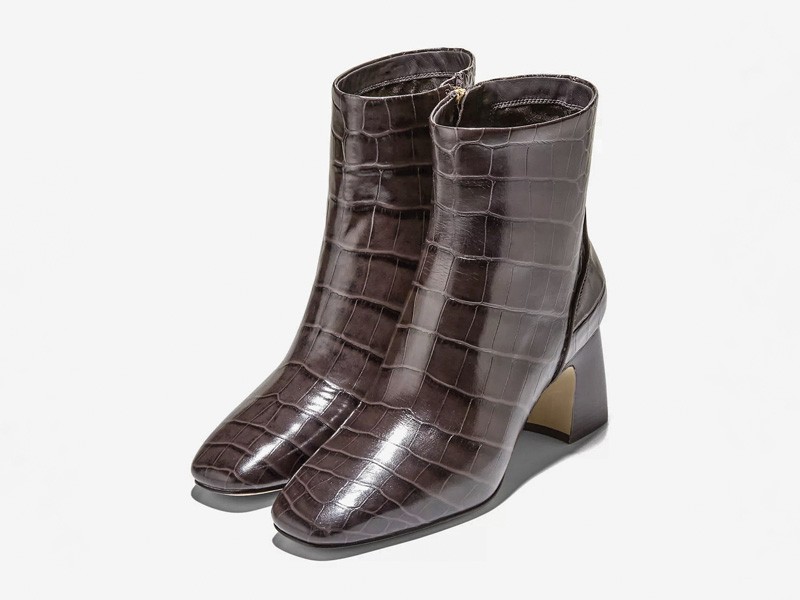
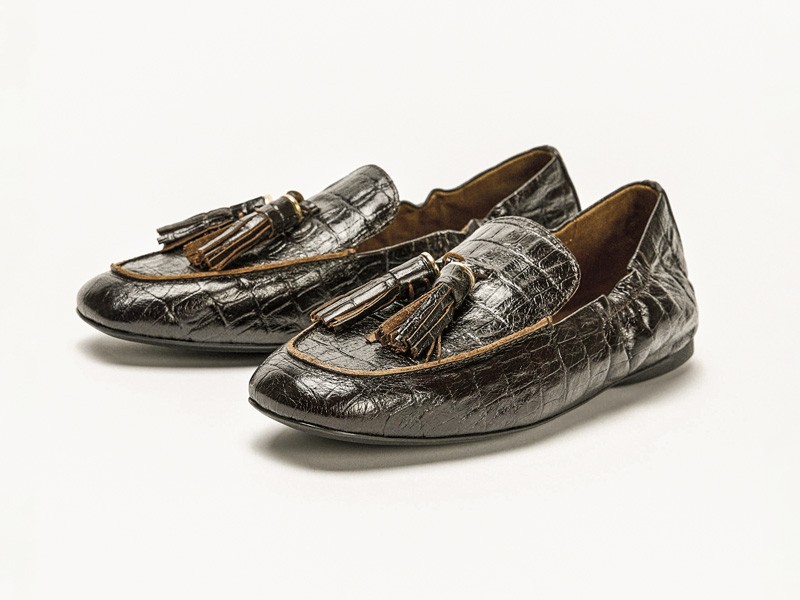
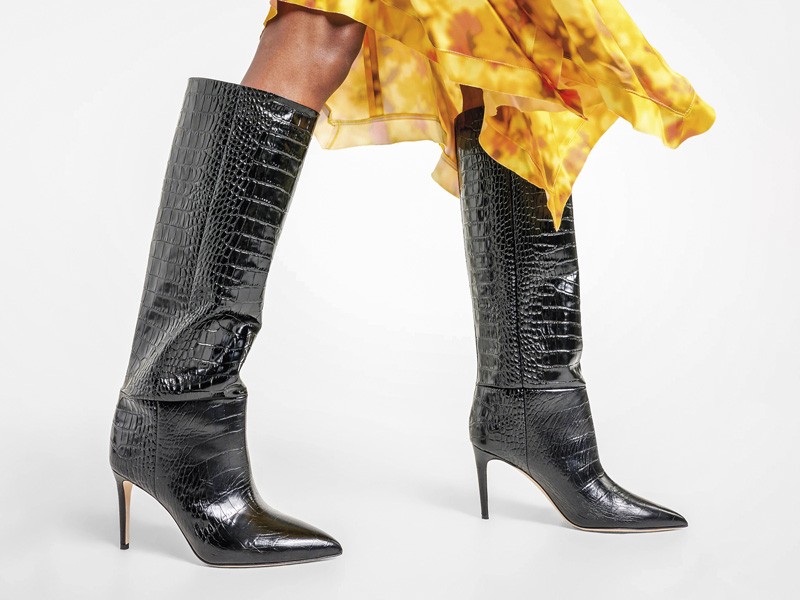
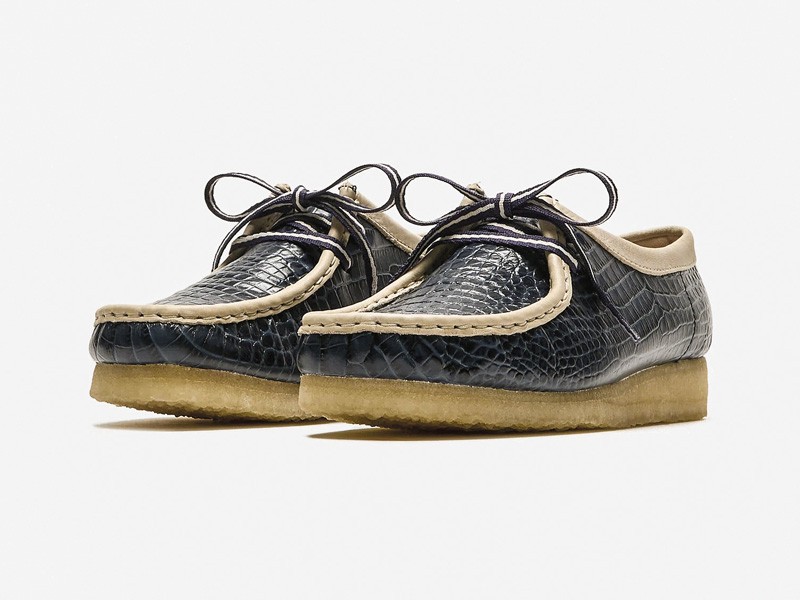
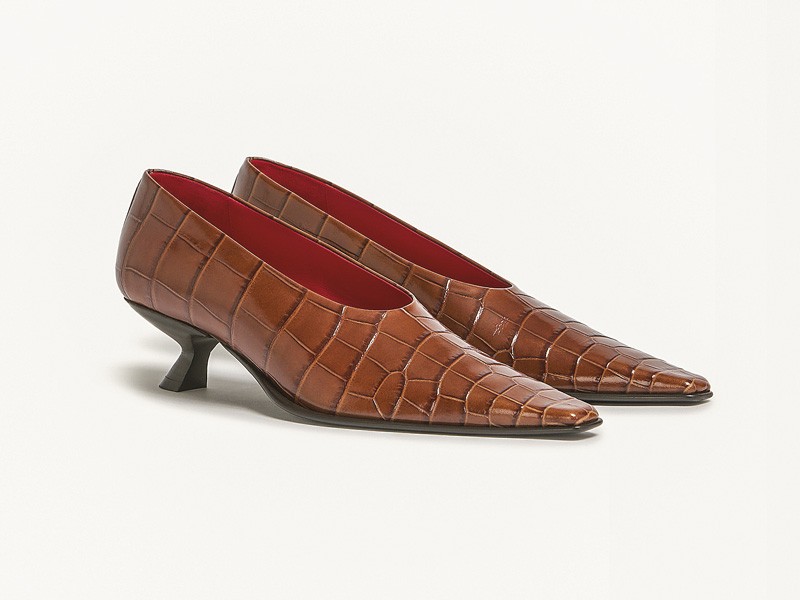
On lower-volume designs, the repeated relief covers a broad part of the upper and draws attention to its scale and rhythm. On boots, the continuity of the texture across a taller piece emphasizes the vertical line. Loafers and lace-ups retain their familiar outlines, while the croc effect adds a surface counterpoint. These visual relationships can inform design and development teams without implying how a finish was produced or what material any component contains.
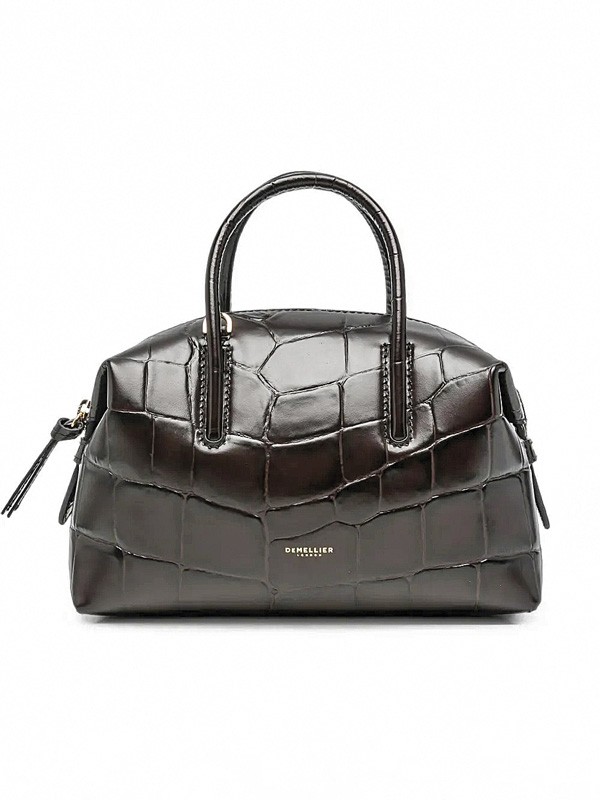
The visible palette moves through black, deep browns, chocolate and reddish shades close to burgundy or rust. On several styles, reflected light appears to reinforce the relief; on others, the surface reads more quietly, allowing the scale of the motif to take the lead. This mix of restrained colors makes it possible to compare how color affects the same textural language: darker shades tend to unify the pattern, while warmer reds make the contrast between raised and recessed areas more apparent.
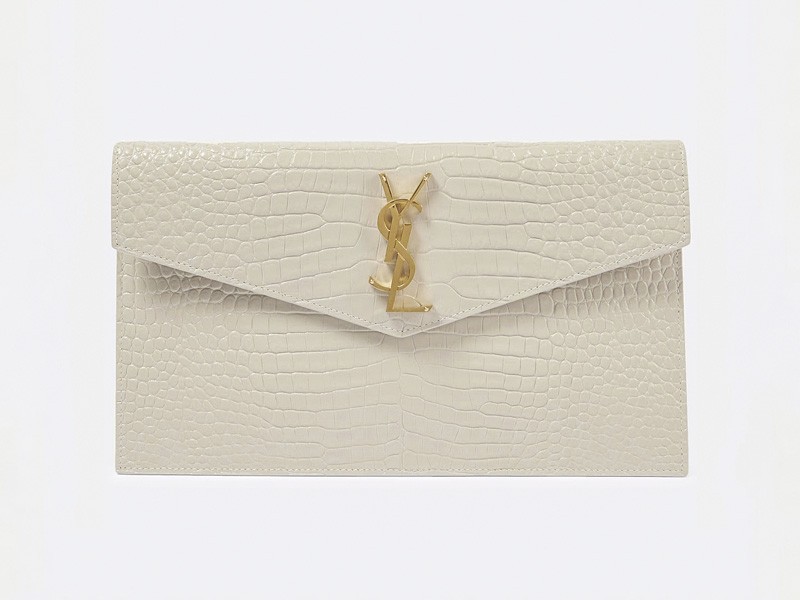
Each shoe construction also changes the way the motif reads. Laces, panels, tongues, openings and seam lines interrupt or frame the surface on closed shoes; loafers offer a more continuous vamp; and boot shafts provide a larger field for the pattern. The motif does not replace the components that define each footwear type. It joins them in a design where form and surface share attention. A small bag on page 57 extends the visual code to an accessory, suggesting a possible visual link between product categories.
For manufacturers and brands, the opportunity lies in carrying one visual direction across several product lines without making them duplicates. A supplier can present alternatives in relief, scale, gloss and color so a product team can compare their effect on shoe, loafer or boot patterns. Options can be organized by footwear type, visible placement and color combinations, while aesthetic review remains distinct from technical validation. Composition, performance, care and process specifications should come from the supplier’s documentation.
This cross-category reading can support early conversations among design, patternmaking, purchasing and product development teams. Reviewing samples or prototypes can help assess how the motif reads across cuts, joins and changes in volume before its role in a collection is set. The same approach can guide a coordinated footwear and small leather goods proposal when a brand seeks visual consistency across products. The concrete commercial opportunity is to offer documented, comparable options for more than one footwear type, allowing each company to decide whether the effect works as an accent, a dominant surface or a link between categories. A clear product brief can then connect the chosen visual direction to the supplier’s available specifications and sampling options.
SERMA.NET connects footwear and leather goods manufacturers, brands and suppliers. Companies developing reptile-effect surfaces can present documented variants, applications and verifiable technical information through SERMA’s digital catalog or collaborative editorial features with visual value for the industry. SERMA’s channels can put these developments in front of designers, patternmakers and product teams considering surface options across footwear types. Find SERMA on Instagram @serma_net and Facebook SERMA.
Contact: marketing@serma.net | WhatsApp: +54 9 351 394 8656