Merlot color defines the chromatic foundation of urban footwear

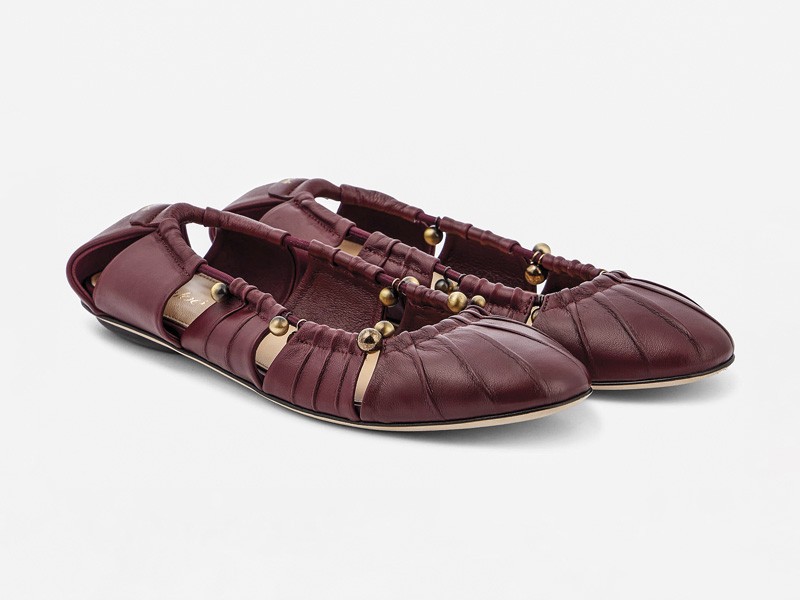
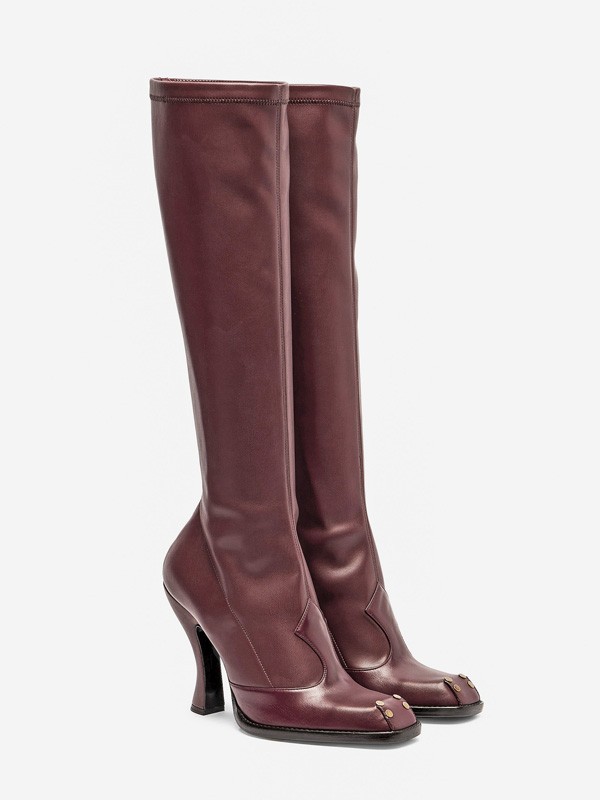
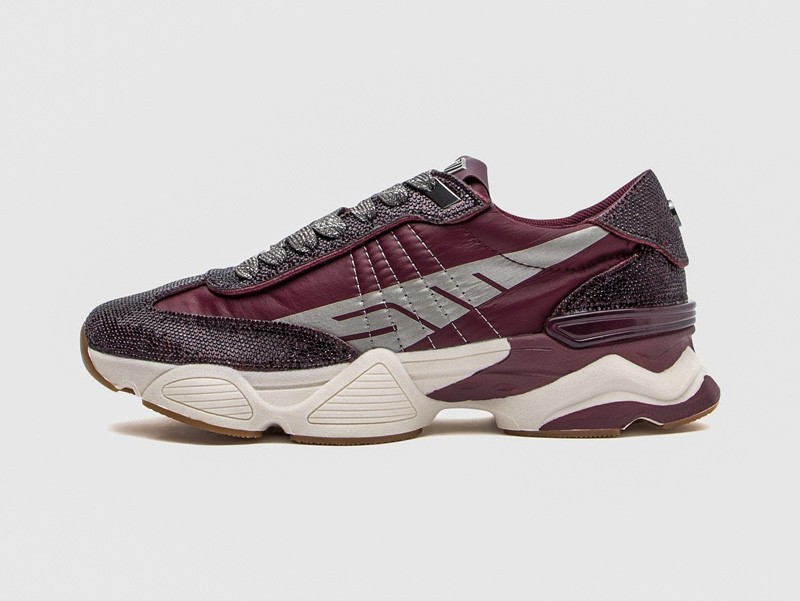
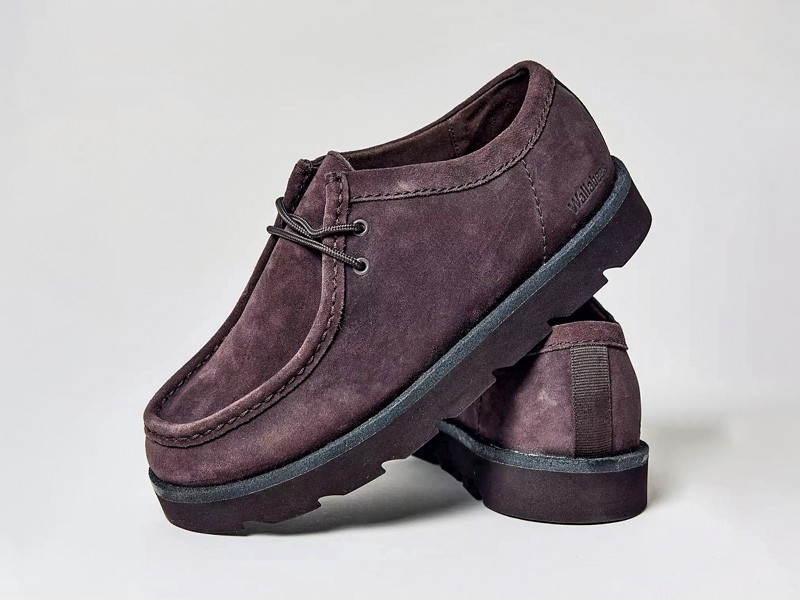
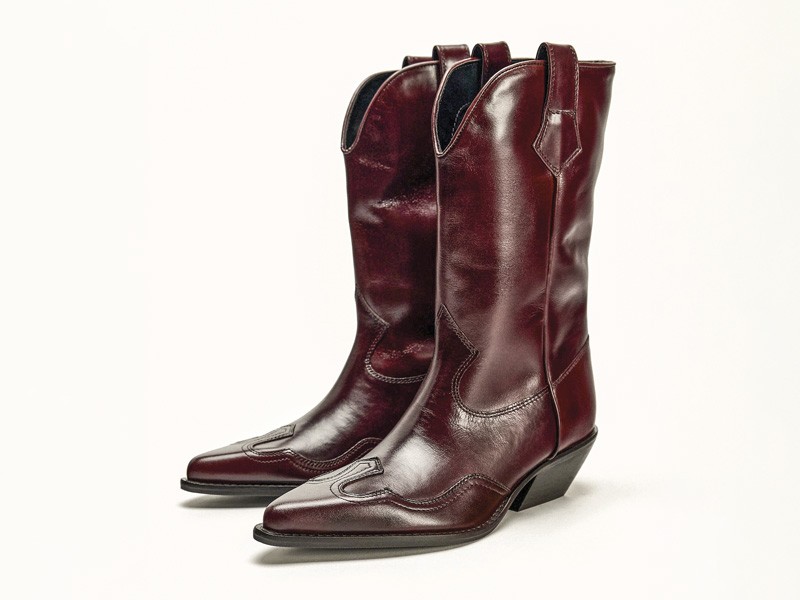
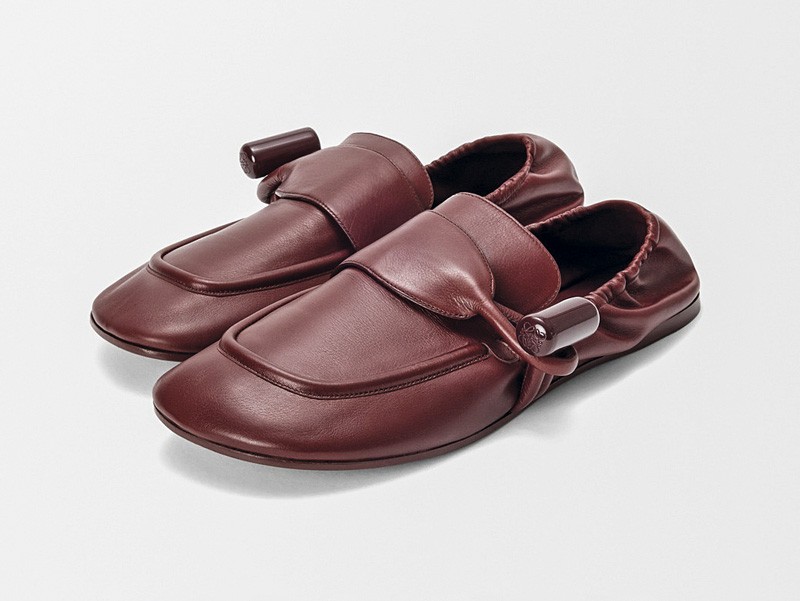
Merlot acts as a base tone for footwear lines, applied on smooth leathers and suedes, with a reading centered on chromatic depth and collection continuity. Across the page, the color is used on flat styles and on options with more present soles, showing how one tone adapts to different urban profiles.
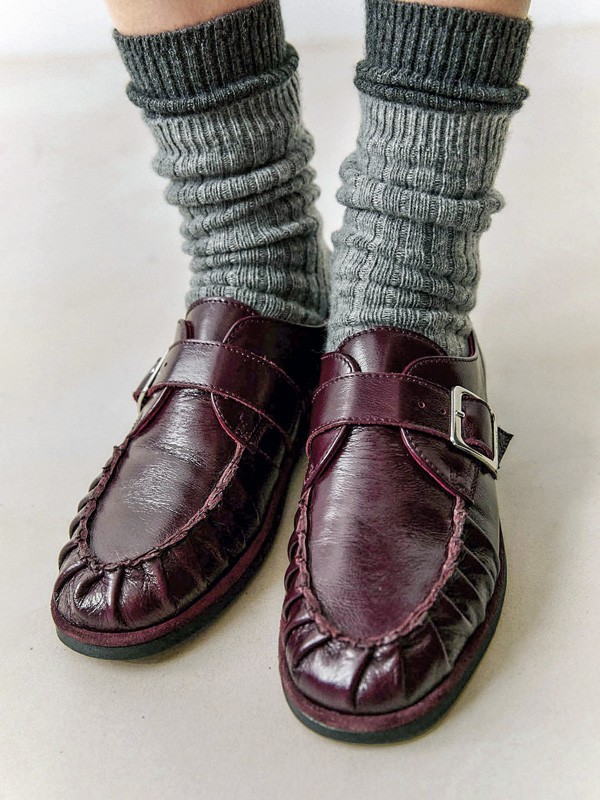
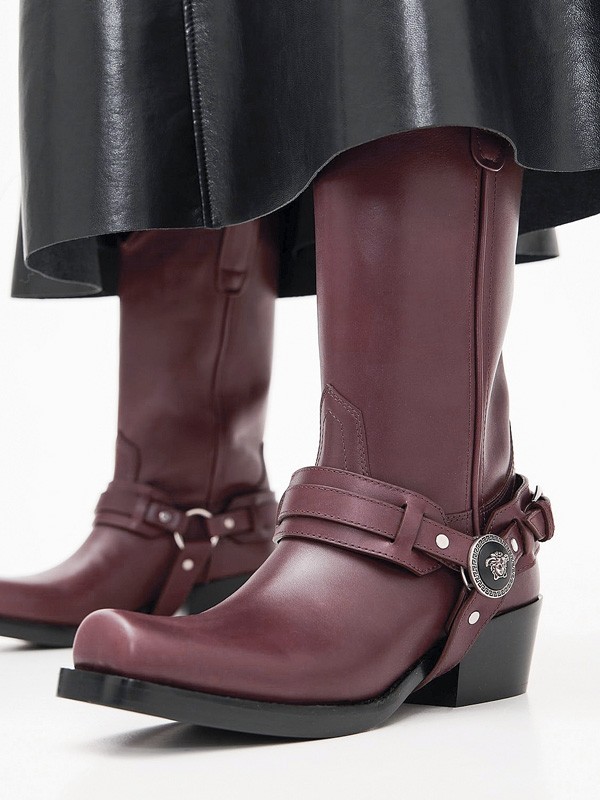
Material-wise, Merlot works in glossy and matte finishes. In leather, the key is dye uniformity and gloss control; in suede, nap consistency and shade stability across batches. The color also appears in details—vamp pieces, straps and reinforcement zones—allowing intensity modulation without oversaturating the product.
In combinations, Merlot pairs with blacks (upper or outsole), dark browns and warm accents. Outsoles tend to stay dark or neutral to maintain a compact set. The result is an urban-oriented palette where color acts as an identity signal without relying on prints.
For development and buying, the critical point is lot control: Merlot requires consistency, as small red variations are quickly perceived in series. Defining color standards (physical swatches, tolerances and batch verification) prevents deviations. Finishing must support the tone across stitching and edges; and when mixing materials, absorption and reflectance need harmonization. Through this, Merlot becomes a repeatable collection resource, with technical focus on stability, finish and component coherence.


Participate with your content in SERMA.NET and in our printed edition.
It is the opportunity to reach your customers!
Write us! marketing@serma.net