Upper-to-sole transitions define men’s urban sneakers

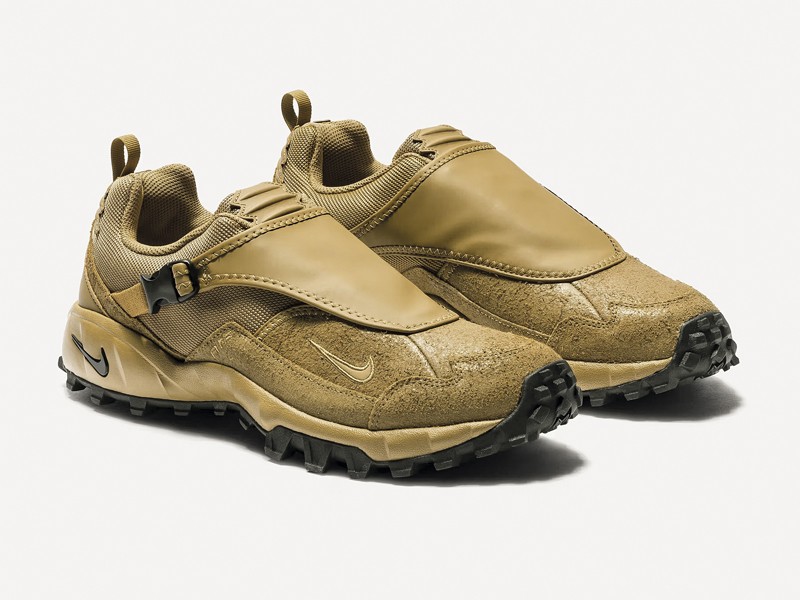
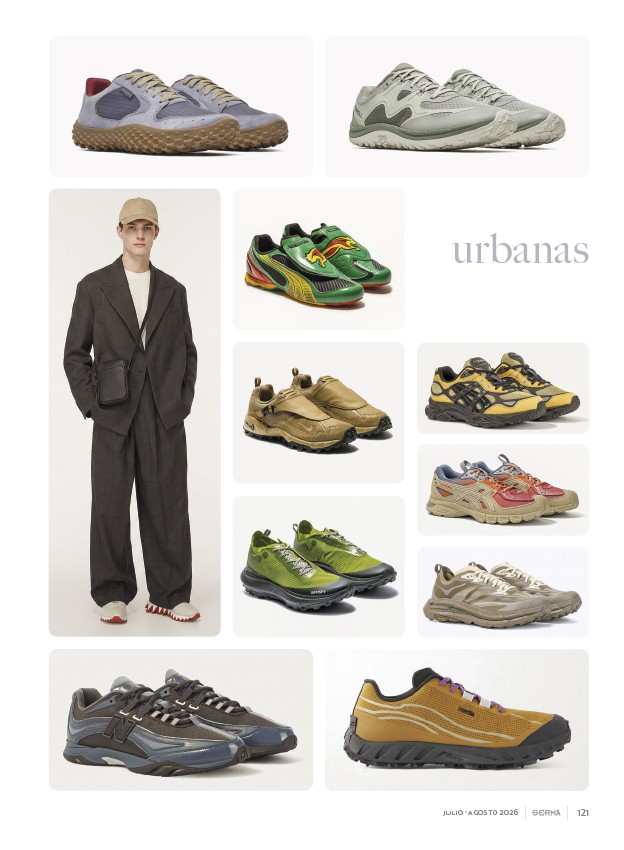
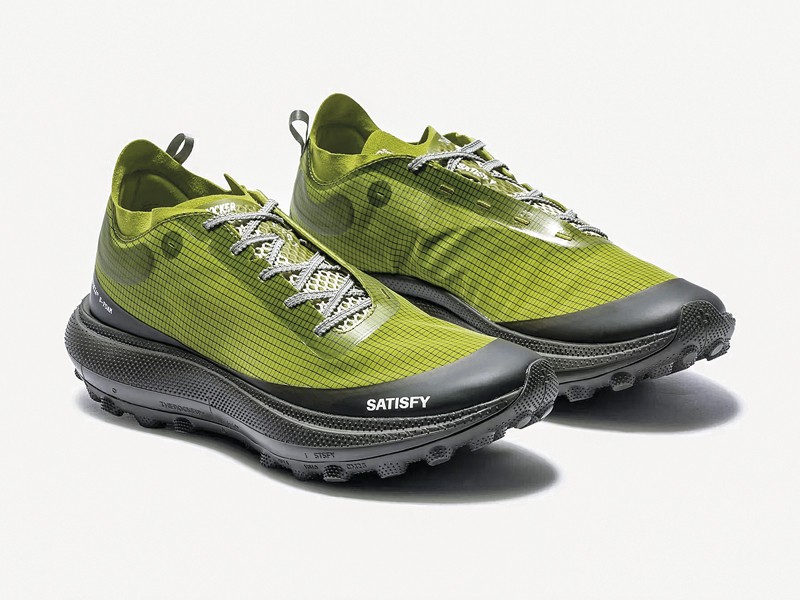
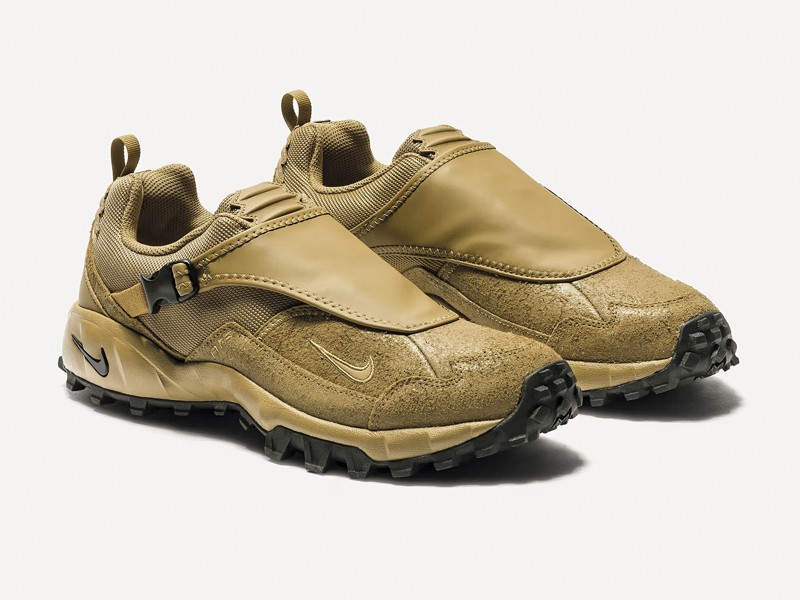
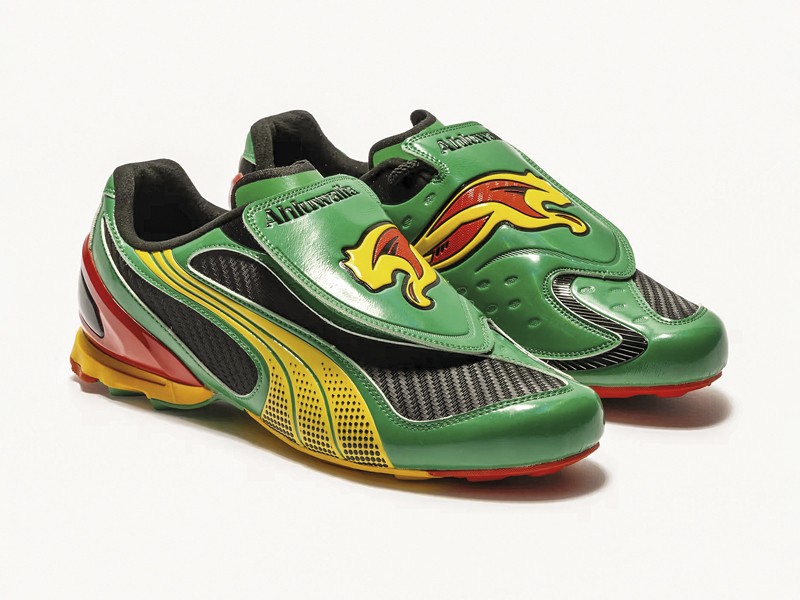
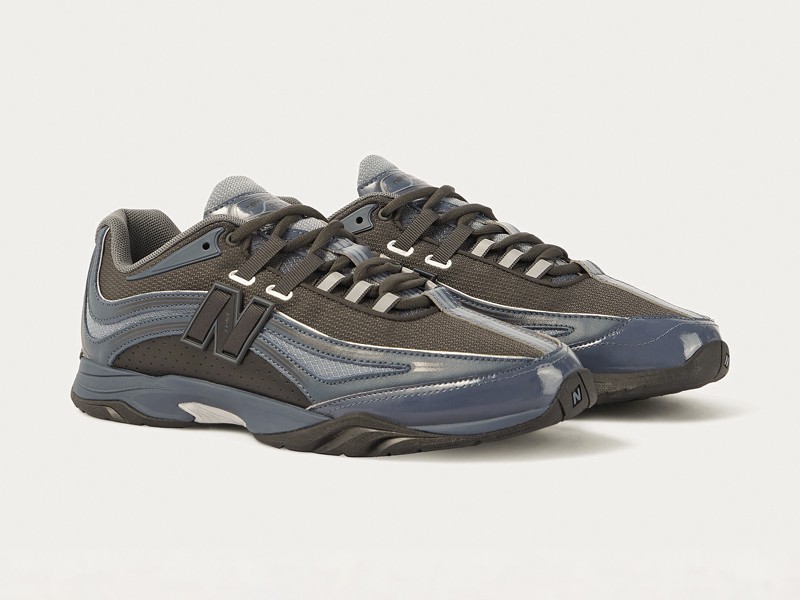
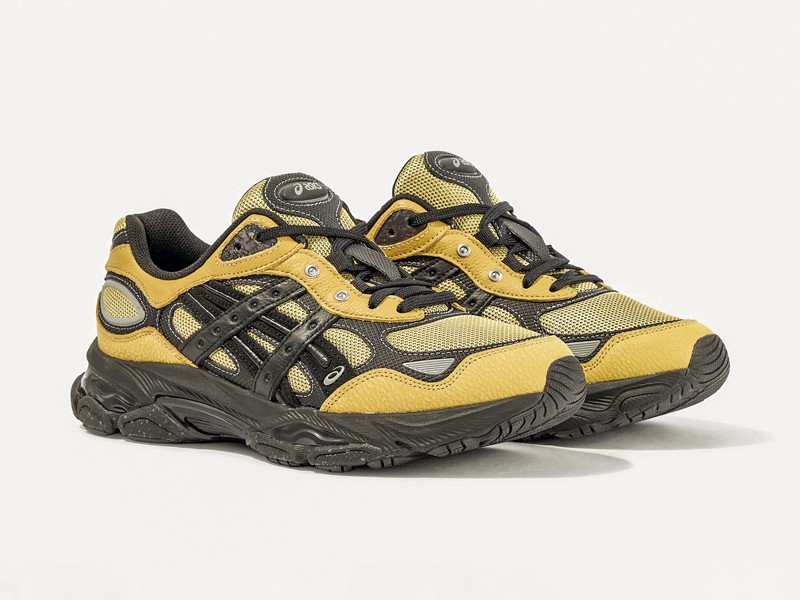
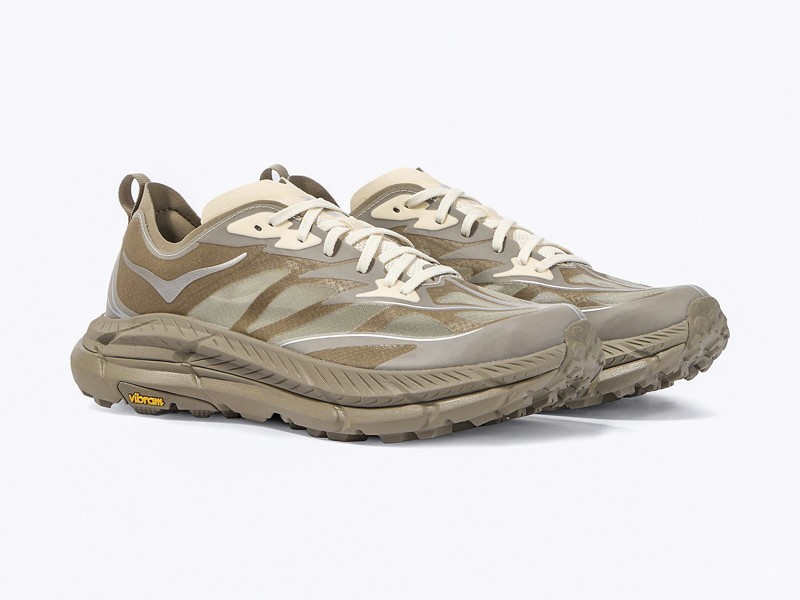
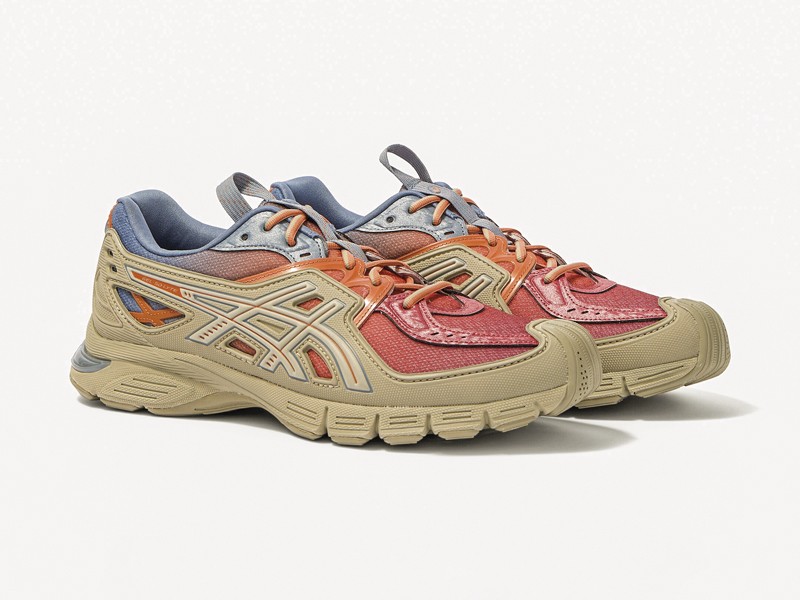
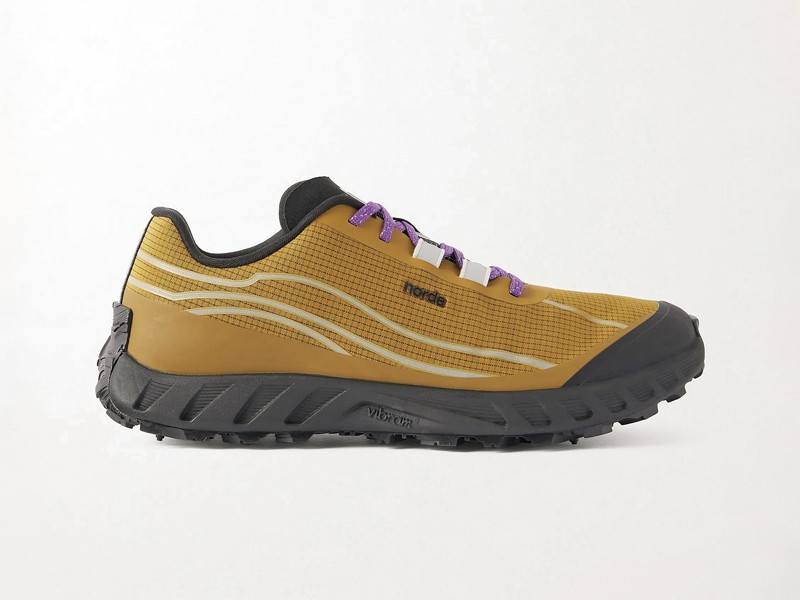
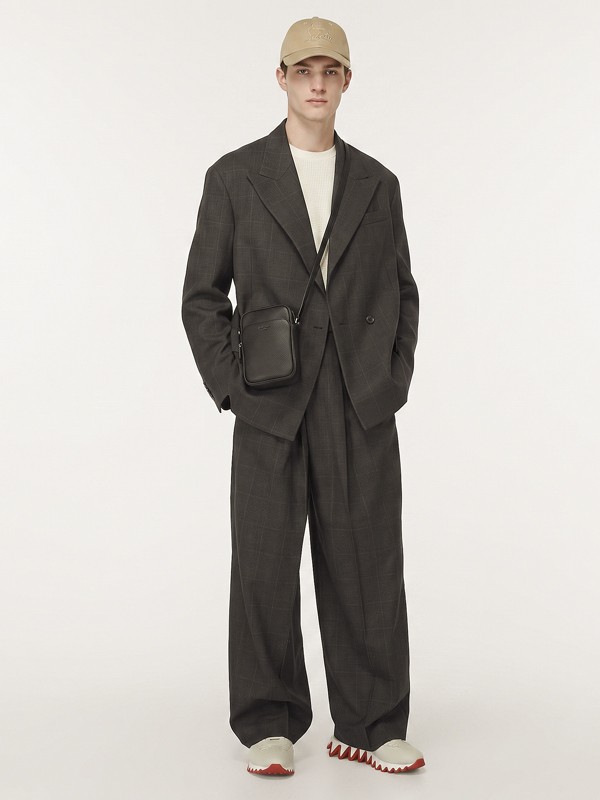
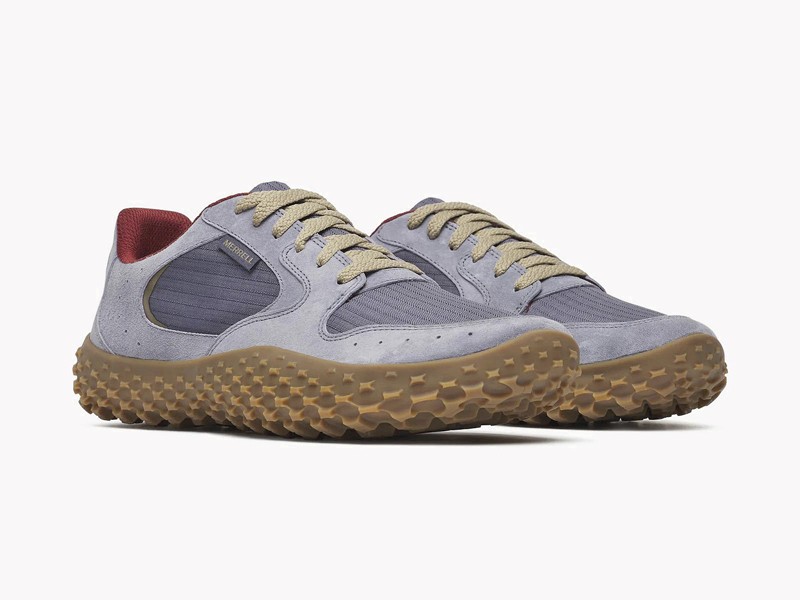
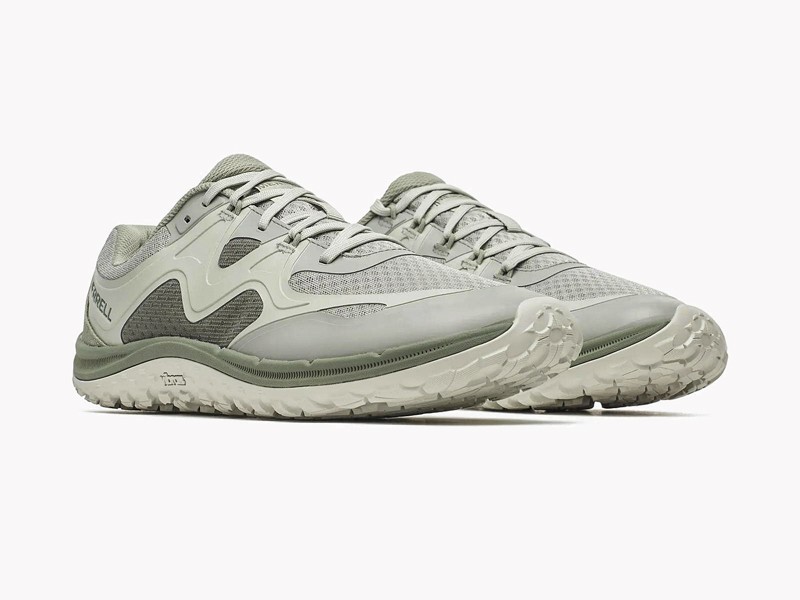
The selection brings together low-cut sneakers with visible laces and uppers divided into several zones. The feature that changes most is not the typology, but the way the lower profile follows the footwear outline. Some models show a low, continuous line; others raise the edge in selected areas, introduce side reliefs or create a more stepped silhouette across the toe, visible arch and heel.
This range makes it possible to read the sole as an active part of the form, even though the image does not identify its composition or manufacturing process. An edge in a color similar to the upper softens visual separation. A dark base beneath a light upper creates a clearer boundary. When the side combines several heights, panels or reliefs, the transition gains presence and follows the rhythm of the upper pieces. As a whole, the lower profile can work as a continuation, contrast or frame for the upper, three useful alternatives for organizing a product family without reducing it to one proportion.
The toe area concentrates several visible solutions. On some pairs, the bottom appears to move over the front through a wrapping edge; on others, the upper reaches almost to a more restrained lower line. The side adds zones that rise, fall or stop, while the heel may maintain continuity, increase its visual height or extend backward. These differences build morphological families without depending on a single sole scale.
The uppers accompany this perimeter with curved cutouts, superimposed lines, apparent perforations and varied lacing routes. Materials or functions cannot be identified from these resources. Gray, stone, beige, sand, olive, green, yellow and black predominate, with reddish, orange or violet accents on selected models. The palette acts as a separation code: it can unify upper and base or emphasize the boundary between them.
For development and sourcing, the upper-to-sole transition can be recorded on a dedicated sheet. The document may include side, front and rear views; visible edge height by zone; perimeter route; areas of color contrast; model and size reference; declared composition; a supplier-confirmed process; and an approved sample. Any tolerances, compatibility statements or tested performance should be added together with their technical source.
The specific opportunity involves suppliers of soles and bottoms, upper developers, pattern makers, mold makers and sneaker manufacturers. Presenting the interface as a system helps compare toe, side and heel variants before showing the finished product. It also separates visual reading from technical claims: a robust appearance, reliefs or a mesh-like surface do not demonstrate grip, cushioning, durability, flexibility or outdoor suitability. Those statements require verifiable documentation.
Suppliers of soles, bottoms, uppers and modeling developments, together with manufacturers of men’s urban sneakers, can present profiles, verified specifications and applications through SERMA.NET and SERMA’s digital catalog. Comparing toe, side and heel also provides a visual resource for Instagram @serma_net and Facebook SERMA, including collaborative posts that connect component and finished product.
Contact: marketing@serma.net | WhatsApp: +54 9 351 394 8656