Kids’ sandals segment the assortment through closures and color

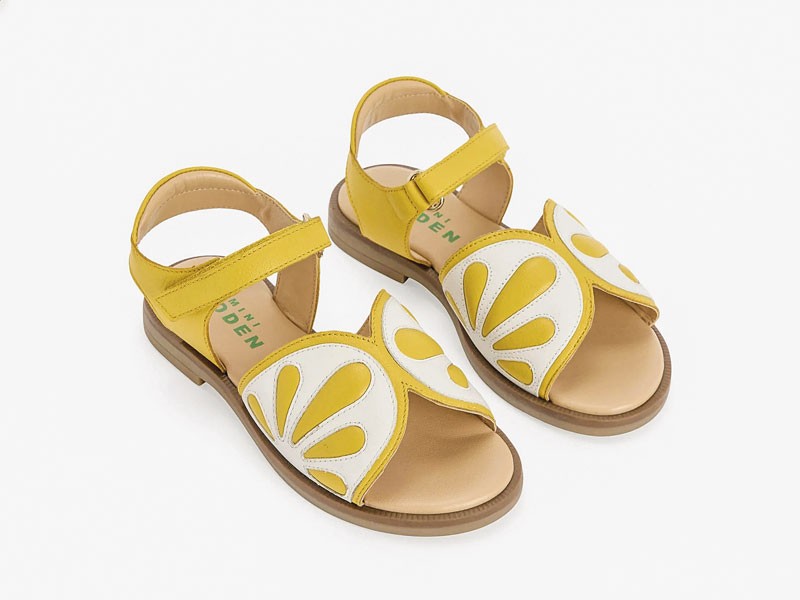
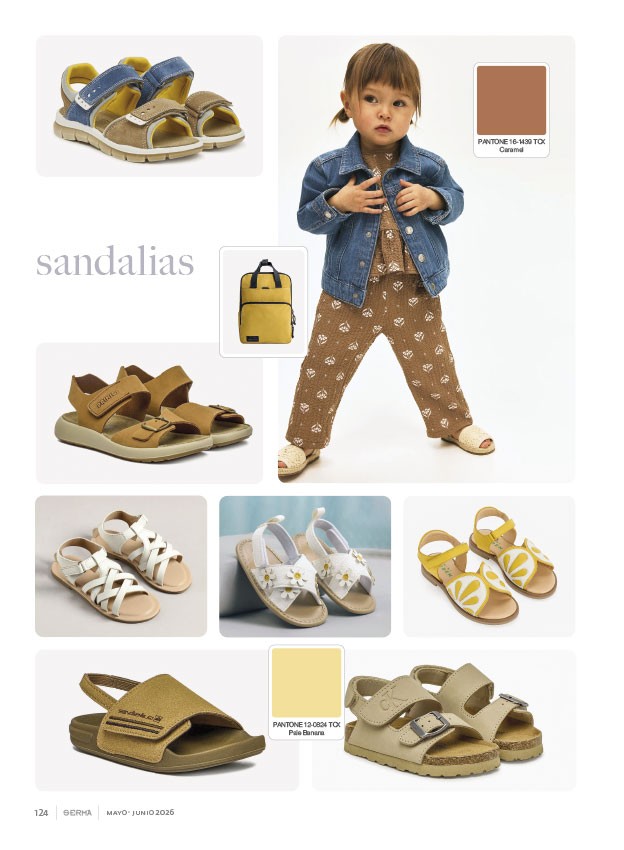
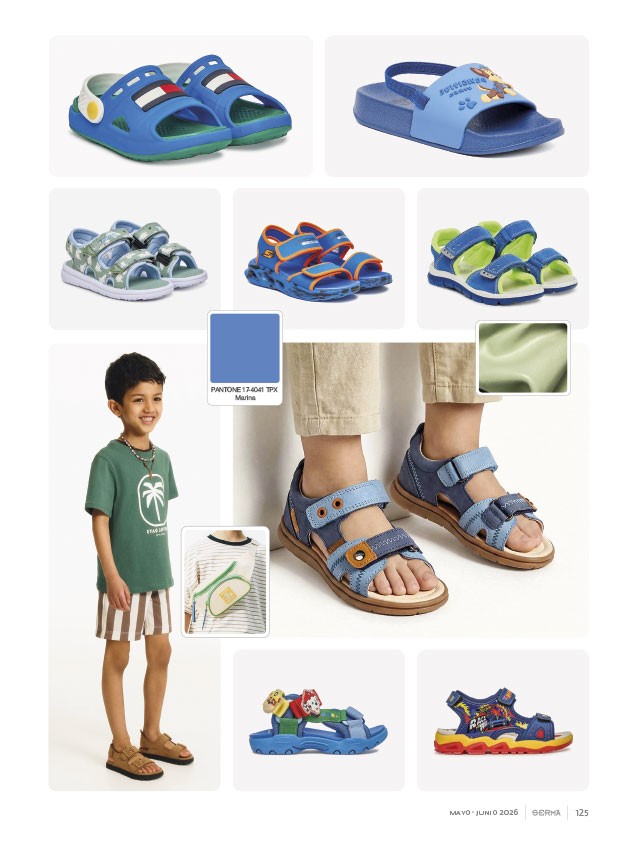
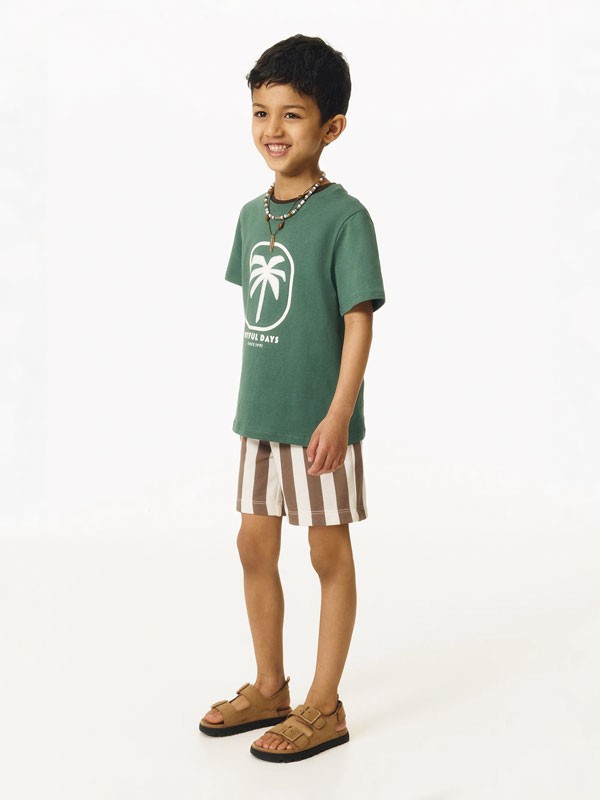
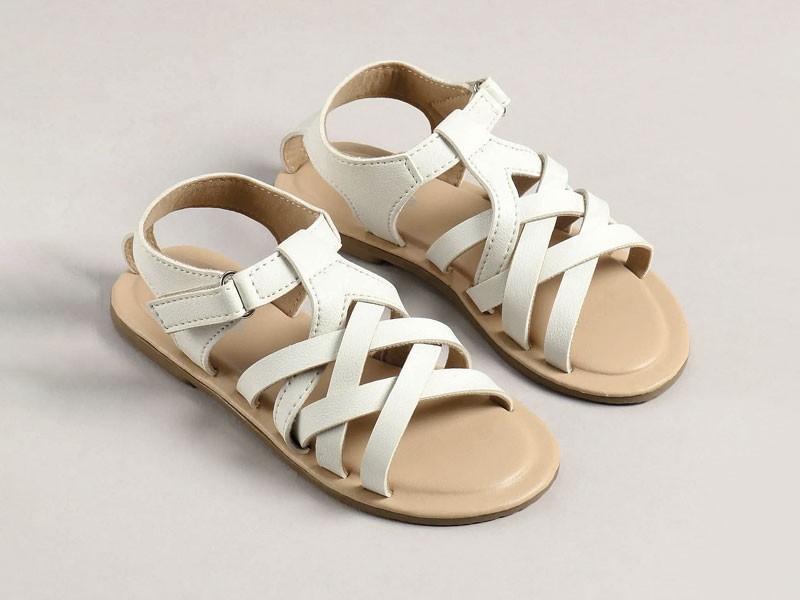
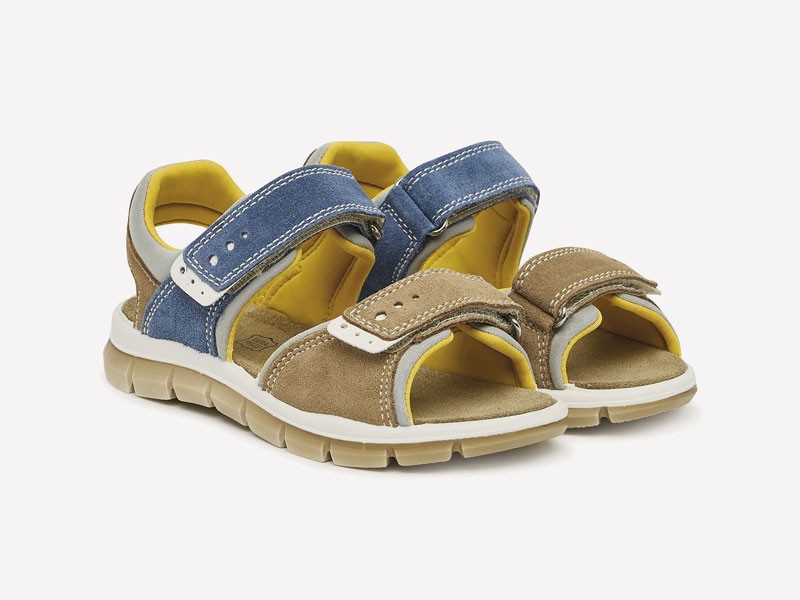
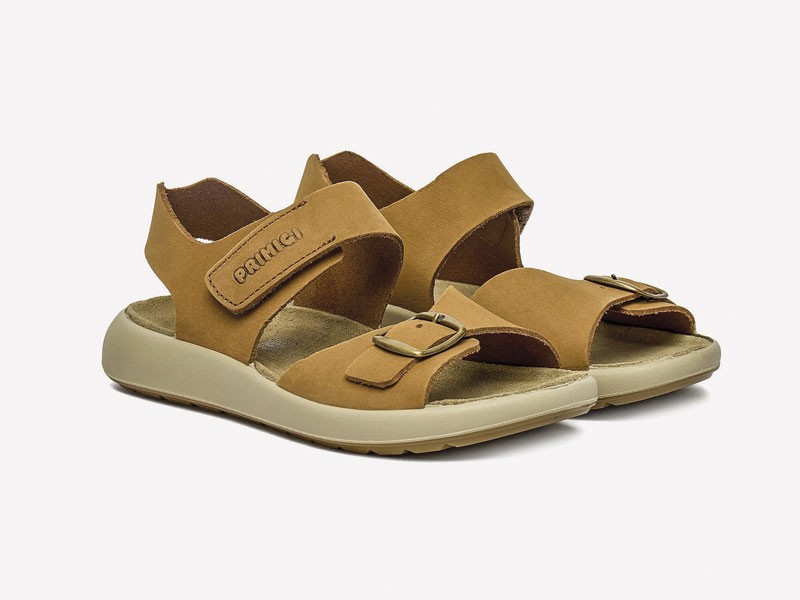
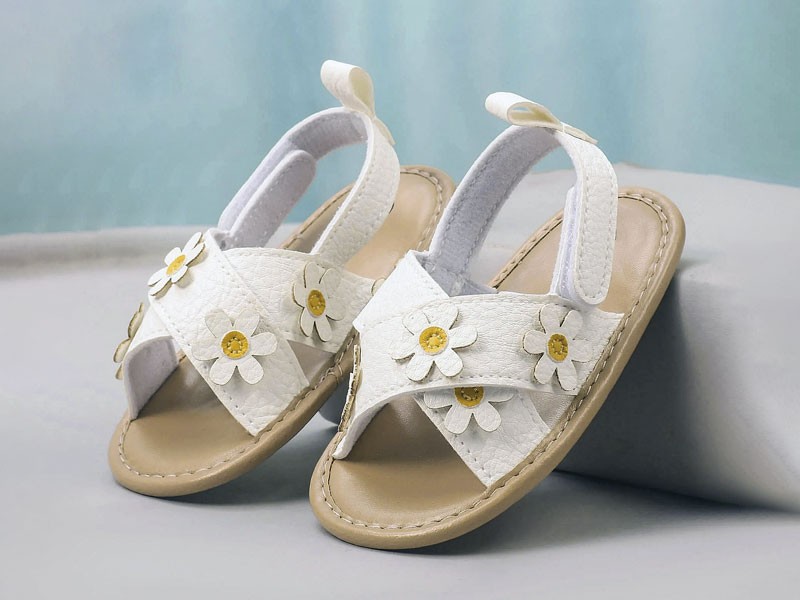
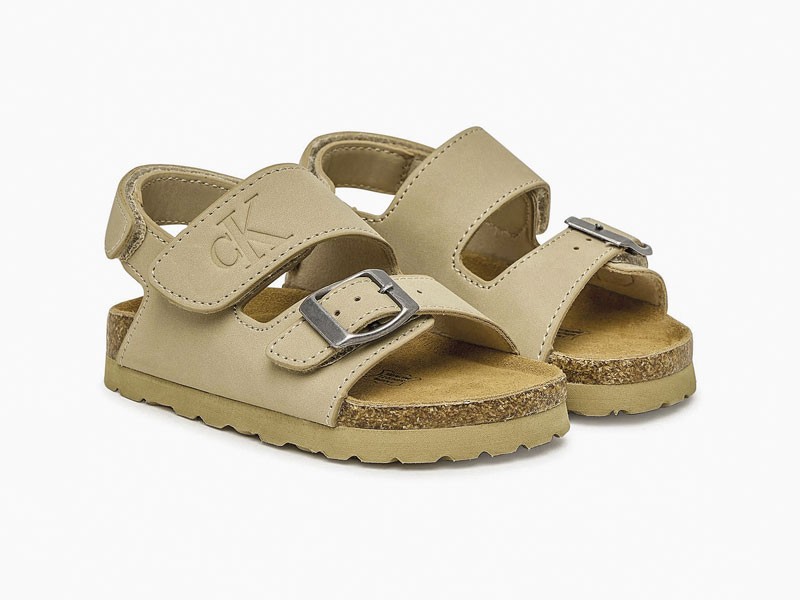
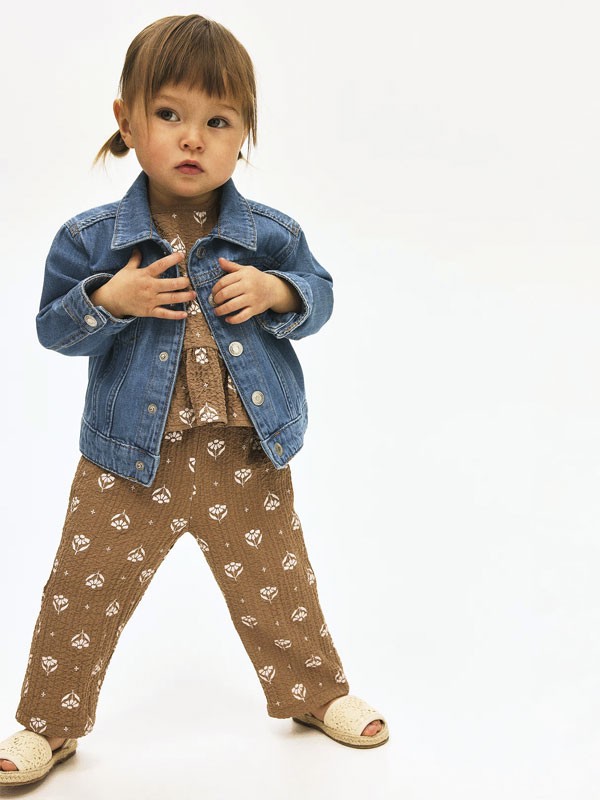
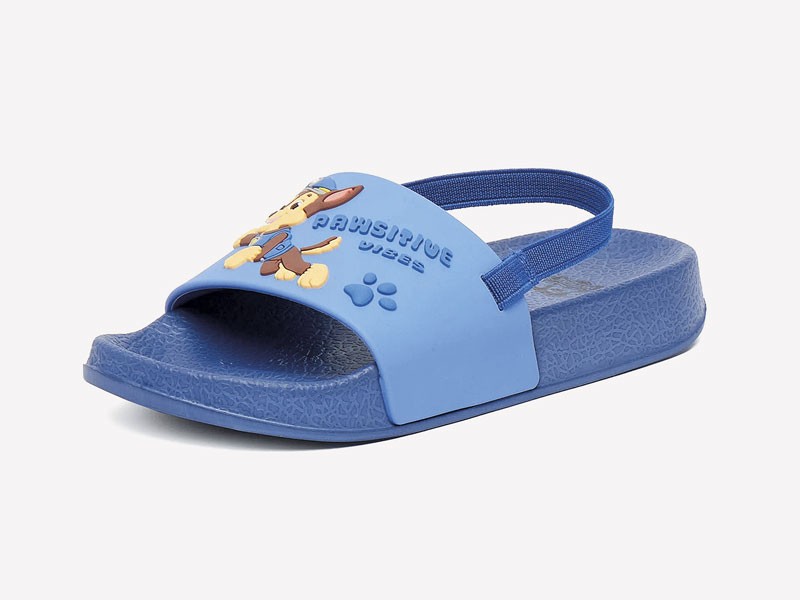
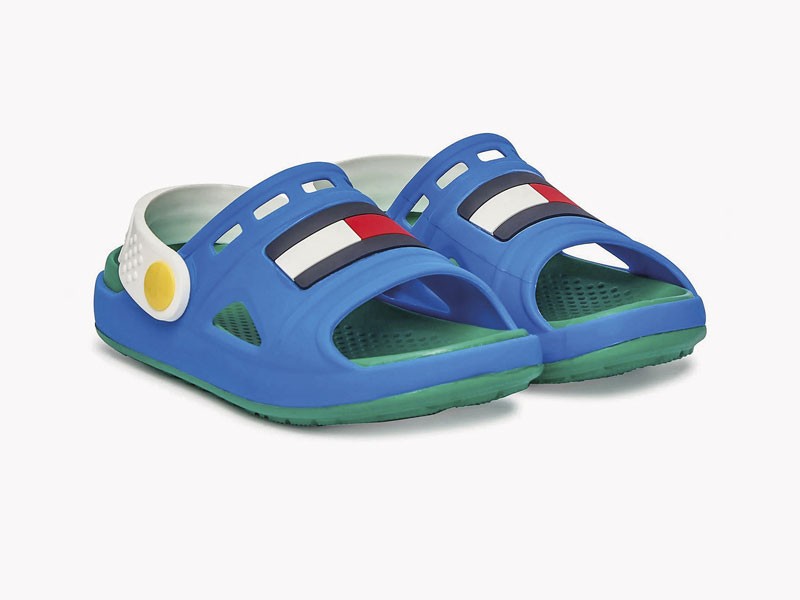
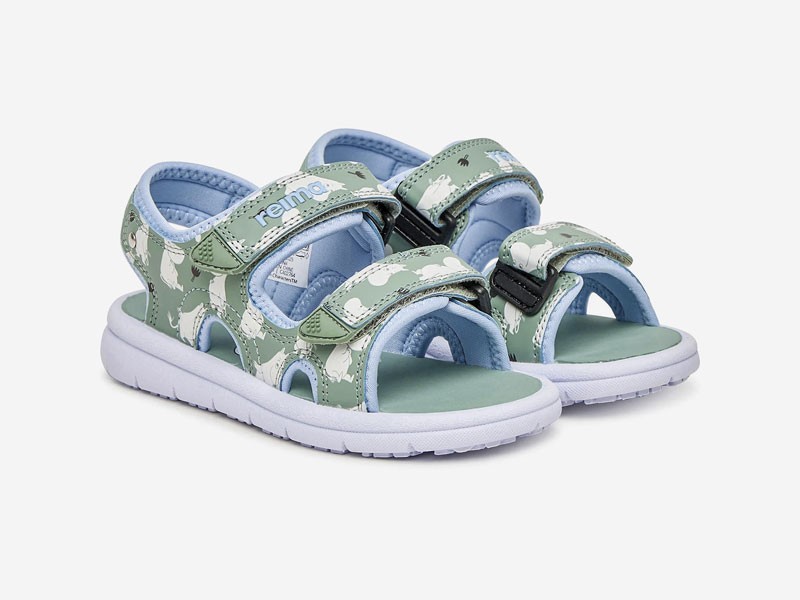
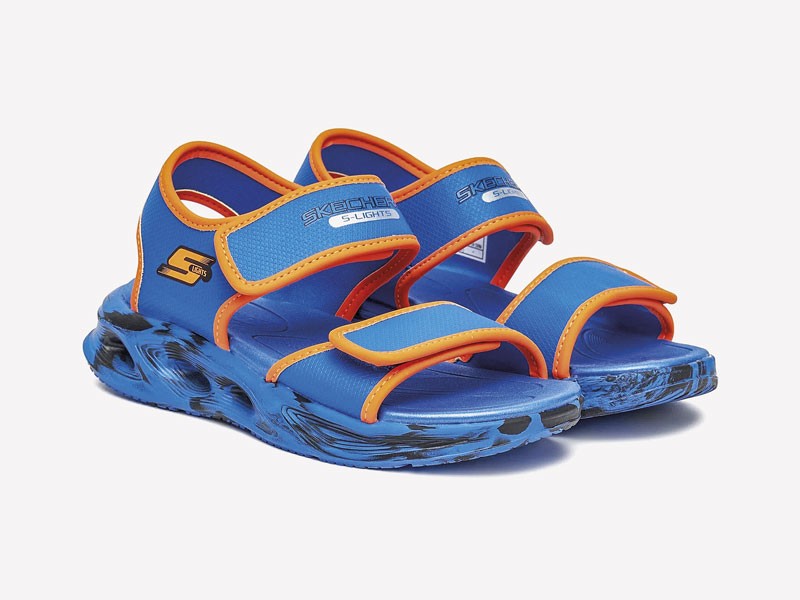
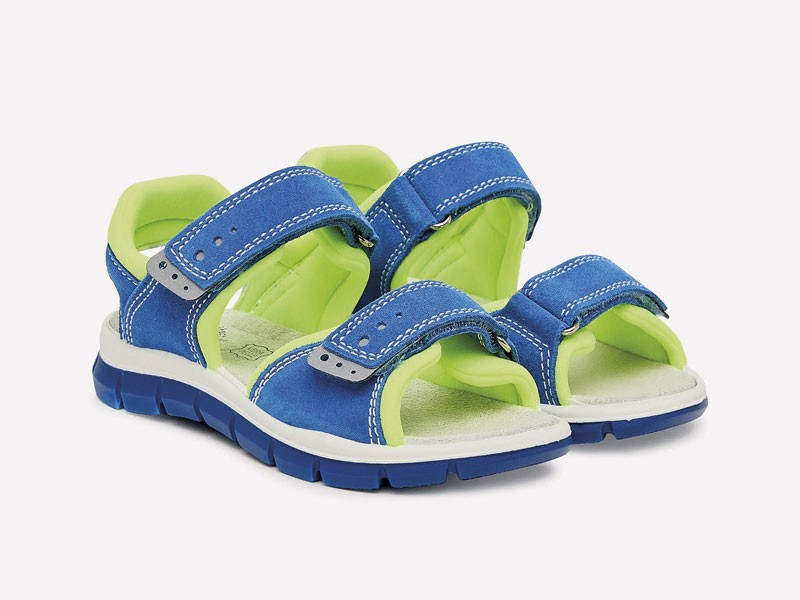
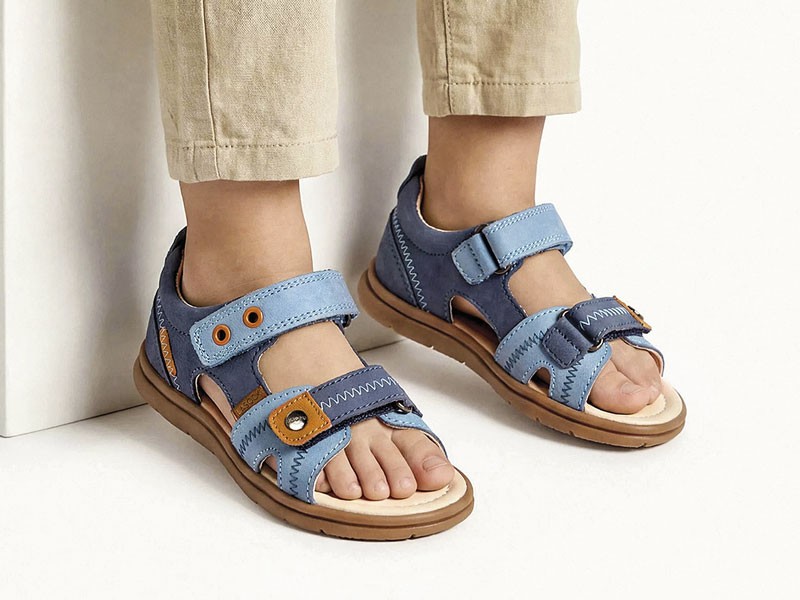
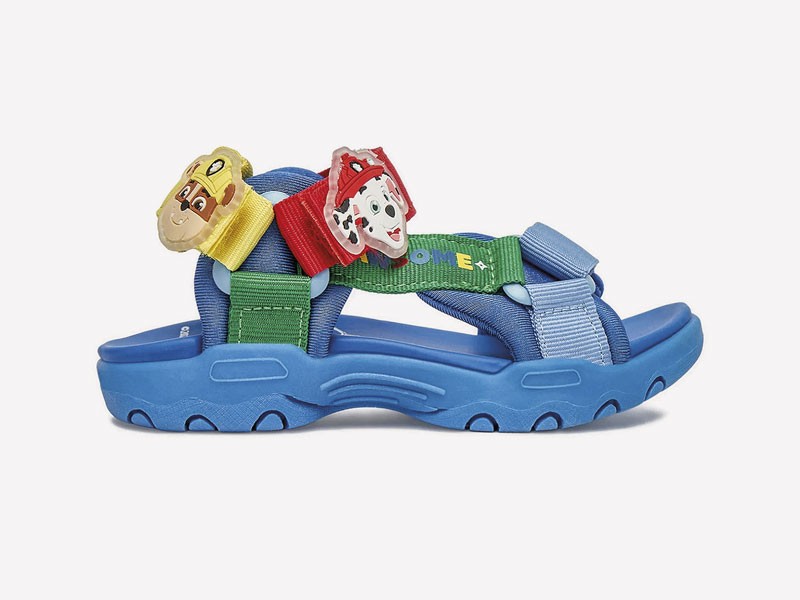
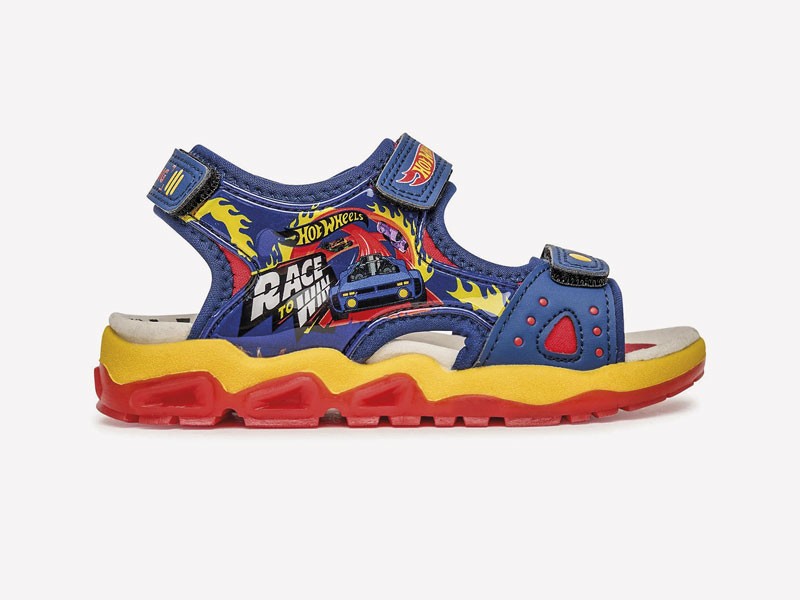
Kids’ sandals with closures appear through an assortment that alternates two visual directions. One side is built on warm and neutral shades, with off-whites, beige, caramel, soft yellow and browns, accompanied by crossed straps, floral applications, ornamental cutouts and broader frontal bands. The other side leans toward a sportier appearance, using vivid blues, lime greens, orange accents and two-tone contrasts, along with children’s graphics placed on front bands and side areas.
The distinction between both registers does not depend on color alone. It also involves the degree of openness across the upper, the presence of back straps or rear bands, the location of fastening points and the number of pieces shaping the front. Together, these variables position the assortment as a flexible category, able to move from more decorative lines to styles with a more active visual character.
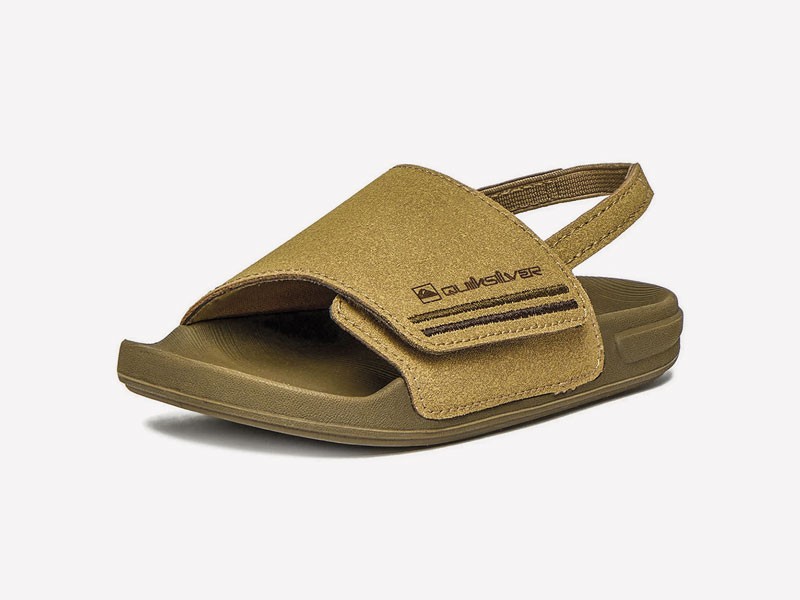
Adjustment systems play a central role. Hook-and-loop closures, visible buckles, double straps, instep bands and rear fastening pieces provide different solutions across the group. Some styles leave the foot more exposed, while others increase frontal coverage through broader pieces or multiple straps. As a whole, these resources create distinct levels of openness and visual hold.
The bottoms also alter the character of each pair. Low-profile foundations coexist with thicker-looking lines, plain soles or sidewalls with stronger visible relief, neutral-toned supports and versions where color blocks extend the contrast of the upper. This range reinforces the assortment reading: the category is not reduced to one silhouette, but organizes its variants through apparent use, visual presence and graphic language.
The Caramel, Pale Banana and Marina references condense three visible color directions: soft earths, luminous yellows and stronger blues. From that base, the proposal builds recognizable families through color combinations, decorative motifs, children’s graphics and differences in sole treatment. The result is a collection architecture in which each model retains its own identity while remaining part of the same seasonal universe.
For manufacturers and suppliers, the commercial value lies in the differentiation that can be achieved through a concise set of coordinated resources: closures, straps, buckles, bottoms, palettes and graphic details. Kids’ sandals therefore emerge as a modular development category for lines that need to vary their appearance without fully changing the product typology.
RELATED ARTICLES:
Showcase your developments through SERMA.NET, our digital catalog, and visibility actions on Instagram @serma_net and Facebook SERMA, including collaborative posts with companies from the sector.
Contact: marketing@serma.net | WhatsApp: +54 9 351 394 8656