FRINGES. Are they here to stay?

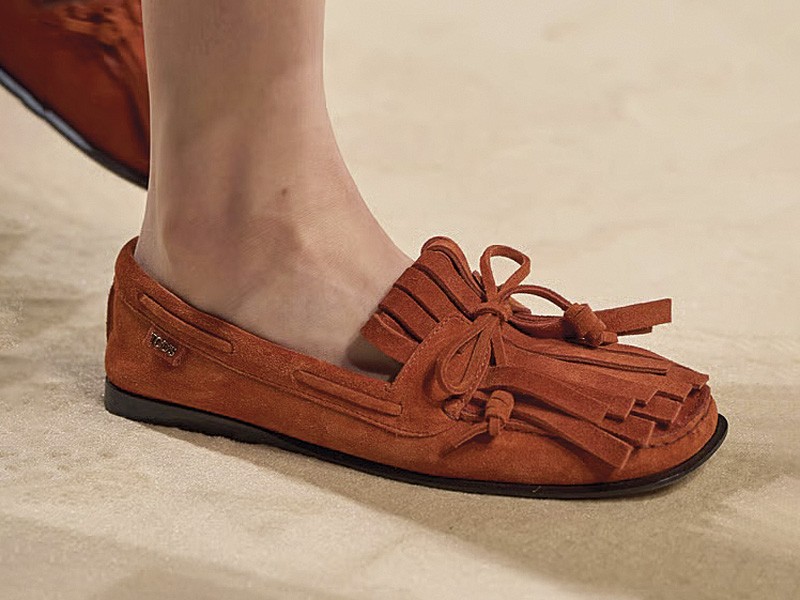
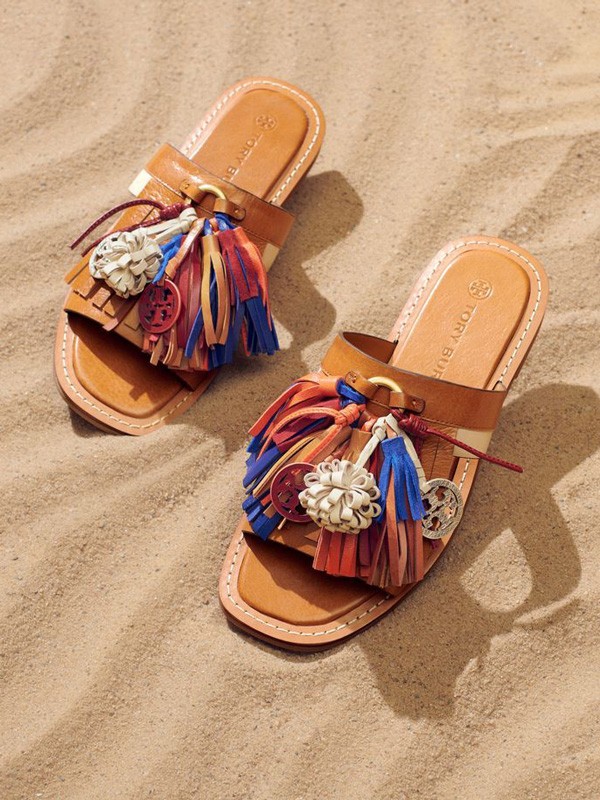
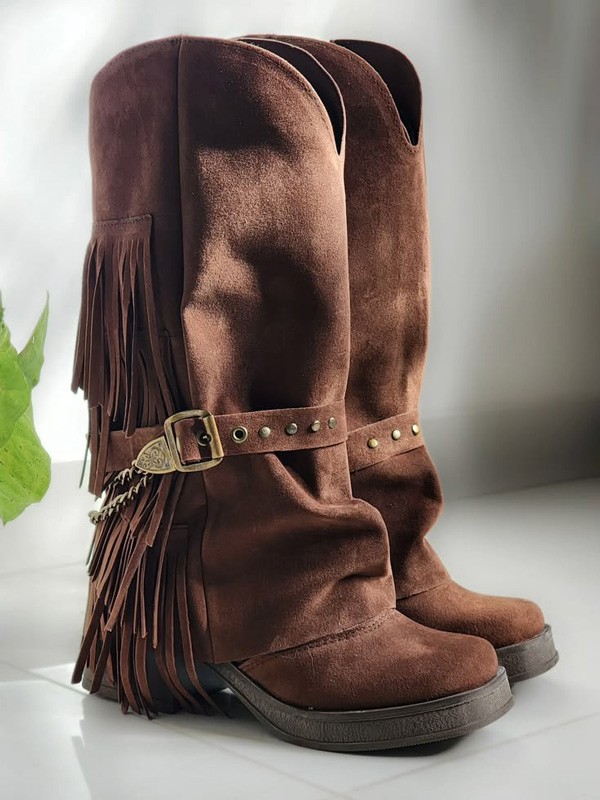
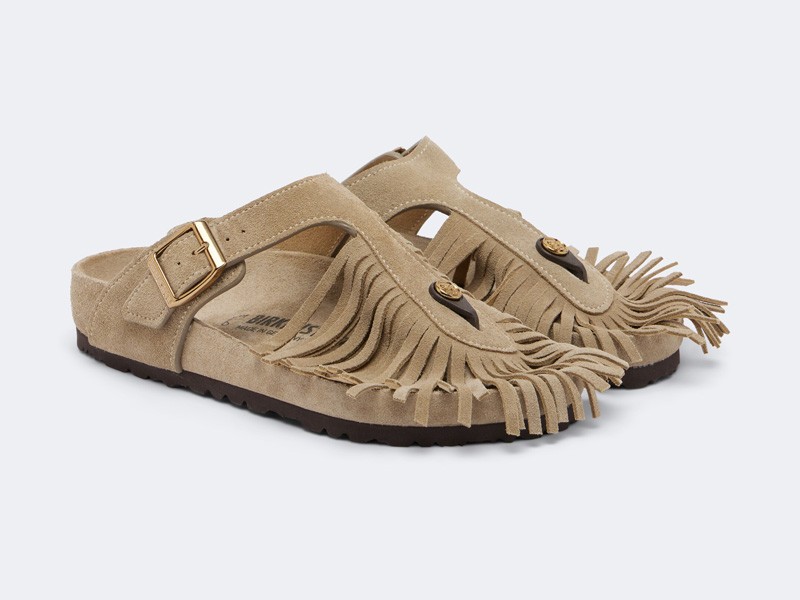
Fringes appear to be establishing themselves as a footwear design trend for both warm and cold seasons.
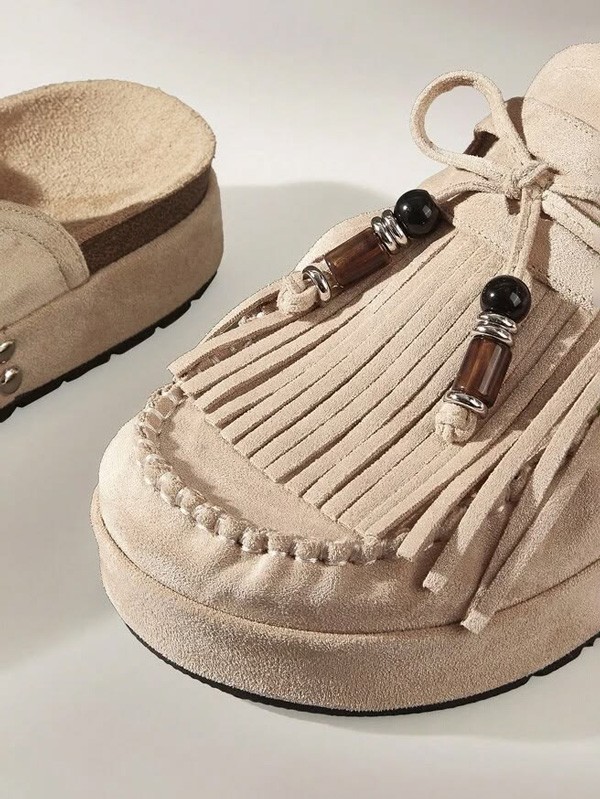
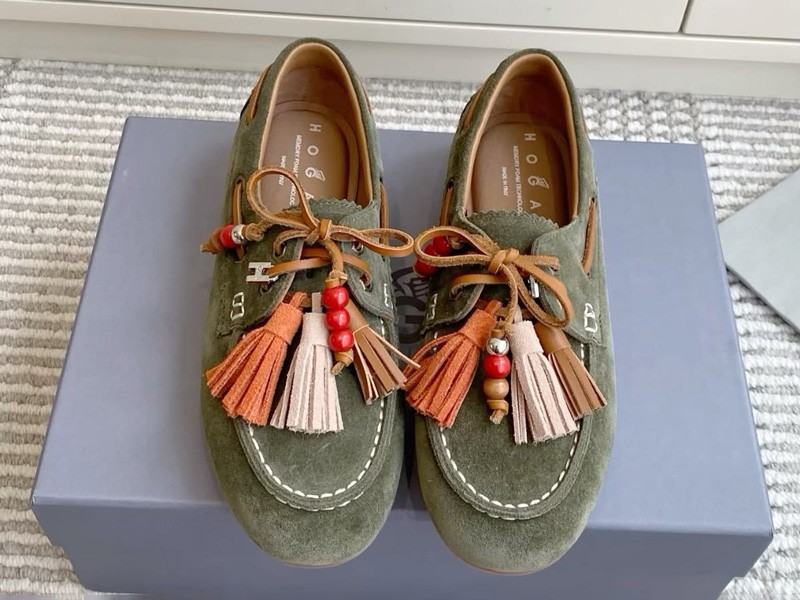
From flat strips to tassels, fringes give designs a distinctive identity and, above all, add visual dynamism, drawing attention to the natural movement of the foot while walking.
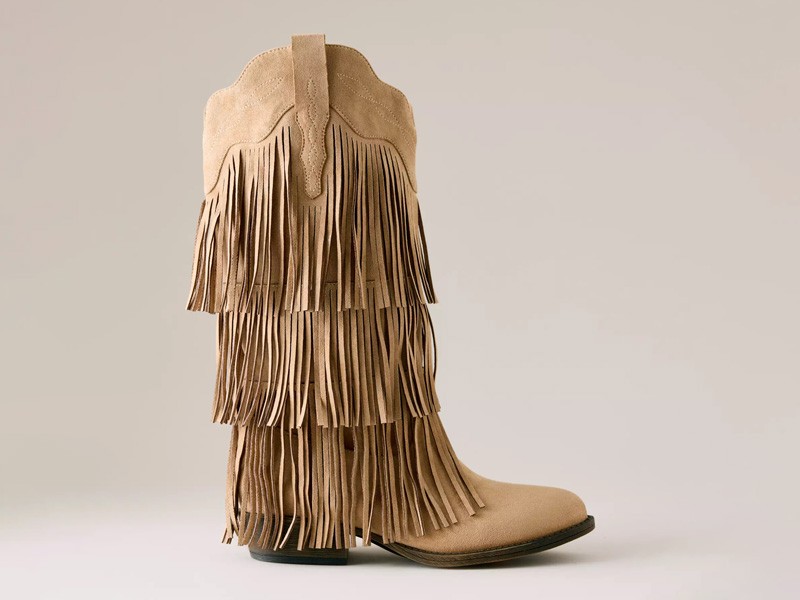
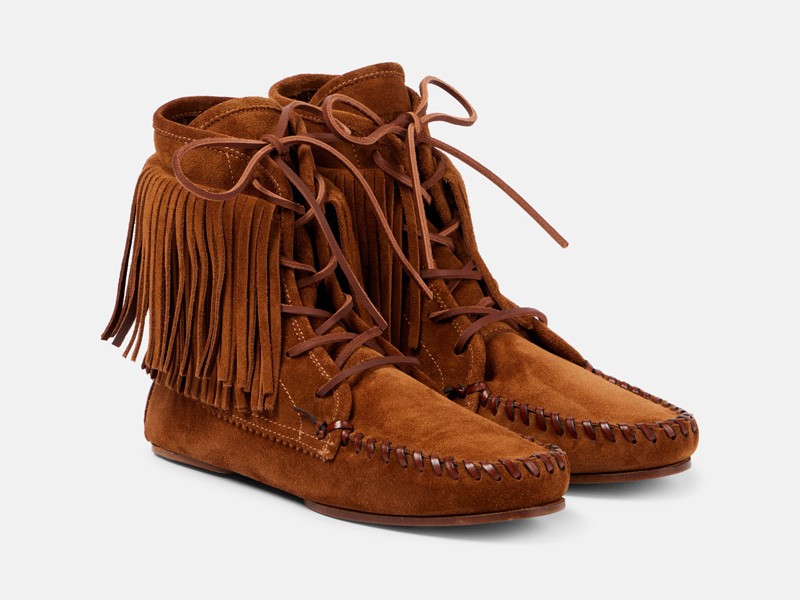
They are used on slides, sandals, mules, moccasins, lace-up shoes, boots, booties and sneakers.
One of their functions is to break up the monotony of smooth leather, suede or synthetic surfaces, adding texture, depth and shadows without substantially increasing the weight of the footwear. When incorporated into the shafts of boots or lace-up boots, they immediately evoke the clothing worn in North America, with a Western aesthetic. In Boho-Chic and Folk styles, they are associated with craftsmanship, a free-spirited attitude and 1970s aesthetics. In traditional footwear, such as moccasins, lace-up shoes, slack-style shoes and golf shoes, they add classic elegance, distinction, understated style and a handcrafted finish.
FUN FACT: Among Indigenous peoples of North America, fringes on moccasins made from tanned hides served as a physical conduit. When the footwear became wet, water flowed along the leather strips and dripped away from the foot, helping the material dry faster and preventing the hide from absorbing excessive moisture.
RELATED ARTICLE:
- What is the origin of the gathered seam in moccasins?
Participate with your content in SERMA.NET and in our printed edition.
It is the opportunity to reach your customers!
Write us! marketing@serma.net