ANIMAL PRINT: Why is zebra overtaking leopard?

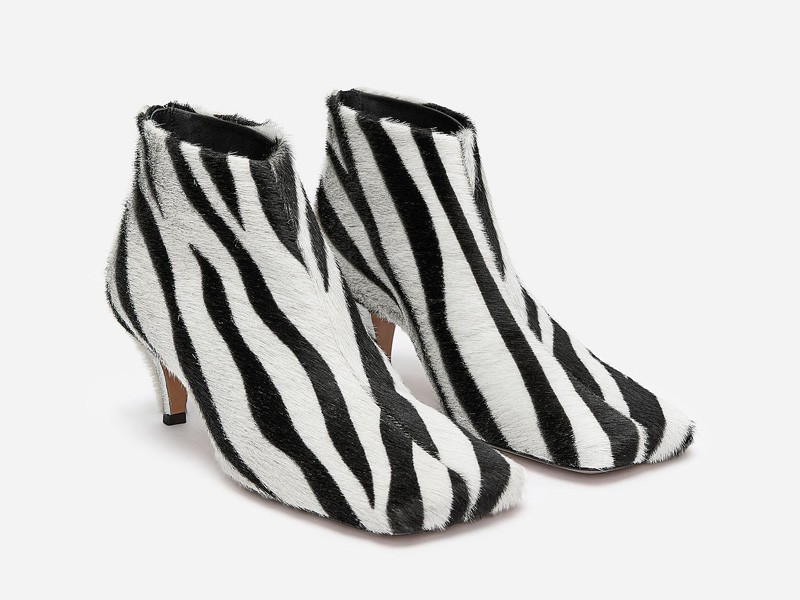
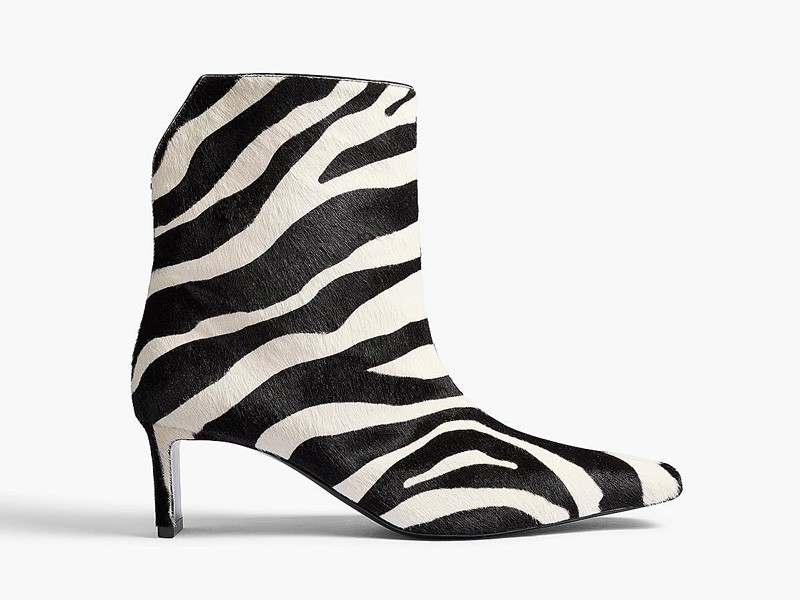
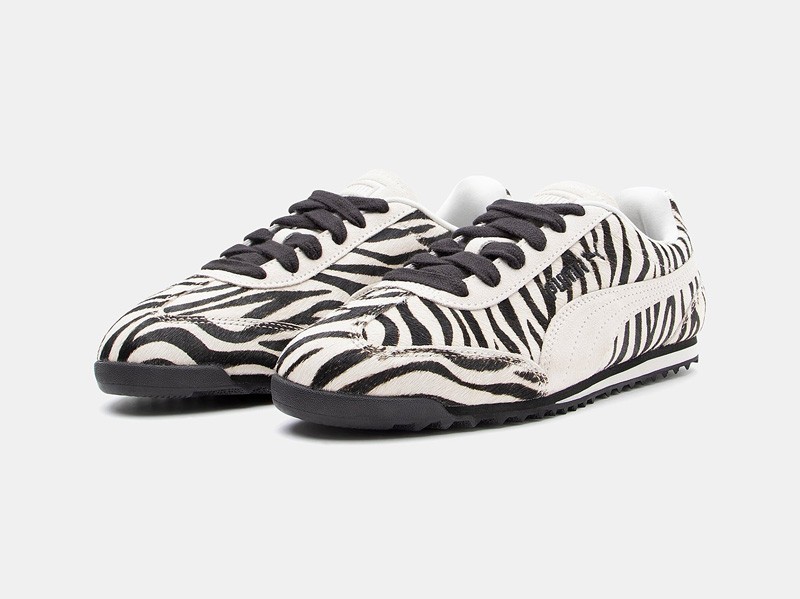
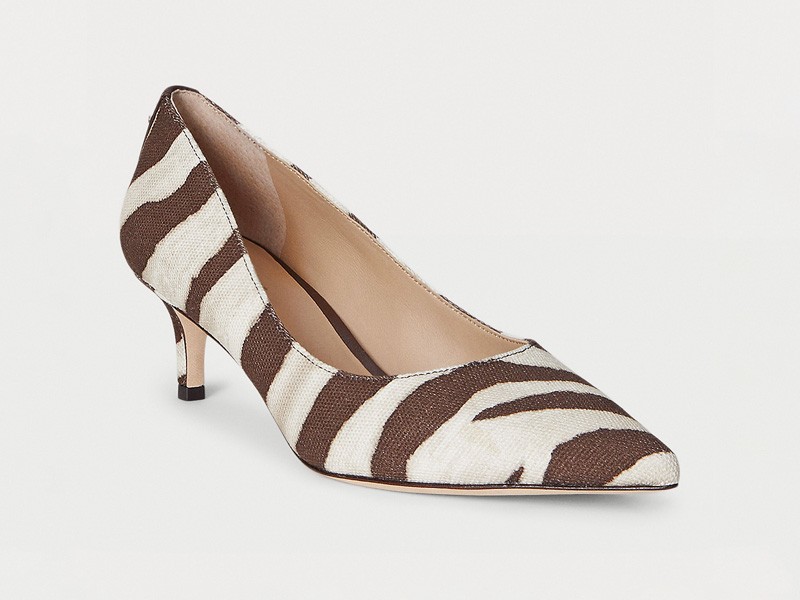
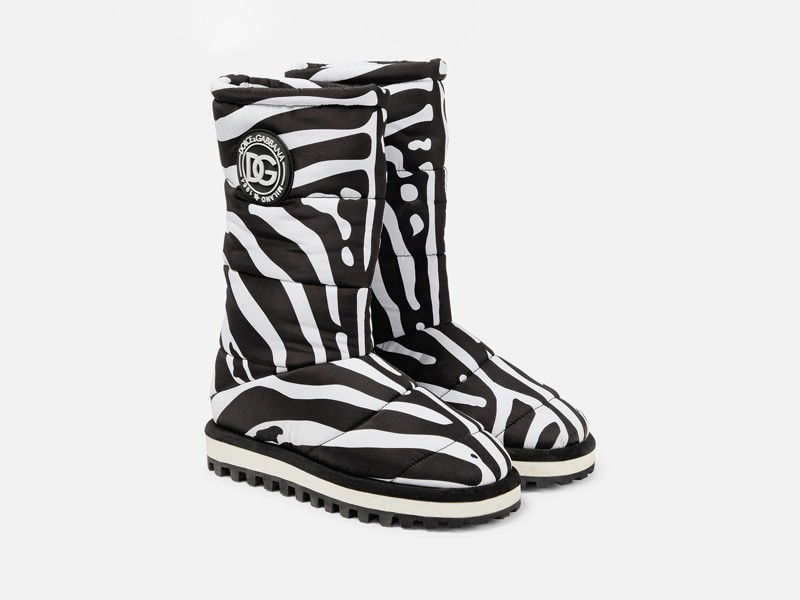
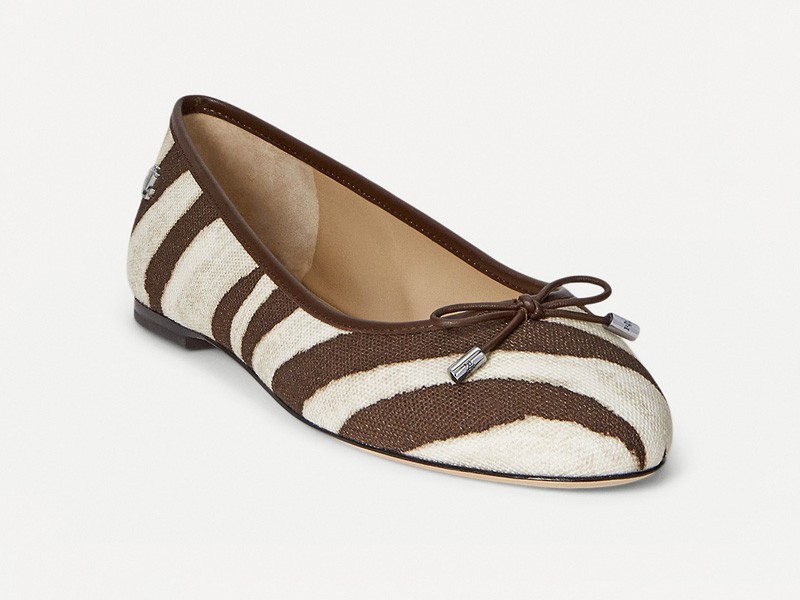
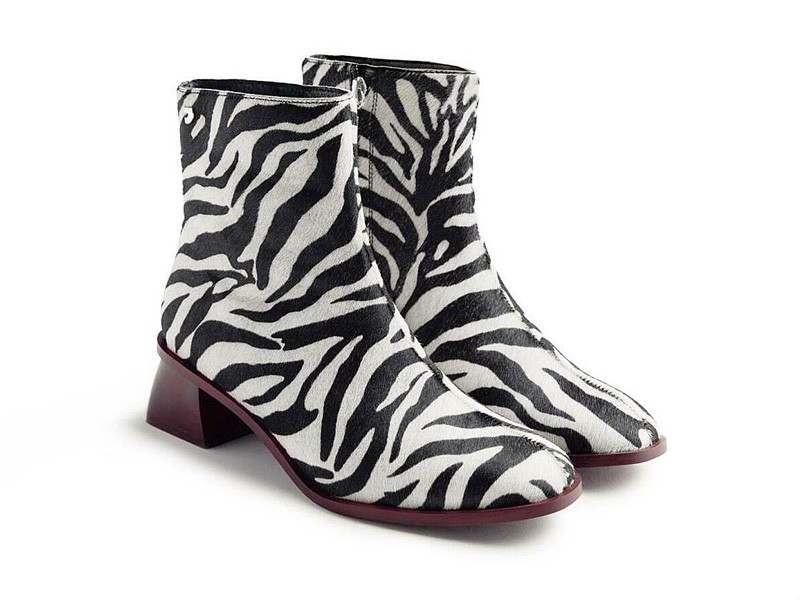
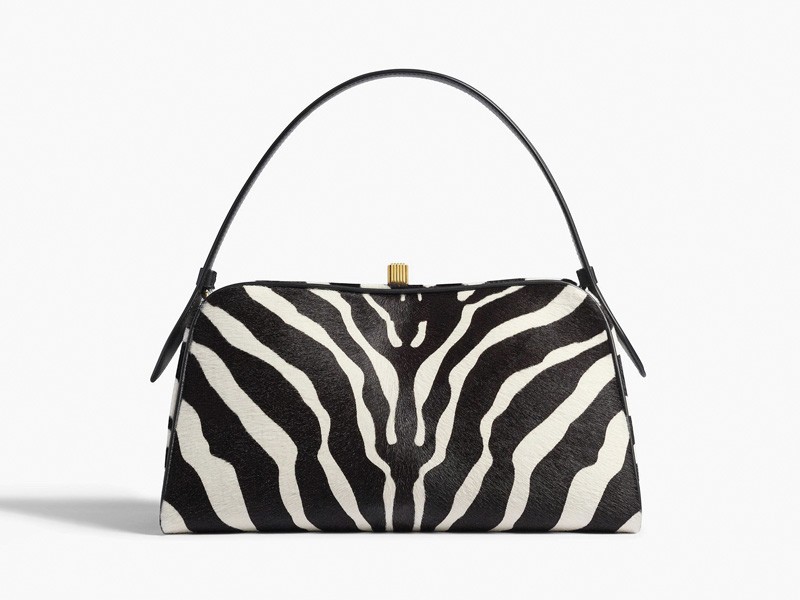
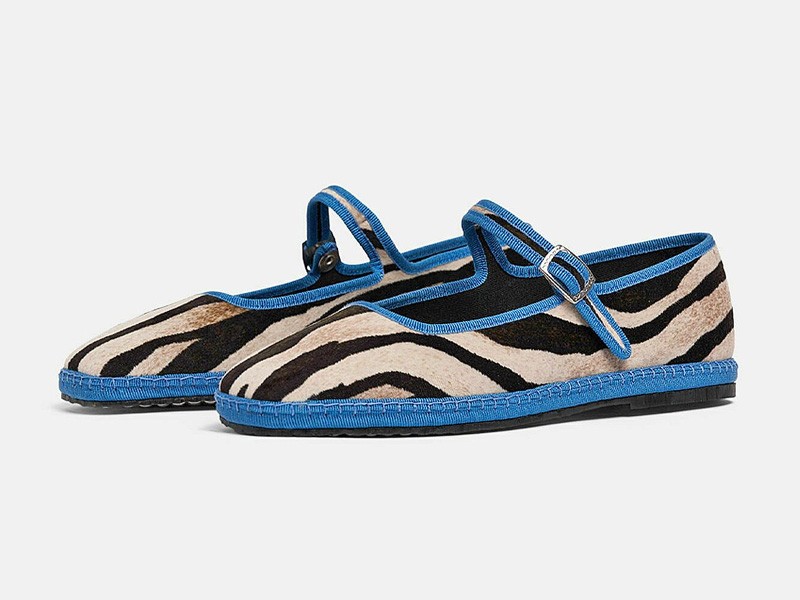
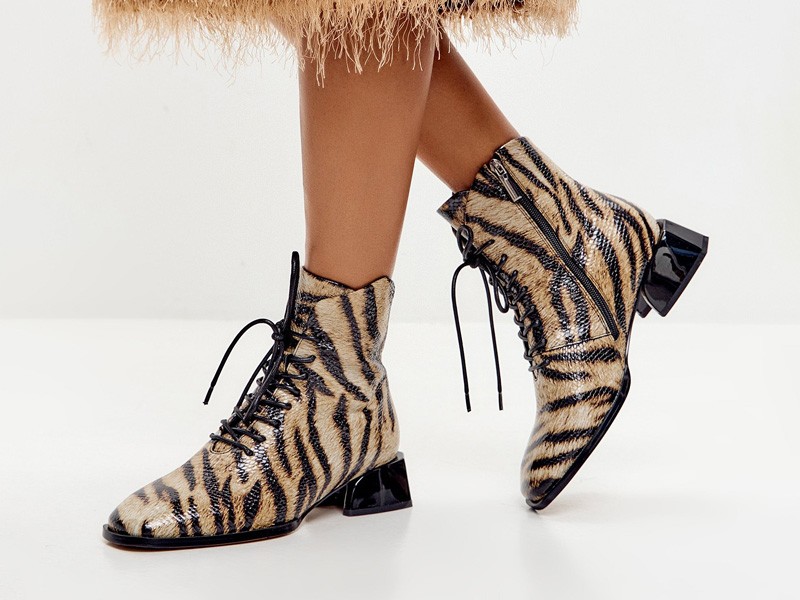
While leopard has been considered the “eternal king” of maximalism, the zebra print has recently taken the lead in footwear fashion due to its modern aesthetic and psychological versatility.
Among the main reasons, the following can be highlighted:
1. Chromatic minimalism
Unlike leopard or jaguar prints, which usually combine earthy tones, ochres and blacks, zebra is limited to black and white.
Combinability: In a modern wardrobe dominated by neutral colors, zebra footwear functions almost like a solid color.
“Pop” effect: It allows texture to be added without introducing new colors that may clash with the rest of the outfit.
2. Geometry versus organic forms
Zebra print is essentially a series of lines, which gives it an advantage over spotted patterns:Graphic aesthetic: Lines appear more architectural and “clean”, fitting better with footwear trends such as chunky soles or fine-strap sandals.
Slimming effect: The diagonal lines of the zebra pattern tend to be more visually flattering on curved surfaces such as the instep or the heel.3. Leopard saturation
Fashion is cyclical and moves by reaction. Leopard has been so present in recent years -especially within the “Mob Wife” trend or vintage-inspired styles- that the market has reached a point of saturation. Zebra emerges as a fresh alternative: it remains an animal print, but feels less “traditional” and more avant-garde.
4. The influence of “Quiet Luxury” and streetwear
Even within more understated styles, zebra has found its place.
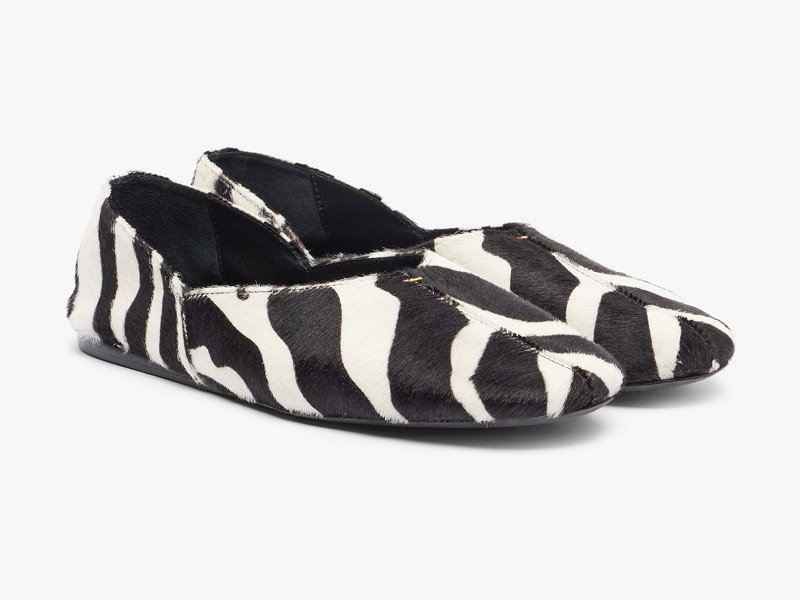
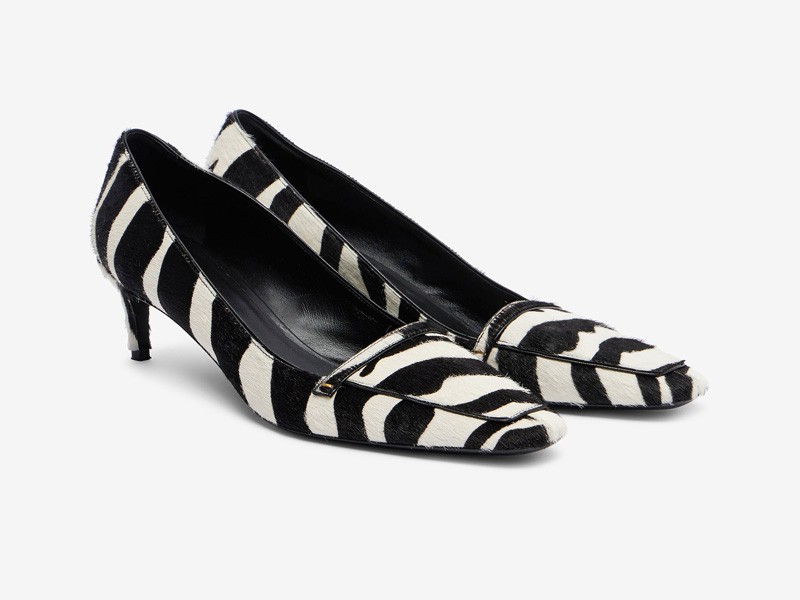
Texture over color: Many luxury brands have launched zebra footwear where the focus is on the hair texture (calf hair) rather than the pattern itself.
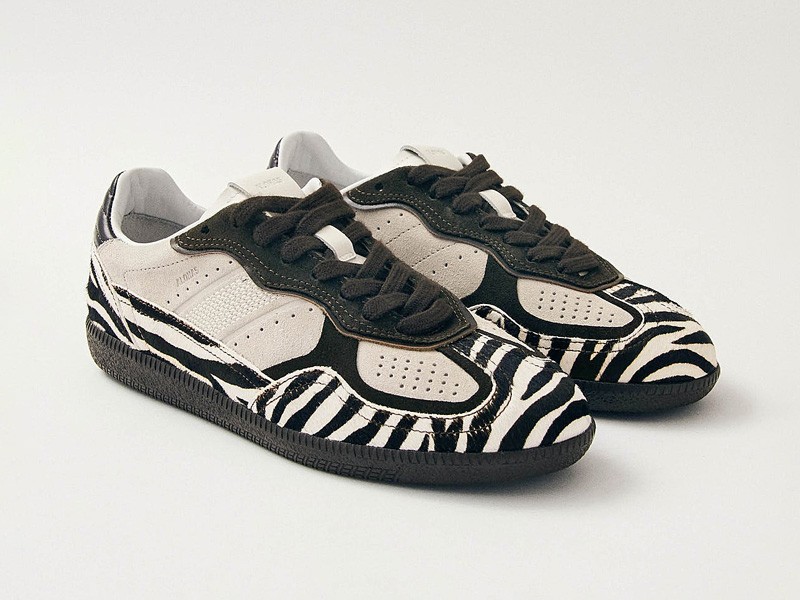
Gender versatility: Zebra print has gained much stronger traction in menswear footwear -particularly sneakers and loafers- than leopard, which sometimes carries more rigid gender-related connotations.
RELATED ARTICLE:
- Goodbye leopard, hello zebra! The animal print that’s redefining footwear fashion